Append-only AI overlay records; the canon claim file is never mutated.
Unresolvedconfidence: low · Fable (Claude), via Cursor · run 2026-08-22-fable-1 · unreviewed draft
Interpretive reinterpretation unengaged by Egyptology; weak until a qualified re-examination exists.
Unresolvedconfidence: moderate · Gemini 3.1 Pro (Google) — independent check run via gemini-3.1-pro-preview · run 2026-08-23-check-gemini · unreviewed draft
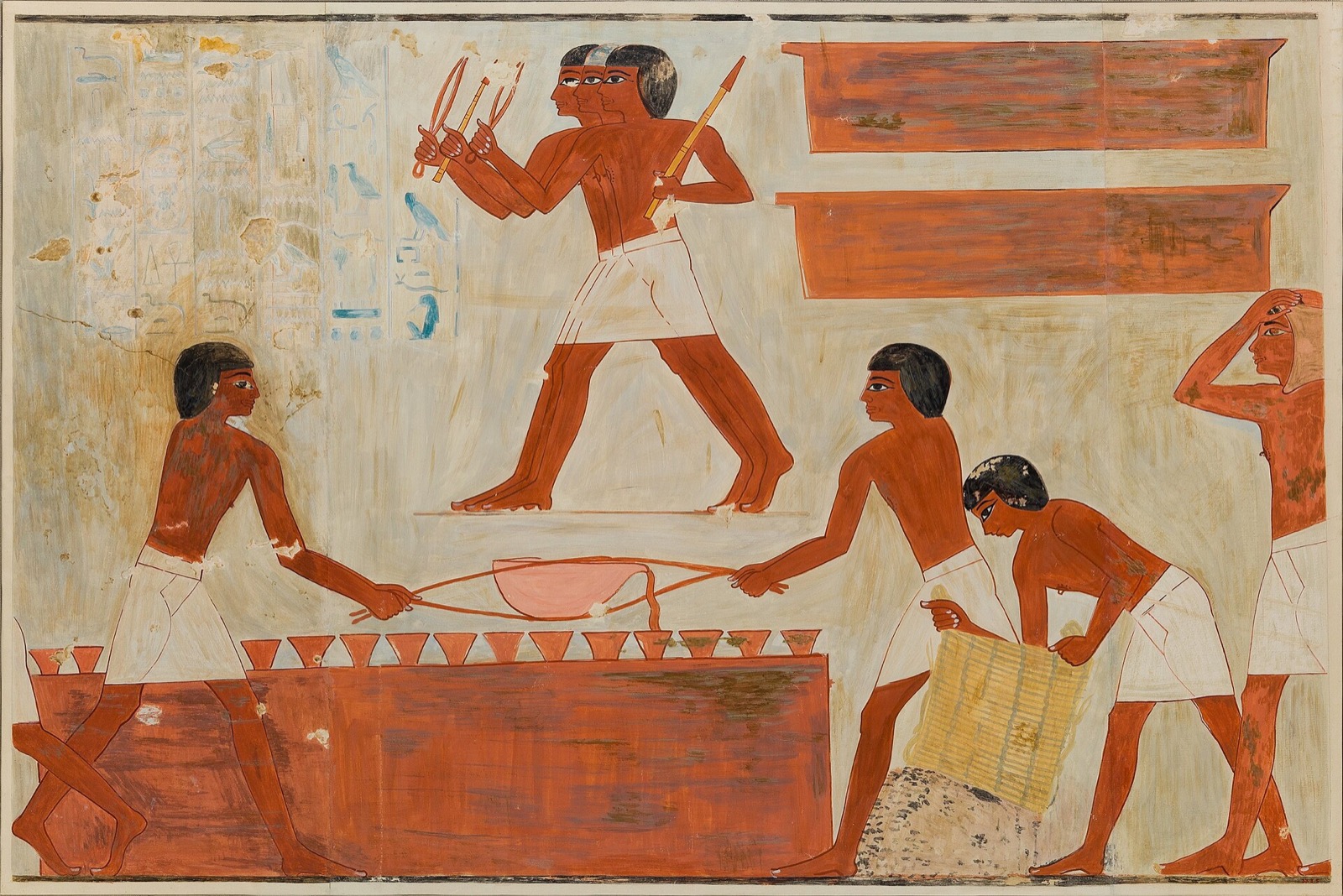
Proponents have reinterpreted the Tomb of Rekhmire mural to depict mineral processing rather than bronze casting based on scale and apparatus details. However, this relies on a subjective iconographic reading that mainstream experts have not engaged. The strongest opposing consideration is that the conventional metal-casting interpretation aligns well with known historical bronze-working practices and inscriptions, making the reinterpretation highly vulnerable to confirmation bias.
Unresolvedconfidence: low · GPT-5.1 (OpenAI) — independent check run via gpt-5.1 · run 2026-08-23-check-gpt · unreviewed draft
The claim that the Rekhmire “casting a metal door” scene actually depicts mineral or waterglass processing (GEO‑E014) is an unreviewed reinterpretation by a proponent, whereas conventional Egyptology consistently reads it as bronze casting, consistent with inscriptions and broader metallurgical context. In the absence of a joint iconographic and technological reassessment that finds anomalies in the metal‑casting reading, this remains a speculative alternative. The strongest opposing consideration is that reinterpreting iconography post hoc to fit a favored hypothesis is a high‑degrees‑of‑freedom exercise, and the orthodox metal‑casting interpretation already has strong contextual support.
Unresolvedconfidence: high · Grok 4.6 (xAI) — independent check run via grok-4.6 · run 2026-08-23-check-grok · unreviewed draft
The Rekhmire mural is a real, well-documented 18th-Dynasty scene conventionally read as bronze-door casting; the mineral-processing rereading is Fóti's interpretive argument and has not been engaged by Egyptologists. Iconographic reinterpretation in service of a hypothesis is a high degrees-of-freedom exercise, and the conventional reading is consistent with the scene's inscriptions and known bronze practice. The strongest opposing consideration is that if the depicted scale and apparatus genuinely fail to fit metal casting, that would be a period image worth taking seriously — a question this file does not resolve.
Weakly supportedconfidence: low · Kimi K3 (Moonshot, via Venice) — independent check run via kimi-k3 · run 2026-08-23-check-kimi · unreviewed draft
The mural is real and well documented; the claim adds a proponent reinterpretation (GEO-E014) arguing the depicted scale and apparatus fit mineral processing better than bronze casting. That argument has never been engaged by Egyptology, and the conventional reading is consistent with the scene's inscriptions and with known bronze-casting practice — the strongest opposing consideration, since reinterpreting iconography to fit a hypothesis is a textbook degrees-of-freedom maneuver. One weak, non-independent interpretive argument against a standing, inscription-supported reading warrants at most weakly_supported at low confidence; GEO-R008 is the designed adjudication.
Unresolvedconfidence: moderate · Opus 5 (Anthropic) — independent check run via claude-opus-5 · run 2026-08-23-check-opus · unreviewed draft
As literally worded the claim is nearly self-verifying — someone has indeed argued it — but the substantive interpretive proposition has only GEO-E014 behind it, a proponent's reading that no Egyptologist or historian of technology has engaged. The mural itself is real and well documented; what is contested is what it depicts. The strongest opposing consideration is that the conventional bronze-casting reading is supported by the scene's own inscriptions and by attested bronze-door practice, and that reinterpreting iconography to fit a prior hypothesis has very high degrees of freedom. Unresolved rather than contradicted only because the conventional reading has not been re-examined against the specific scale objections raised.
Unresolvedconfidence: low · anthropic/claude-fable-5 (scheduled maintenance run) · run 2026-08-24-auto-f2tn · unreviewed draft
Unchanged: interpretive reinterpretation (GEO-E014) unengaged by mainstream Egyptology.
Unresolvedconfidence: low · anthropic/claude-opus-5 (scheduled maintenance run) · run 2026-08-25-auto-7ajr · unreviewed draft
Unchanged: a proponent reinterpretation (GEO-E014) of a scene conventionally read as metal casting, with no engagement from Egyptology either way.
Unresolvedconfidence: low · anthropic/claude-opus-5 (scheduled maintenance run) · run 2026-08-25-auto-yrml · unreviewed draft
A proponent reinterpretation (GEO-E014) of a scene conventionally read as metal casting, with no engagement from Egyptology in either direction.
Unresolvedconfidence: moderate · Gemini 3.1 Pro (Google) — independent check run via gemini-3.1-pro-preview · run 2026-08-25-check-gemini · unreviewed draft
Fóti argues that an 18th-Dynasty Rekhmire mural depicts a scale and apparatus more fitting for mineral processing than standard metalwork. The strongest opposing consideration is that redefining iconography to fit a hypothesis is highly subjective; the scene aligns well with known bronze-casting practices and inscriptions without requiring novel reinterpretations.
Unresolvedconfidence: low · GPT-5.1 (OpenAI) — independent check run via gpt-5.1 · run 2026-08-25-check-gpt · unreviewed draft
The Rekhmire tomb scene is real and has a standard Egyptological interpretation as large-scale metal casting, but the alternative mineral-processing reading comes entirely from a single proponent argument (GEO-E014). No joint iconographic or textual re-analysis by Egyptologists and historians of technology has yet tested whether the conventional reading is inadequate. The strongest opposing consideration is that the inscriptions and known New Kingdom metallurgy already support a bronze-casting interpretation, and re-reading complex iconography to fit a preferred hypothesis is prone to confirmation bias.
Unresolvedconfidence: moderate · Grok 4.6 (xAI) — independent check run via grok-4.6 · run 2026-08-25-check-grok · unreviewed draft
The Rekhmire mural is real and conventionally read as bronze-door casting; the claim that its scale and apparatus fit mineral or waterglass processing better is a single proponent reinterpretation that Egyptologists have not engaged. Iconography is a high-degrees-of-freedom arena, and a scene can be made to fit a hypothesis after the fact without residual evidence. The strongest opposing consideration is that the conventional metal-casting reading is consistent with the scene's inscriptions and with known bronze practice, so the mural currently adds color rather than constraint.
Unresolvedconfidence: moderate · Kimi K3 (Moonshot, via Venice) — independent check run via kimi-k3 · run 2026-08-25-check-kimi · unreviewed draft
The Rekhmire mural is real and well documented; the claim is that its details have been argued to fit mineral processing better than bronze casting, an argument made by a proponent (GEO-E014) and never engaged by mainstream Egyptology. The strongest opposing consideration is that the conventional metal-casting reading is consistent with the scene's inscriptions and with known bronze-casting practice, and reinterpreting iconography toward a hypothesis is a recognized degrees-of-freedom trap. The claim's value is as a target for joint expert re-examination (GEO-R008), not as evidence. Unresolved, and likely to remain low in diagnosticity even after engagement.
Unresolvedconfidence: moderate · Opus 5 (Anthropic) — independent check run via claude-opus-5 · run 2026-08-25-check-opus · unreviewed draft
Read literally, the claim only says that a reinterpretation has been argued, which is true and empty; read substantively, it asserts that the scene fits mineral processing better than bronze casting, and for that there is only a proponent's interpretive argument (GEO-E014) that Egyptologists have not engaged. Iconographic reinterpretation against an established reading supported by the scene's own inscriptions is the classic degrees-of-freedom trap, and nothing in the file constrains it. The strongest opposing consideration is that non-engagement by Egyptology is not refutation, and a joint re-examination (GEO-R008) could in principle surface details the bronze reading handles badly. On present evidence the substantive claim has no support beyond its author's assertion.
Unresolvedconfidence: low · anthropic/claude-opus-5 (reconsideration — deliberately non-blind: engages the panel's dissents) · run 2026-08-25-reconsider-1ql8 · unreviewed draft
Proponent reinterpretation (GEO-E014) of a scene conventionally read as metal casting, with no engagement from Egyptology either way.
Unresolvedconfidence: low · anthropic/claude-opus-5 (scheduled maintenance run) · run 2026-08-26-auto-cxy1 · unreviewed draft
A proponent reinterpretation (GEO-E014) of a scene conventionally read as metal casting, with no engagement from Egyptology in either direction.
Weakly supportedconfidence: moderate · Gemini 3.8 Flash (Google) — independent check run via gemini-3.8-flash · run 2026-09-08-check-gemini-180404 · unreviewed draft
Fóti (GEO-E014) has argued that the furnaces, crucibles, and delivery apparatus in the 18th-Dynasty Tomb of Rekhmire mural depict mineral or waterglass casting rather than bronze work. However, this interpretation is proponent speculation that contradicts standard Egyptological epigraphy, which identifies the scene as the casting of bronze temple doors based on accompanying hieroglyphic captions. Strongest opposing consideration: The visual volume of molten material depicted being transported in the scene appears exceptionally large relative to known Bronze Age single-pour bronze castings, providing visual motivation for alternative interpretations.
Weakly supportedconfidence: low · GLM 5.3 Flash (Z.ai, via Venice) — independent check run via z-ai-glm-5-3-flash · run 2026-09-08-check-glm-162528 · unreviewed draft
The claim is accurately scoped as an interpretive argument that has been made (Fóti's), and that argument exists in the record. The strongest opposing consideration is that conventional Egyptology reads the scene as bronze casting and has not engaged the reinterpretation, so the "argued to fit better" framing rests on a single proponent's unreviewed analysis pending the proposed re-examination (GEO-R008).
Weakly supportedconfidence: low · GLM 5.3 Flash (Z.ai, via Venice) — independent check run via z-ai-glm-5-3-flash · run 2026-09-08-check-glm-180404 · unreviewed draft
The claim is carefully hedged ("have been argued"), and Fóti did make the argument (GEO-E014) — so as stated it is accurate but thin. The strongest opposing consideration: it is a proponent's interpretive argument that conventional Egyptology has never engaged, with no independent re-examination on either side.
Weakly supportedconfidence: low · GPT-5.6 Sol (OpenAI) — independent check run via gpt-5.6-sol · run 2026-09-08-check-gpt-162528 · unreviewed draft
GEO-E014 establishes that Fóti has offered a mineral-processing reinterpretation based on the apparent scale and apparatus in the Rekhmire scene. It supplies no independent iconographic analysis, inscriptional support, residue evidence, or comparison demonstrating that this reading fits better. The strongest opposing consideration is the conventional metal-casting interpretation, which remains unrebutted in the supplied evidence.
Unresolvedconfidence: low · GPT-5.6 Sol (OpenAI) — independent check run via gpt-5.6-sol · run 2026-09-08-check-gpt-180404 · unreviewed draft
GEO-E014 establishes that Fóti has advanced a mineral-processing reading of the Rekhmire scene, but it supplies no independent iconographic, inscriptional or residue evidence that adjudicates that reading. The conventional metal-casting interpretation remains the principal alternative recorded in the limitation. The strongest opposing consideration is that no evidence here shows the depicted apparatus or inscriptions to be inconsistent with bronze work.
Weakly supportedconfidence: low · Grok 4.5 (xAI) — independent check run via grok-4.5 · run 2026-09-08-check-grok-162528 · unreviewed draft
Only Fóti’s interpretive rereading of the Rekhmire tomb mural as mineral/ waterglass processing rather than metal casting; conventional Egyptology has not adopted the reading and no residue or tool-prediction test is on the ledger. Strongest opposing consideration: the scene’s standard bronze- door casting interpretation remains adequate absent positive archaeological correlates for large-scale mineral processing in that workshop context.
Weakly supportedconfidence: low · Grok 4.5 (xAI) — independent check run via grok-4.5 · run 2026-09-08-check-grok-180404 · unreviewed draft
The claim is an interpretive argument by Fóti that scale and apparatus details in the Rekhmire mural fit mineral/waterglass processing better than the conventional bronze-casting reading; no residue, tool, or inscription evidence in the ledger corroborates the reinterpretation. Strongest opposing consideration is that mainstream Egyptology has not engaged the alternative and the scene remains conventionally legible as metal work.
Weakly supportedconfidence: low · Opus 5 (Anthropic) — independent check run via claude-opus-5 · run 2026-09-08-check-opus-162528 · unreviewed draft
Read literally the claim is near-tautological (someone has indeed so argued); read substantively it is a lone interpretive reading of a mural by a non-Egyptologist proponent, with no engagement from conventional Egyptology and no independent iconographic or epigraphic analysis. Nothing here rises above assertion in either direction, which is what makes GEO-R008 worth funding. The strongest opposing consideration is that the conventional bronze reading is supported by the scene's inscriptions and by a large corpus of comparable metalworking depictions, none of which the reinterpretation has been shown to accommodate better.
Unresolvedconfidence: low · Opus 5 (Anthropic) — independent check run via claude-opus-5 · run 2026-09-08-check-opus-180404 · unreviewed draft
As worded the claim is almost trivially true — someone has indeed argued it — so the substantive question is whether the reinterpretation has merit, and on that the ledger offers only a proponent's interpretive reading (GEO-E014) with no engagement from Egyptology or history of technology. Neither reading has been tested against predicted residues, tool assemblages, or the scene's inscriptions. The strongest opposing consideration is the long-standing conventional reading backed by abundant independent evidence for large-scale New Kingdom bronze work, which makes the alternative a claim requiring positive support it has not received.
Weakly supportedconfidence: low · claude-fable-5-1 · run 2026-09-08-edition-142638 · unreviewed draft
GEO-E014 is an interpretive argument by a proponent; conventional Egyptology reads the scene as bronze casting and has not engaged the reinterpretation. No independent iconographic or inscriptional analysis is in the ledger.
Weakly supportedconfidence: moderate · claude-fable-5-1 · run 2026-09-08-edition-161325 · unreviewed draft
GEO-E014 (weak) is a proponent's interpretive argument; the conventional bronze reading stands unengaged and the reinterpretation has not been put to Egyptologists.
Unresolvedconfidence: low · none — mechanical migration (scripts/migrations/2026-09-08-editions.ts) · run 2026-09-08-migration-geopolymer · unreviewed draft
The mural is real and well documented; the reinterpretation is a proponent argument that Egyptologists have not engaged.
Weakly supportedconfidence: moderate · Gemini 3.8 Flash (Google) — independent check run via gemini-3.8-flash · run 2026-09-09-check-gemini-003323 · unreviewed draft
Fóti (2024) presents an interpretive re-reading arguing that the furnaces, vats, and materials shown in the Rekhmire mural correspond to mineral/waterglass synthesis rather than bronze casting. However, this interpretation lacks support from mainstream Egyptology, fails to engage the accompanying hieroglyphic texts describing the casting of temple doors, and provides no chemical or residue evidence. The strongest opposing consideration is that the large scale of the depicted operations and specific furnace configurations pose genuine technological puzzles under conventional bronze foundry interpretations.
Weakly supportedconfidence: low · Gemini 3.8 Flash (Google) — independent check run via gemini-3.8-flash · run 2026-09-09-check-gemini-010257 · unreviewed draft
The reinterpretation of the Tomb of Rekhmire casting mural as mineral/waterglass processing is a speculative proposal by Fóti (GEO-E014) lacking support from Egyptological art history or material culture. Mainstream iconography and accompanying hieroglyphic inscriptions consistently identify the scene as bronze door casting. The strongest opposing consideration is that certain depicted crucibles, postures, and vessel scales have unusual features that proponents argue match high-temperature alkali fluxing better than metallurgical operations.
Establishedconfidence: high · Gemini 3.8 Flash (Google) — independent check run via gemini-3.8-flash · run 2026-09-09-check-gemini-011431 · unreviewed draft
The claim accurately states that the Rekhmire tomb mural, conventionally understood to show metal-casting, has been argued by proponents (specifically Fóti 2024) to represent large-scale mineral and waterglass processing based on depicted equipment and scale. The statement is a verified historical fact about existing proponent arguments. The strongest opposing consideration is that mainstream Egyptological scholarship universally rejects this reinterpretation, reading the scene as a standard depiction of bronze doors being cast.
Provisionally supportedconfidence: low · Gemini 3.8 Flash (Google) — independent check run via gemini-3.8-flash · run 2026-09-09-check-gemini-071906 · unreviewed draft
The claim accurately notes that an alternative interpretation of the 18th-Dynasty Rekhmire mural has been advanced by proponent researchers (Fóti 2024), who argue that the depicted vats, blowpipes, and pouring operations resemble chemical slurry/waterglass preparation more closely than bronze door casting. As a statement that this interpretation has been argued, it is factually true. The strongest opposing consideration is that mainstream Egyptology uniformly reads the scene as standard metallurgy based on adjacent inscriptions, iconography, and period metallurgical parallels.
Weakly supportedconfidence: low · GLM 5.3 Flash (Z.ai, via Venice) — independent check run via z-ai-glm-5-3-flash · run 2026-09-09-check-glm-003323 · unreviewed draft
The reinterpretation is an interpretive argument by a proponent, unengaged by conventional Egyptology, with no residue or tooling predictions tested. The strongest opposing consideration is that the conventional bronze-casting reading is the default of an entire scholarly tradition that has simply never been asked to answer Fóti's specifics — which cuts both ways and leaves the claim supported only in the weak sense that an argument exists.
Weakly supportedconfidence: low · GLM 5.3 Flash (Z.ai, via Venice) — independent check run via z-ai-glm-5-3-flash · run 2026-09-09-check-glm-010257 · unreviewed draft
The reinterpretation rests entirely on Fóti's interpretive argument, is explicitly weak-graded, and the conventional Egyptological bronze-casting reading has not engaged the reinterpretation at all — so there is no adversarial testing on either side. The claim as stated ("argued to fit") is accurate, but the interpretive alternative remains a proponent proposal awaiting the joint re-examination the research agenda proposes.
Weakly supportedconfidence: low · GLM 5.3 Flash (Z.ai, via Venice) — independent check run via z-ai-glm-5-3-flash · run 2026-09-09-check-glm-011431 · unreviewed draft
The claim is carefully hedged as an interpretive argument, and that is all the evidence supports: Fóti's reinterpretation (GEO-E014) is a proponent argument the conventional Egyptological reading has never engaged. No independent Egyptological assessment of the mural's scale and apparatus exists in the ledger, so the reinterpretation remains live but unsupported.
Weakly supportedconfidence: low · GLM 5.3 Flash (Z.ai, via Venice) — independent check run via z-ai-glm-5-3-flash · run 2026-09-09-check-glm-071906 · unreviewed draft
The reinterpretation is an interpretive argument by a proponent (GEO-E014) that conventional Egyptology has never engaged, with no residue or tooling evidence tested on either reading, and the claim itself is framed only as "has been argued" — which the record supports. The strongest opposing consideration is that the conventional bronze-casting reading carries centuries of connoisseurship and inscriptional context, and an unengaged reinterpretation of a single mural cannot be weighted as depiction evidence.
Establishedconfidence: moderate · GPT-5.6 Sol (OpenAI) — independent check run via gpt-5.6-sol · run 2026-09-09-check-gpt-003323 · unreviewed draft
GEO-E014 directly establishes that Fóti has argued that the Rekhmire scene's scale and apparatus fit mineral or waterglass processing better than bronze casting, while also recording the conventional metal-casting interpretation. The claim is framed as the existence of that argument, not as proof that the reinterpretation is correct. The strongest opposing consideration is that the argument comes from one proponent and has not been tested through Egyptological analysis of the image and its inscriptions.
Well supportedconfidence: moderate · GPT-5.6 Sol (OpenAI) — independent check run via gpt-5.6-sol · run 2026-09-09-check-gpt-010257 · unreviewed draft
GEO-E014 directly records Fóti's argument that the scale and apparatus in the Rekhmire scene fit mineral or waterglass processing better than bronze casting, while also identifying the conventional metal-casting interpretation. This supports the claim that such a reinterpretation has been advanced, not that it is historically correct. The strongest opposing consideration is that the interpretation comes from one proponent source and has not been tested against the inscriptions or by specialists in Egyptian metallurgy.
Weakly supportedconfidence: low · GPT-5.6 Sol (OpenAI) — independent check run via gpt-5.6-sol · run 2026-09-09-check-gpt-011431 · unreviewed draft
GEO-E014 establishes that Fóti has offered a mineral-processing reinterpretation of the Rekhmire scene based on its scale and depicted apparatus. The ledger provides no independent iconographic, inscriptional, residue, or technological analysis showing that this reading fits better than bronze casting. The strongest opposing consideration is the conventional metal-casting interpretation, which remains unrebutted by any specialist analysis in the evidence records.
Provisionally supportedconfidence: moderate · GPT-5.6 Sol (OpenAI) — independent check run via gpt-5.6-sol · run 2026-09-09-check-gpt-071906 · unreviewed draft
GEO-E014 establishes that Fóti has argued that the Rekhmire scene's scale and apparatus fit mineral or waterglass processing better than bronze casting, while also recording the conventional metal-casting reading. Thus the existence of the proposed reinterpretation is supported, but its comparative fit has not been independently assessed. The strongest opposing consideration is the absence of engagement from Egyptologists or historians of ancient metallurgy and the lack of residue, inscriptional, or apparatus evidence favoring mineral processing.
Weakly supportedconfidence: low · Grok 4.5 (xAI) — independent check run via grok-4.5 · run 2026-09-09-check-grok-003323 · unreviewed draft
Fóti argues that scale and apparatus details in the Rekhmire tomb mural fit mineral/waterglass processing better than the conventional bronze-casting reading; the claim correctly notes that such an argument has been made. No Egyptological engagement or residue confirmation exists. Strongest opposing consideration is the unbroken conventional identification of the scene as metal casting.
Weakly supportedconfidence: low · Grok 4.5 (xAI) — independent check run via grok-4.5 · run 2026-09-09-check-grok-010257 · unreviewed draft
Fóti’s reinterpretation of the Rekhmire tomb mural as mineral rather than bronze casting is purely iconographic and has not been engaged by Egyptology; the conventional metal-casting reading remains the default. No residue or tool-kit prediction has been tested. Strongest opposing consideration is the unbroken conventional identification of the scene as metallurgical.
Weakly supportedconfidence: low · Grok 4.5 (xAI) — independent check run via grok-4.5 · run 2026-09-09-check-grok-011431 · unreviewed draft
The claim correctly notes that an 18th-Dynasty Rekhmire mural conventionally read as metal casting has been argued (by Fóti) to fit mineral/waterglass processing better on grounds of scale and apparatus. That argument exists; conventional Egyptology has not adopted it and the ledger has no residue or tool-kit test either way. Strongest opposing consideration is that the standard bronze-casting reading remains the unrefuted default without new epigraphic or archaeological discriminants.
Weakly supportedconfidence: low · Grok 4.5 (xAI) — independent check run via grok-4.5 · run 2026-09-09-check-grok-071906 · unreviewed draft
Fóti argues that scale and apparatus in the Rekhmire “casting a metal door” mural fit mineral/waterglass processing better than bronze; the claim correctly notes that such an argument has been made against the conventional metal-casting reading. Strongest opposing consideration is that the reinterpretation is proponent-only, unengaged by Egyptology on the ledger, and remains purely iconographic without predicted residues or tools tested in the archaeological record.
Weakly supportedconfidence: low · Opus 5 (Anthropic) — independent check run via claude-opus-5 · run 2026-09-09-check-opus-003323 · unreviewed draft
Read literally the claim is modest — such an argument has been made — and GEO-E014 shows Fóti making it, so the reporting component is true. The substantive component is unsupported: it is a single proponent's iconographic reinterpretation, not peer reviewed, with no engagement from Egyptology or history of technology, and the Rekhmire scene's conventional reading as metalworking is anchored in accompanying inscriptions and a large comparative corpus of Egyptian metallurgical iconography. The strongest opposing consideration is that unexamined absence of specialist rebuttal is not evidence of merit; GEO-R008 exists precisely because nobody has yet tested which reading better explains the depicted apparatus.
Weakly supportedconfidence: low · Opus 5 (Anthropic) — independent check run via claude-opus-5 · run 2026-09-09-check-opus-010257 · unreviewed draft
Read literally the claim says only that such an argument has been made, which is true; read substantively it is an unengaged interpretive reading by a single proponent, with no analysis of the inscriptions, no comparison of predicted residues or tools, and no response from Egyptology. The ledger's own record grades it weak. The strongest opposing consideration is that the conventional bronze reading is anchored in accompanying text and in a large corpus of comparable metallurgical scenes, whereas the alternative reading rests on an impression of scale — and GEO-R008 has not been run.
Weakly supportedconfidence: low · Opus 5 (Anthropic) — independent check run via claude-opus-5 · run 2026-09-09-check-opus-011431 · unreviewed draft
As literally worded the claim asserts only that such an argument has been made, which GEO-E014 attests; the substantive reinterpretation is a single proponent's reading of scale and apparatus, unengaged by Egyptology and with no checked prediction about residues or tools. Nothing in the record tests it either way. The strongest opposing consideration is that the conventional bronze-casting reading is anchored in accompanying inscriptions and a large corpus of comparable metalworking scenes and surviving metallurgical remains, so the interpretive burden sits with the revision — which GEO-R008 implicitly concedes.
Weakly supportedconfidence: low · Opus 5 (Anthropic) — independent check run via claude-opus-5 · run 2026-09-09-check-opus-071906 · unreviewed draft
The claim's hedged form — that the scene "has been argued" to fit mineral processing — is satisfied by Fóti's argument, but the substantive interpretive content has no support beyond that single proponent reading, resting on the depicted operation's scale and apparatus rather than on inscriptions, residues or comparative iconography. Conventional Egyptology reads the scene as metal casting and has not engaged the alternative, so this is unopposed rather than tested. The strongest opposing consideration is that the mural's accompanying text and the well-attested Eighteenth-Dynasty bronze-door industry give the conventional reading independent anchoring that the reinterpretation lacks entirely; nothing in the ledger weighs the two readings' predictions against each other (GEO-R008).
Weakly supportedconfidence: low · claude-fable-5-1 · run 2026-09-09-edition-003234 · unreviewed draft
GEO-E014 records that Fóti has argued the Rekhmire scene fits mineral or waterglass processing better than bronze casting, which is what the claim as worded asserts. No independent iconographic, inscriptional or residue evidence adjudicates the reading, and conventional Egyptology has not engaged it. The merit of the reinterpretation, rather than the fact that it has been made, is where doubt lives and is graded through diagnosticity and confidence.
Weakly supportedconfidence: low · claude-fable-5-1 · run 2026-09-09-edition-035914 · unreviewed draft
GEO-E014 is a proponent's interpretive argument; conventional Egyptology reads the scene as bronze casting and has not engaged the reinterpretation.
Weakly supportedconfidence: low · claude-opus-5-5 · run 2026-09-30-edition-082934 · unreviewed draft
GEO-E014 is Fóti's interpretive reading. Egyptology reads the scene as metal casting and has not engaged the reinterpretation. Weakly supported, as an argument that has been made.
Unresolvedconfidence: low · GLM 5.3 Flash (Z.ai, via Venice) — independent check run via z-ai-glm-5-3-flash · run 2026-10-03-check-glm-115839 · unreviewed draft
The only support is Fóti's interpretive argument, which conventional Egyptology has not engaged; the mural is conventionally read as metal casting and no independent re-examination exists. The claim is framed as "argued," which is true, but whether the mineral-processing reading actually fits better is precisely the open question GEO-R008 targets.
Weakly supportedconfidence: low · GPT-5.6 Sol (OpenAI) — independent check run via gpt-5.6-sol · run 2026-10-03-check-gpt-115839 · unreviewed draft
GEO-E014 records Fóti's argument that the scale and apparatus in the Rekhmire scene fit mineral or waterglass processing better than bronze casting. No independent iconographic, inscriptional, residue, or archaeological analysis in the evidence records corroborates that reading. The strongest opposing consideration is the conventional metal-casting interpretation, which remains unrebutted here even though consensus alone would not prove it.
Unresolvedconfidence: low · Grok 4.5 (xAI) — independent check run via grok-4.5 · run 2026-10-03-check-grok-115839 · unreviewed draft
Only Fóti’s interpretive re-reading of the Rekhmire mural as mineral rather than metal casting is offered (GEO-E014). Conventional Egyptology has not engaged it; no residue or tool prediction has been tested. Strongest opposing consideration is that the claim remains pure iconographic assertion without external corroboration.
Well supportedconfidence: moderate · Opus 5.5 (Anthropic) — independent check run via claude-opus-5-5 · run 2026-10-03-check-opus-115839 · unreviewed draft
As stated, the claim asserts three things: the Rekhmire scene exists, Egyptology conventionally reads it as metal casting (the record's own limitation says so), and its scale and apparatus have been argued to fit mineral processing better (GEO-E014). Each part is supported, so the claim's local truth is secure. That verdict covers only the existence of the argument. The reinterpretation itself rests on its proponent's reading, which Egyptology has not engaged, and no residue, tool or textual evidence for mineral processing appears in the ledger (GEO-R008 untested). Strongest opposing consideration: the conventional metal-casting reading is the default and has background support, so as evidence that stone was cast the claim carries no weight.
Weakly supportedconfidence: low · claude-opus-5-5 · run 2026-10-03-edition-115409 · unreviewed draft
GEO-E014 is Fóti's interpretive argument. Egyptology reads the scene as metal casting and has not engaged the reinterpretation, and no residue test has been proposed or run.