Deep Memory/ Clues to a deeper past
← The Göbekli Tepe & Rapa Nui cluster
The two repertoires

Every stone
we could find.

The comparison at the centre of this collection sets one Neolithic pillar beside one Pacific boulder. This page puts each of them back among its neighbours.

Filter both walls at once. Nothing is removed — the stones that do not carry the feature stay on the wall, dimmed, because they are the reason the question is worth asking at all.

39 Anatolian photographs · 33 Rapanui photographs · all openly licensed
Filter both walls at once

What are you looking for?

Every count below describes the registered photographs, not the published corpus and not the objects. Several photographs may show the same surface, and an uncertain reading is never counted as a match.

Nothing selected. Both walls show every registered photograph.

Of 39 Anatolian photographs, a bird is legible in 8 and a rounded form in 4. Both share one surface in 3 — and those 3 photographs are 1 object. Of 33 Rapanui photographs the figures are 13, 8 and 3, across 2 objects.

That asymmetry is the result of the exercise. Birds are the dominant subject of the Rapanui carvings registered here and an occasional one among the Anatolian animals — and in this sample the Anatolian half of the comparison rests on a single stone, photographed three times. None of that decides whether the resemblance means anything. It does decide what the resemblance is between: not two bird-centred repertoires, but one pillar and a tradition.

10th–9th millennia BCE · Pre-Pottery Neolithic

Neolithic Anatolia

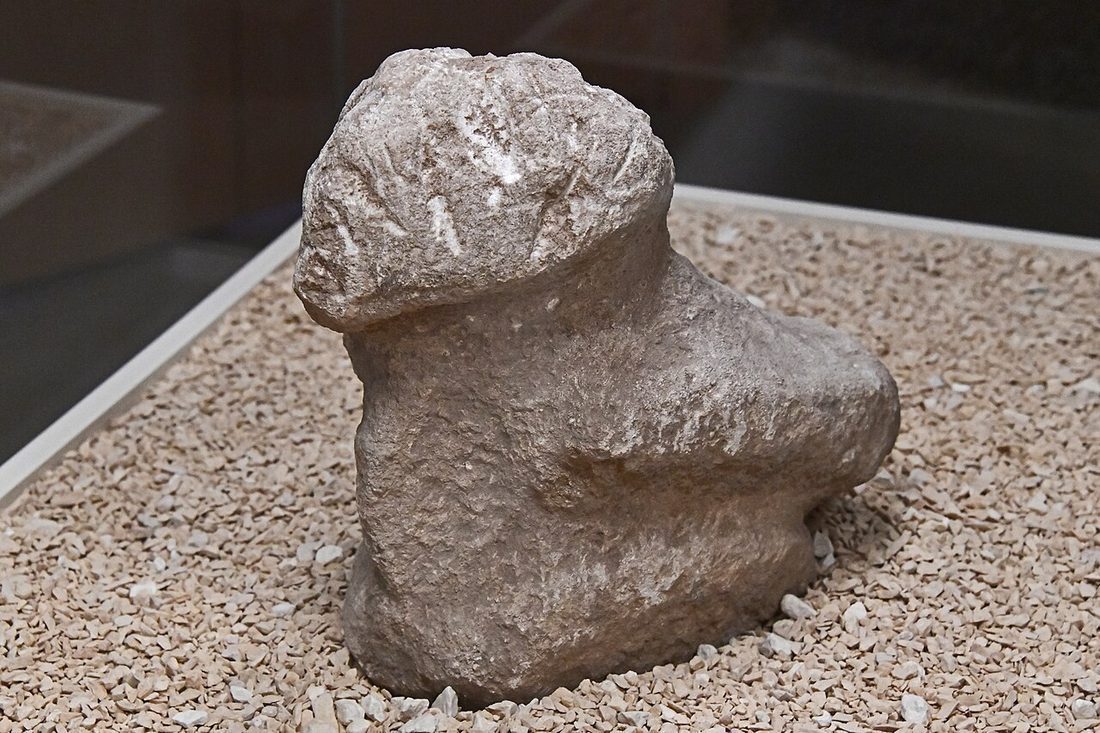
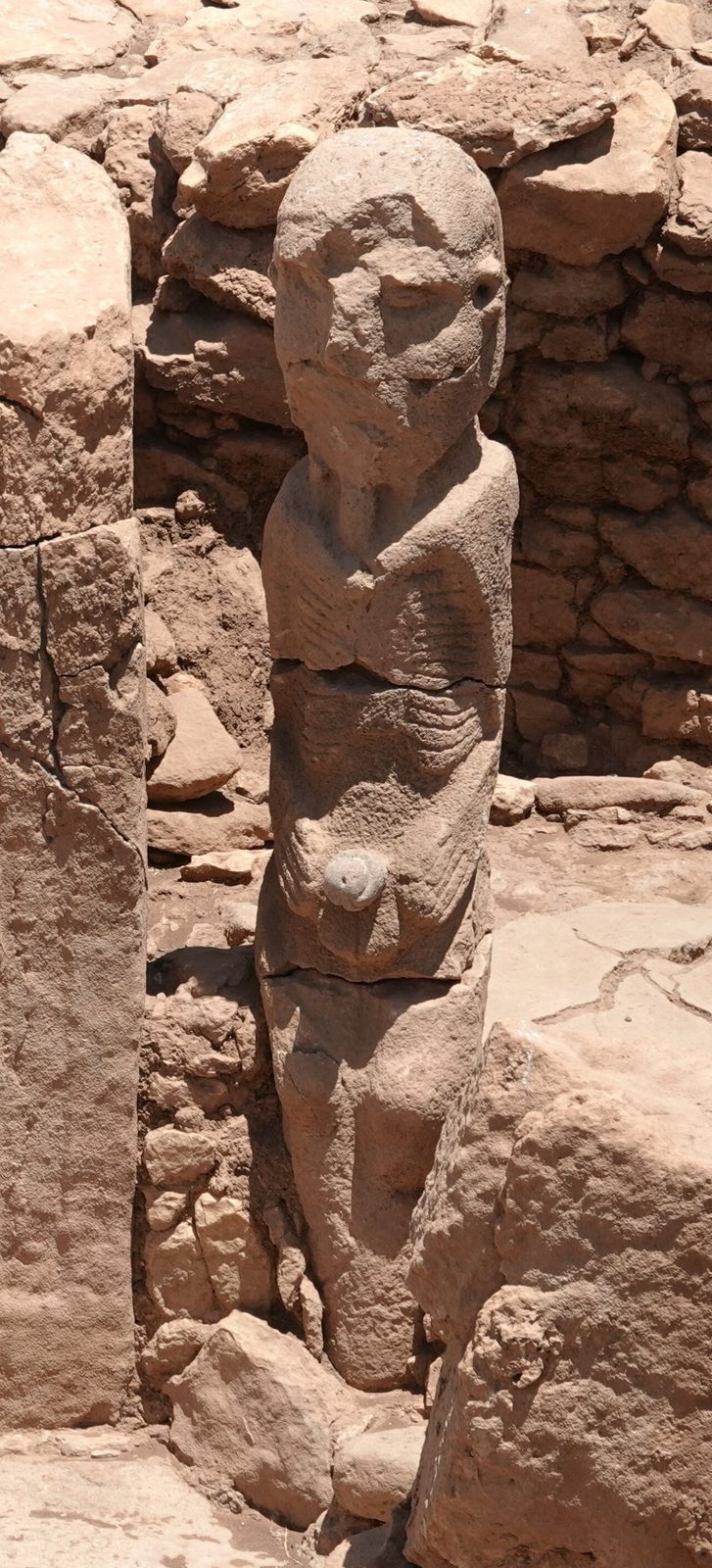
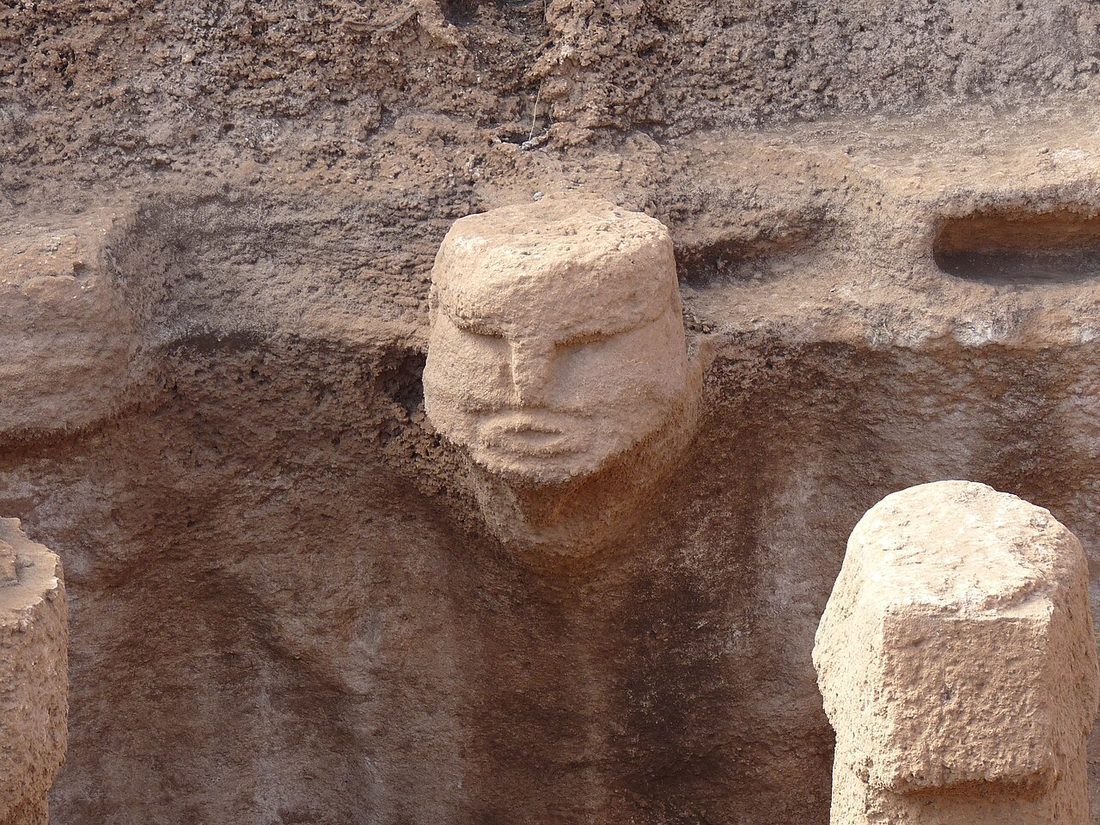
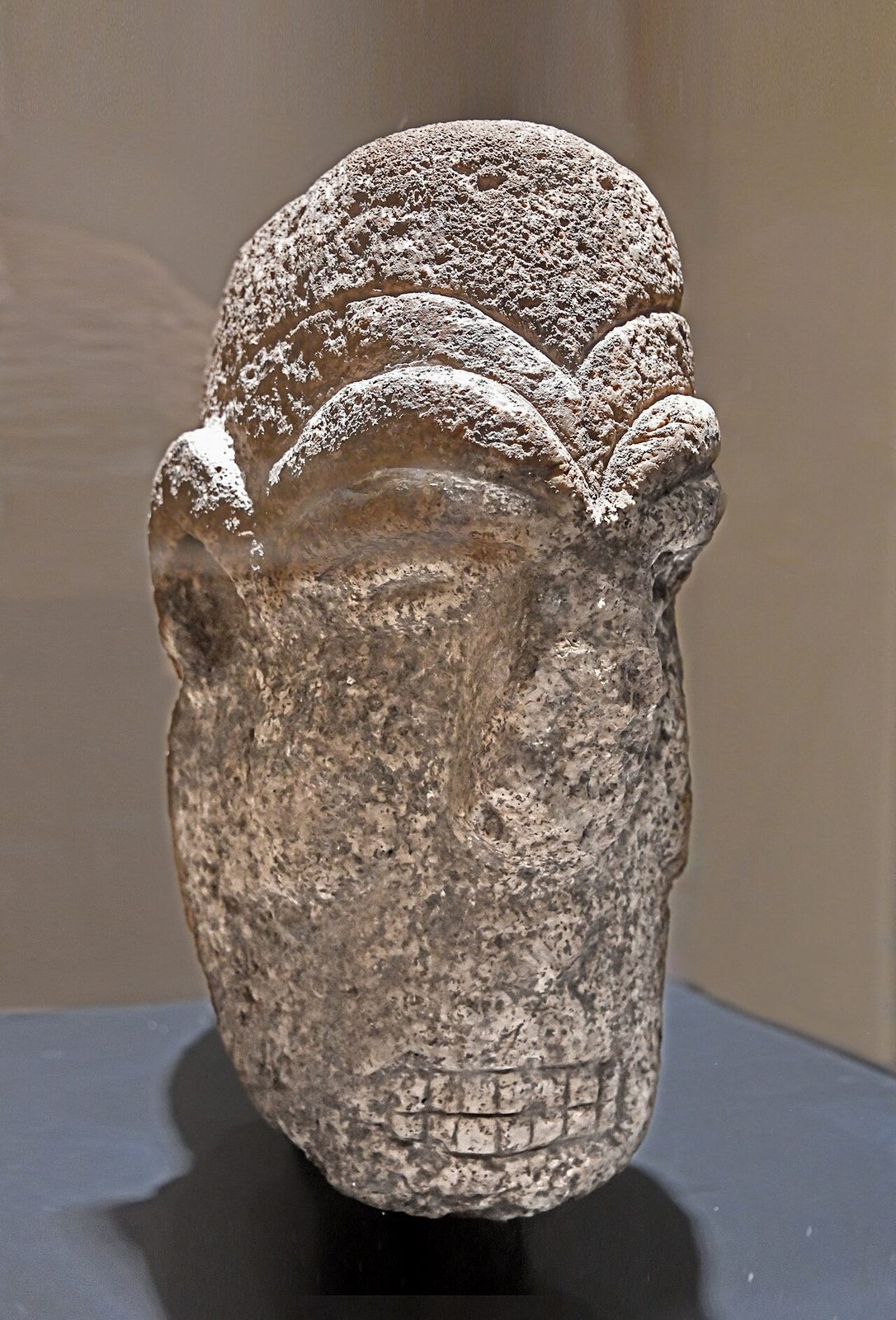
Göbekli Tepe, Karahan Tepe and Nevalı Çori, with finds held in the Şanlıurfa museum.

39 registered photographs

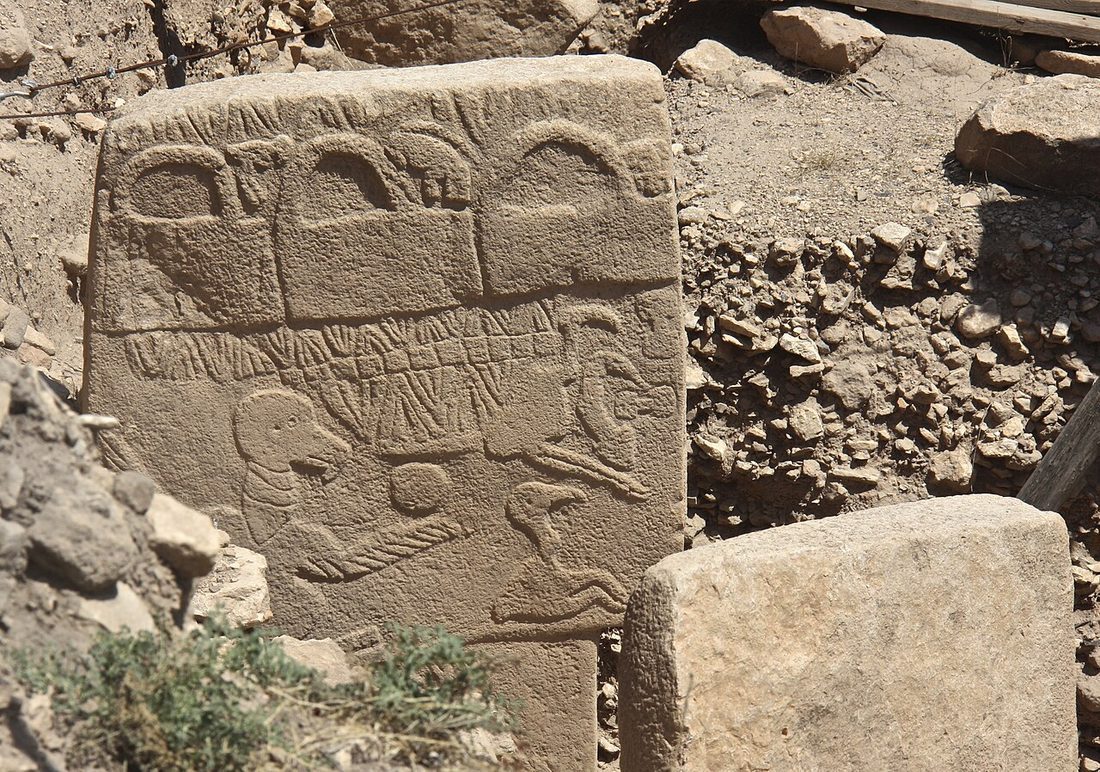
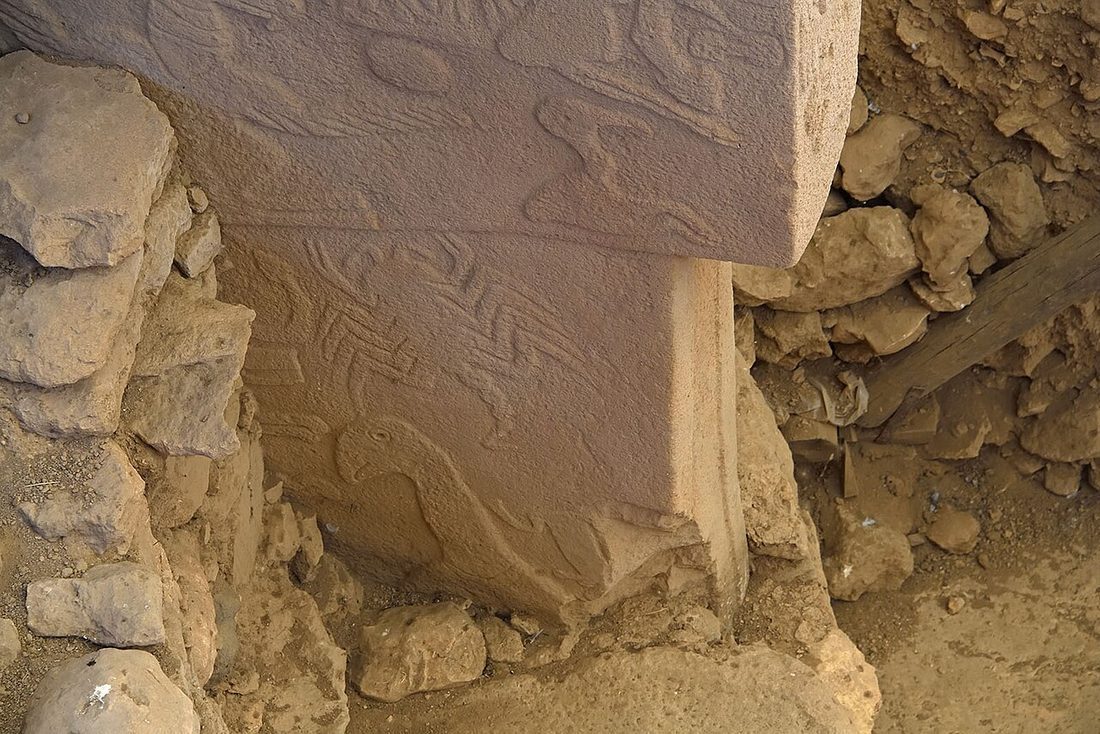
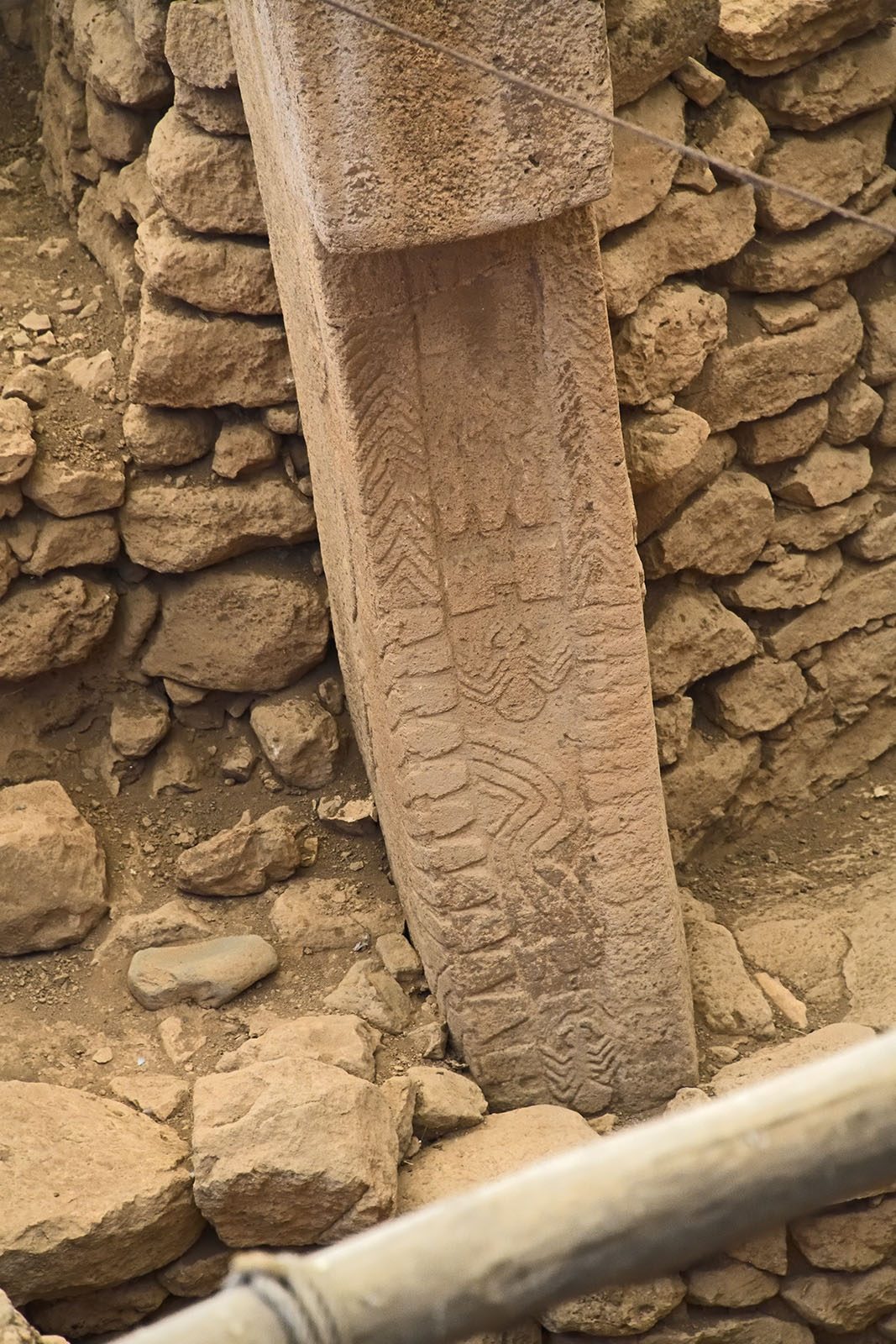
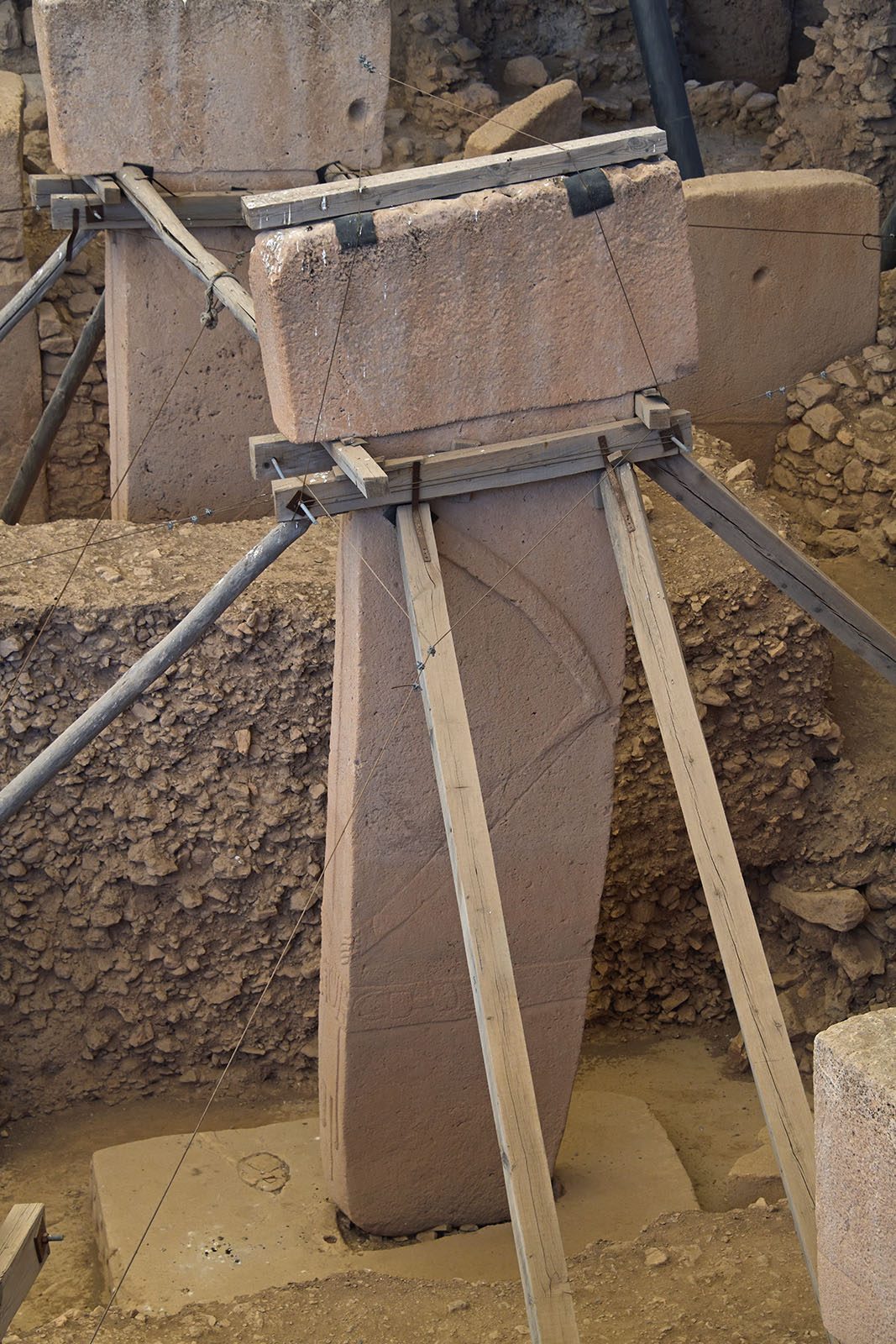
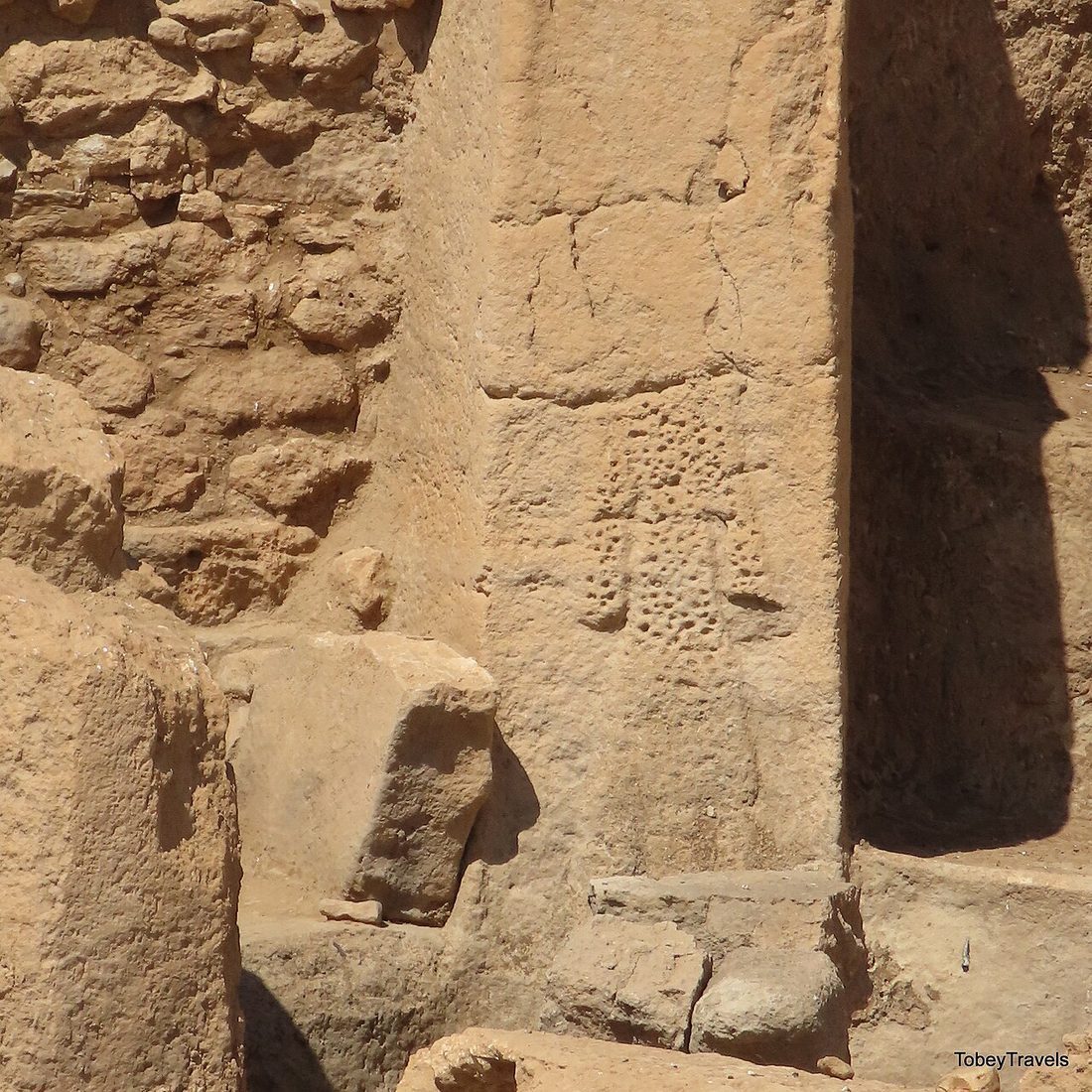
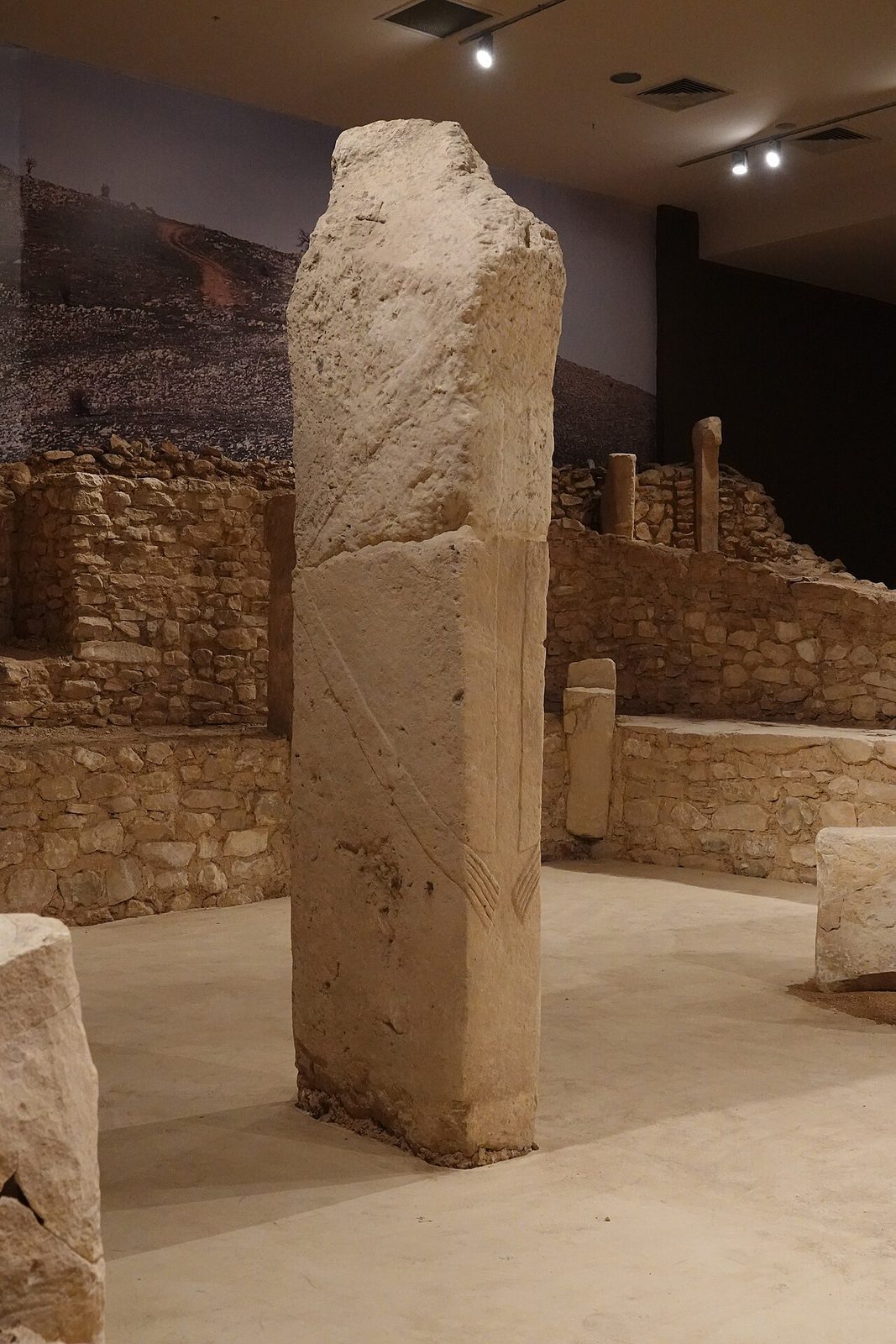
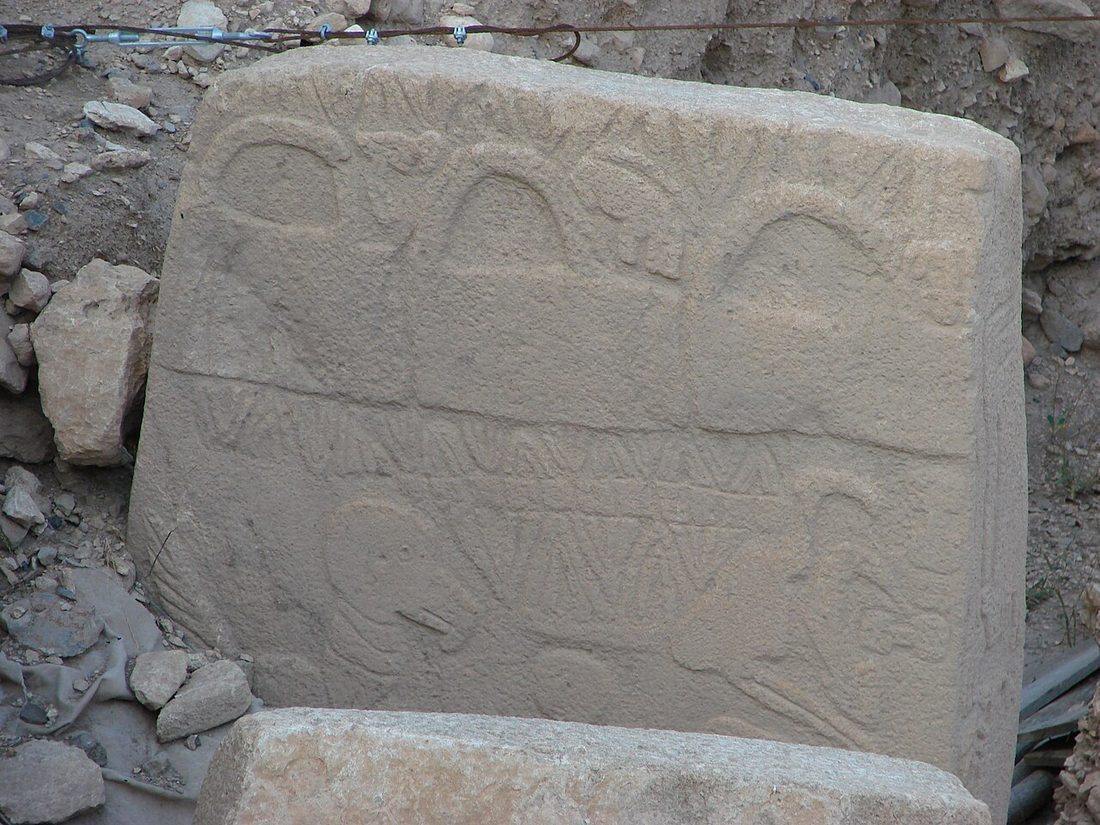
  1. Pillar 43 — Göbekli Tepe, Enclosure D
    Pillar 43Göbekli Tepe, Enclosure D
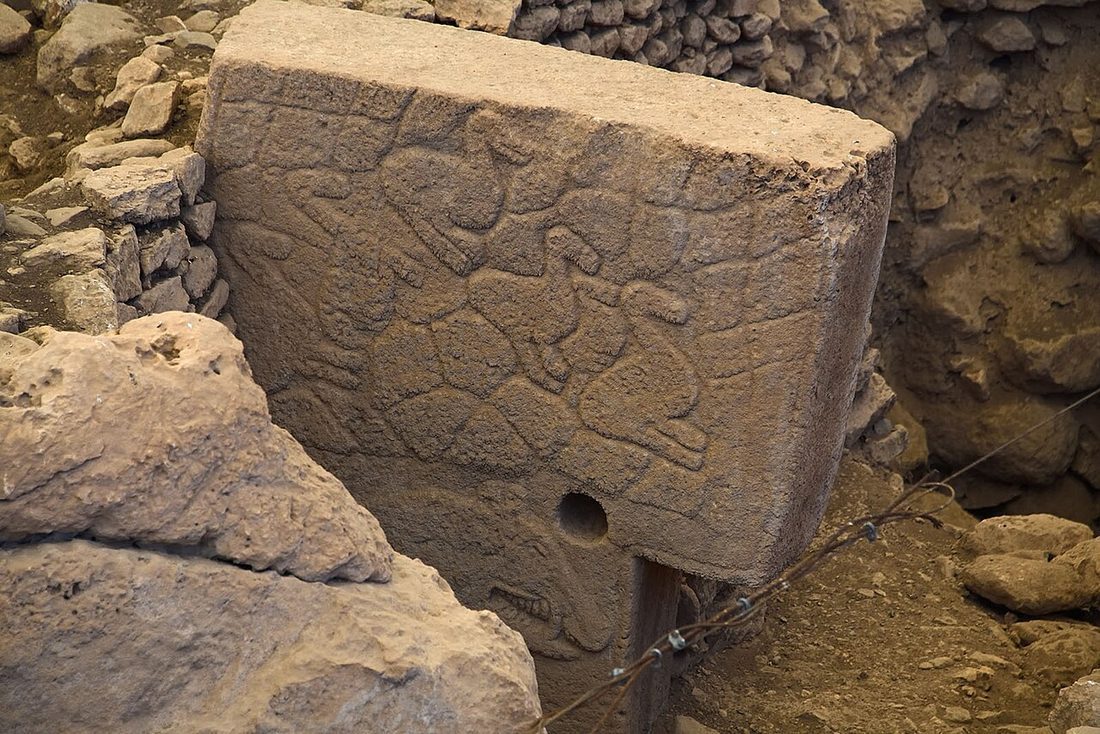
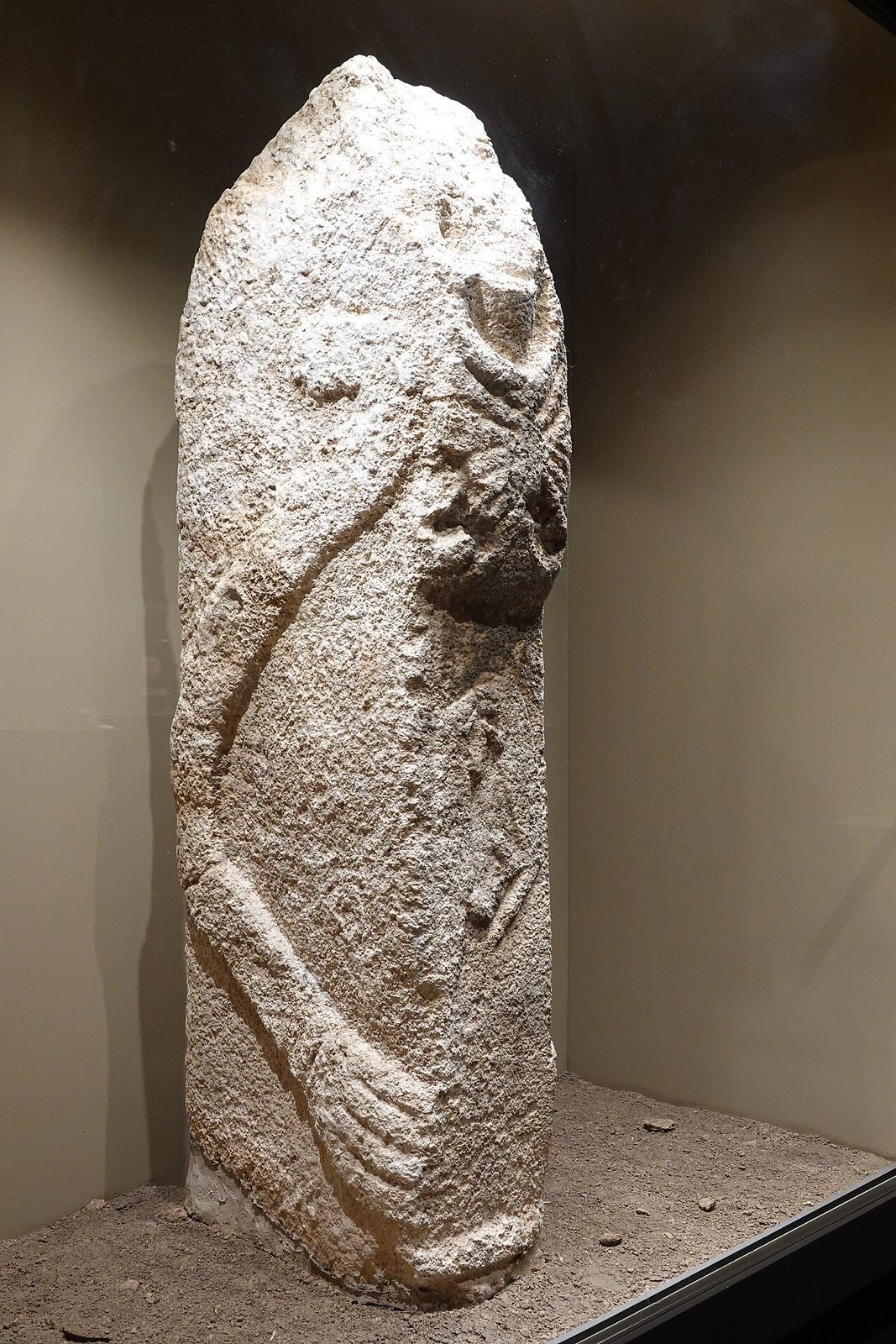
  2. Pillar 43 · the carved face — Göbekli Tepe, Enclosure D
    Pillar 43 · the carved faceGöbekli Tepe, Enclosure D
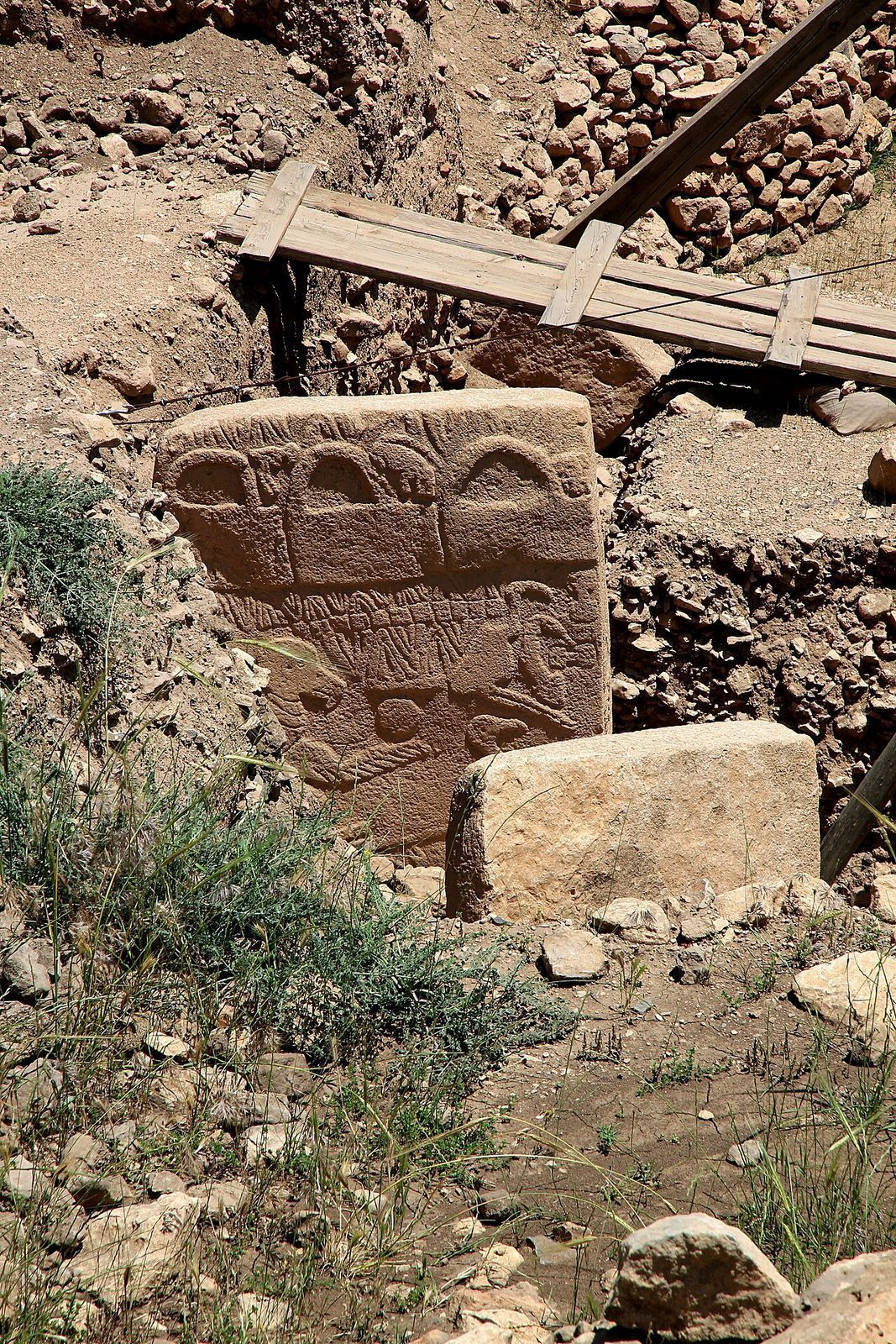
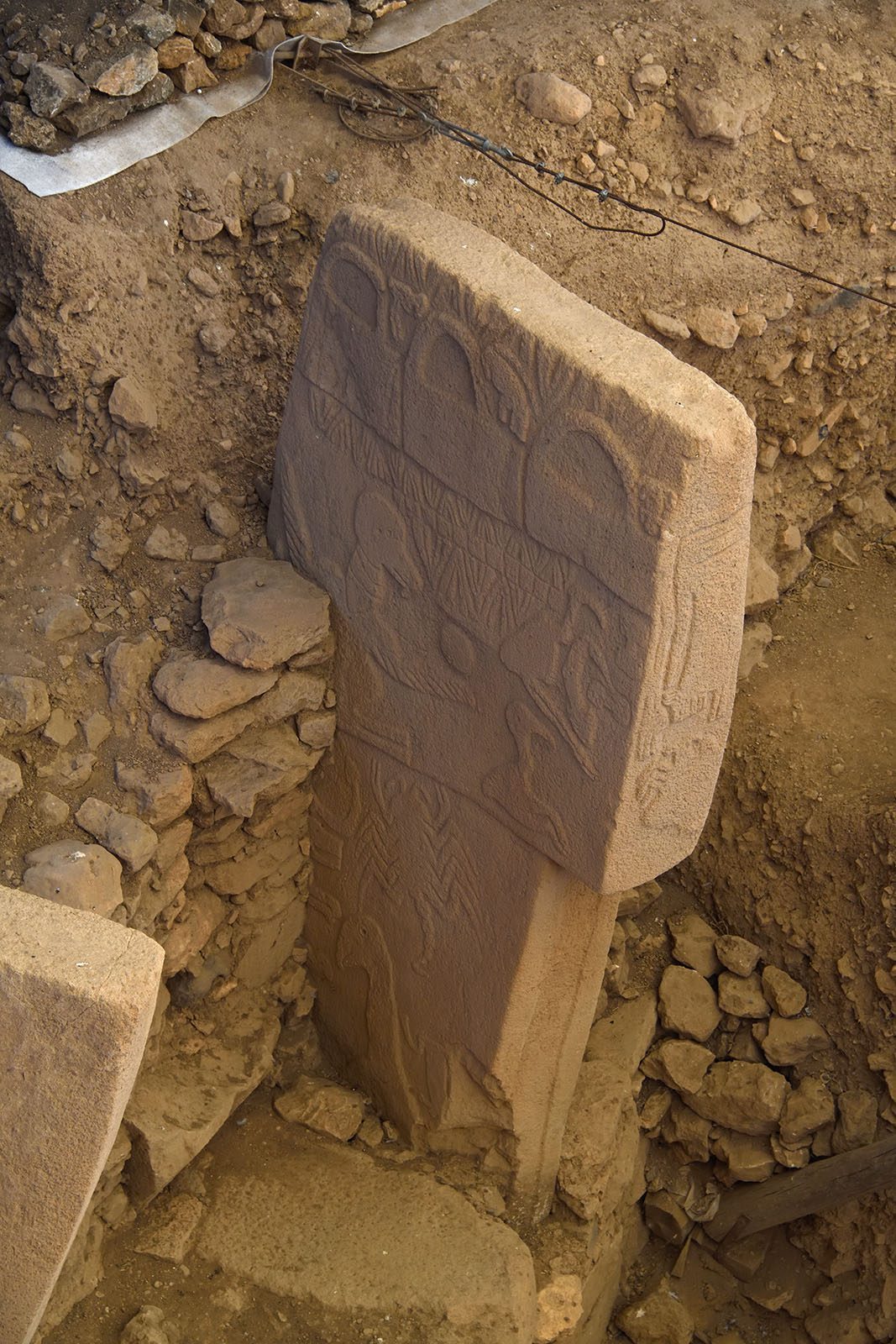
  3. Pillar 43 from the front — Göbekli Tepe, Enclosure D
    Pillar 43 from the frontGöbekli Tepe, Enclosure D
  4. Pillar 2 — Göbekli Tepe, Enclosure A
    Pillar 2Göbekli Tepe, Enclosure A
  5. Pillar 12 — Göbekli Tepe, Enclosure C
    Pillar 12Göbekli Tepe, Enclosure C
  6. Pillar 37 — Göbekli Tepe, Enclosure C
    Pillar 37Göbekli Tepe, Enclosure C
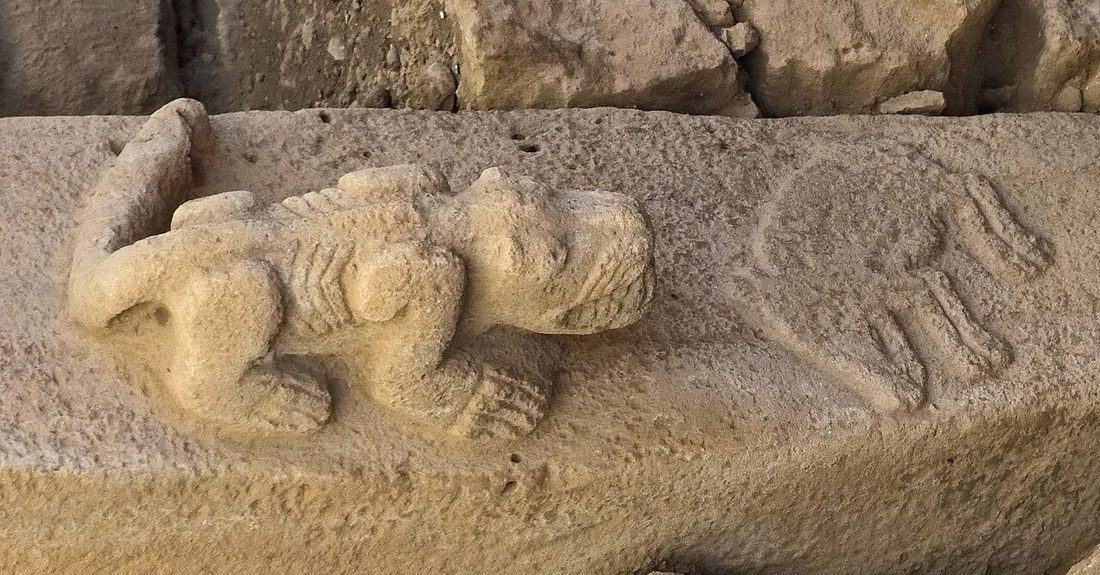
  7. Pillar 27 · crouching predator — Göbekli Tepe
    Pillar 27 · crouching predatorGöbekli Tepe
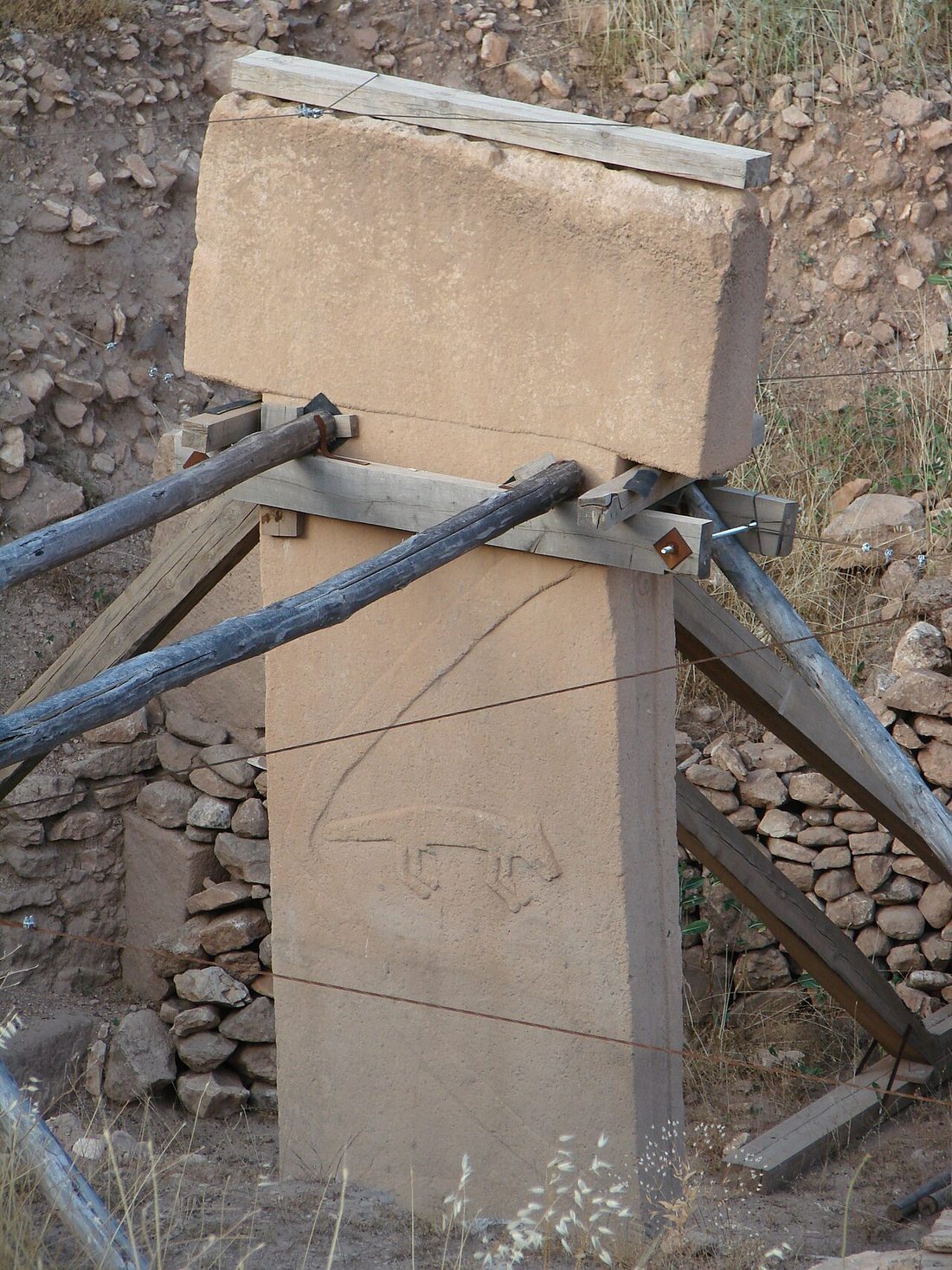
  8. Pillar with arm and fox — Göbekli Tepe
    Pillar with arm and foxGöbekli Tepe
  9. Animal sculpture — Göbekli Tepe
    Animal sculptureGöbekli Tepe
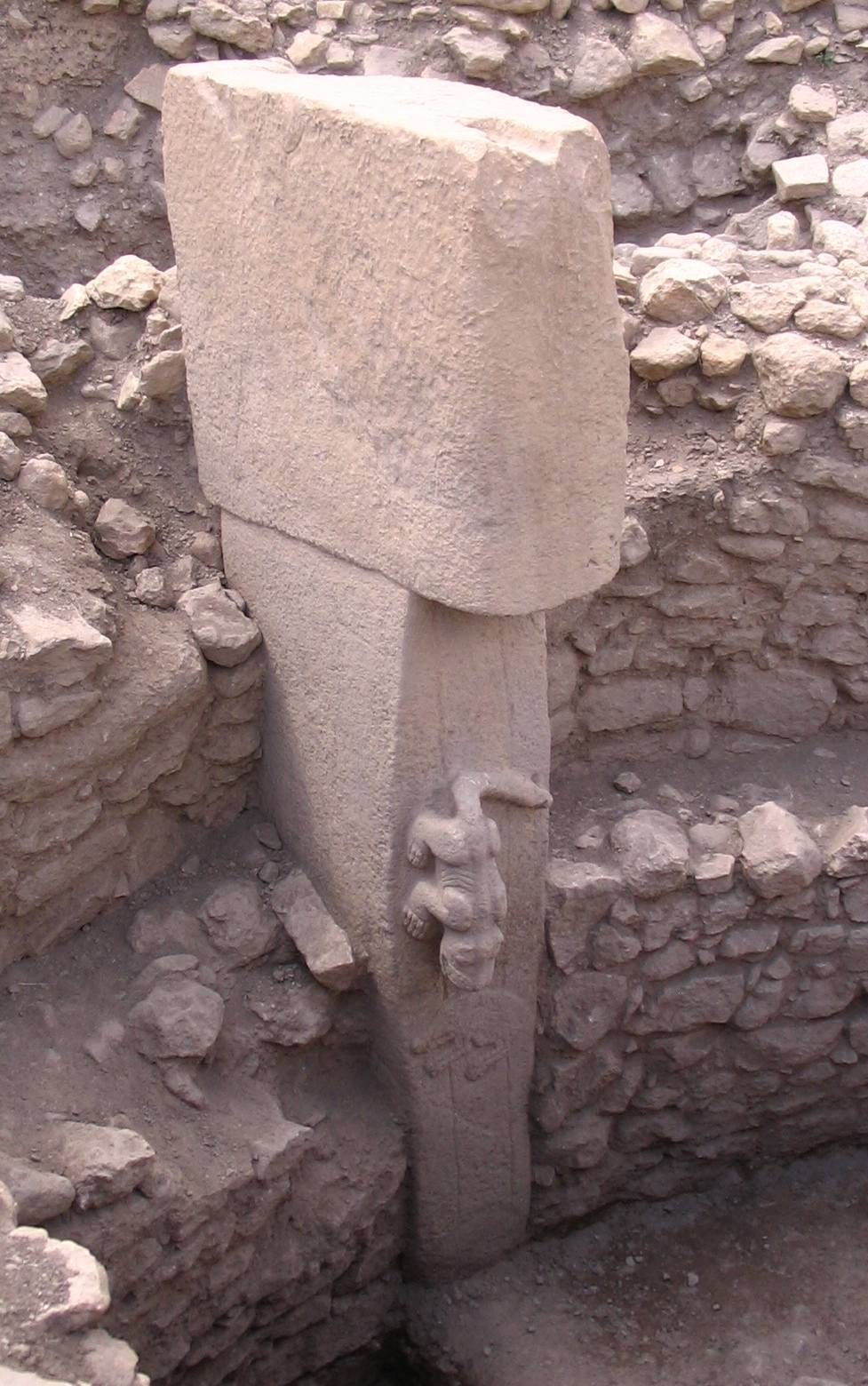
  10. Animal sculpture on a pillar — Göbekli Tepe
    Animal sculpture on a pillarGöbekli Tepe
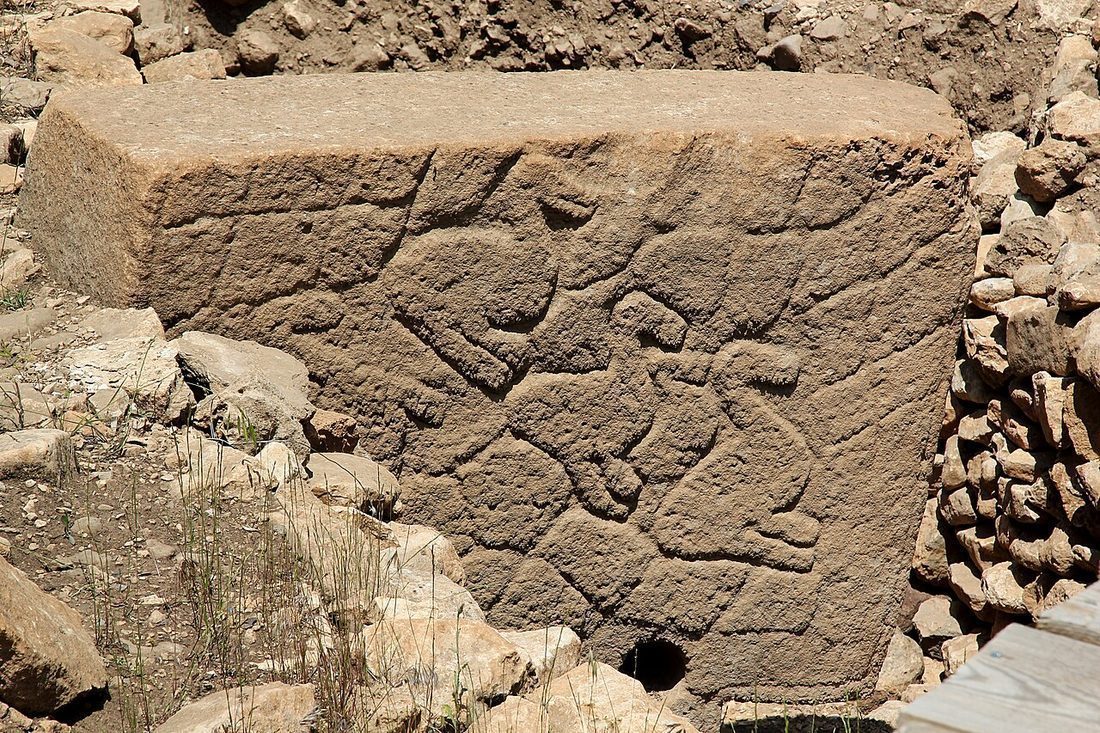
  11. Animal reliefs — Göbekli Tepe, Layer III
    Animal reliefsGöbekli Tepe, Layer III
  12. Enclosure D pillar · birds — Göbekli Tepe, Enclosure D
    Enclosure D pillar · birdsGöbekli Tepe, Enclosure D
  13. Enclosure D pillar · birds, closer — Göbekli Tepe, Enclosure D
    Enclosure D pillar · birds, closerGöbekli Tepe, Enclosure D
  14. Enclosure D pillar · animal register — Göbekli Tepe, Enclosure D
    Enclosure D pillar · animal registerGöbekli Tepe, Enclosure D
  15. Enclosure C pillar head — Göbekli Tepe, Enclosure C
    Enclosure C pillar headGöbekli Tepe, Enclosure C
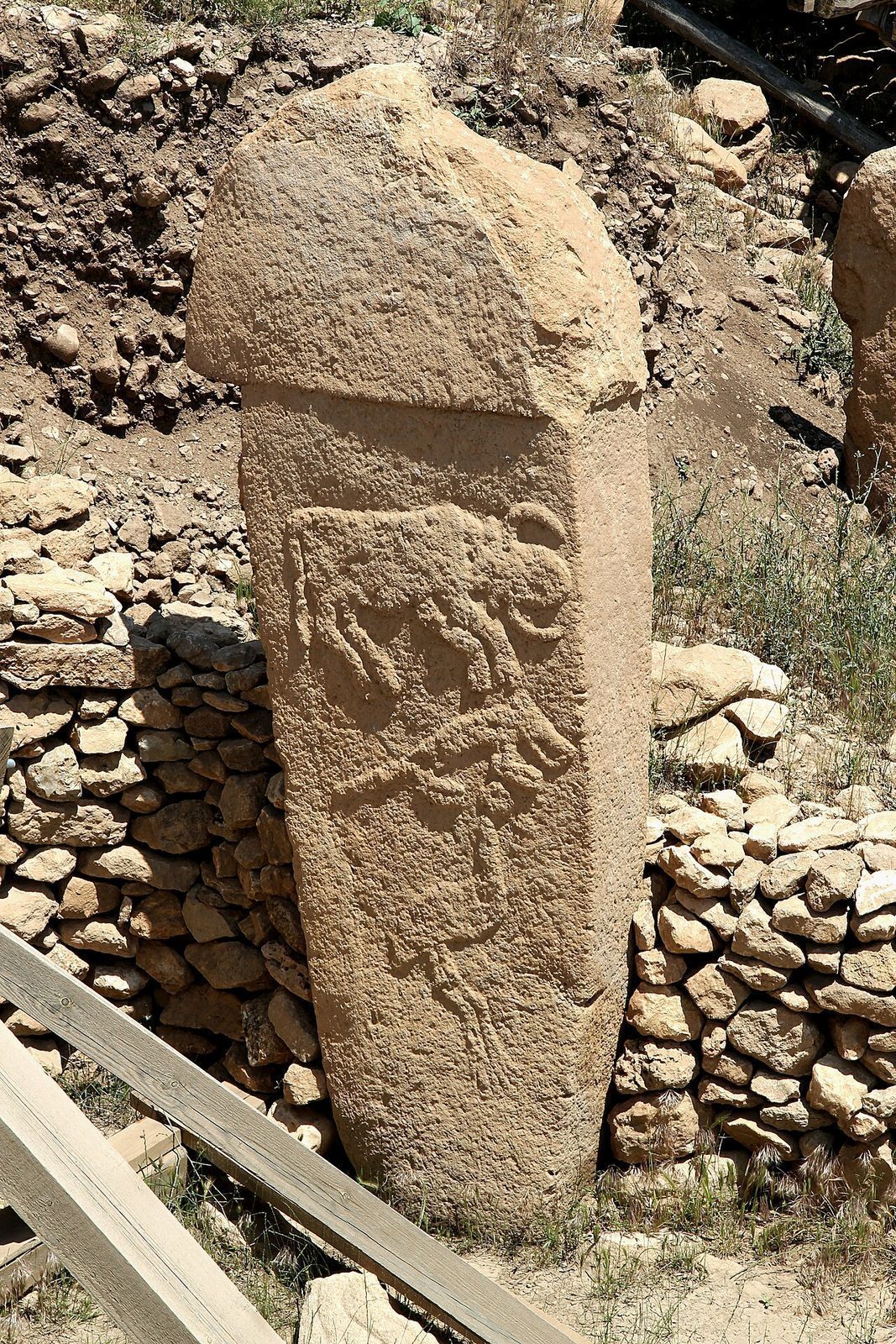
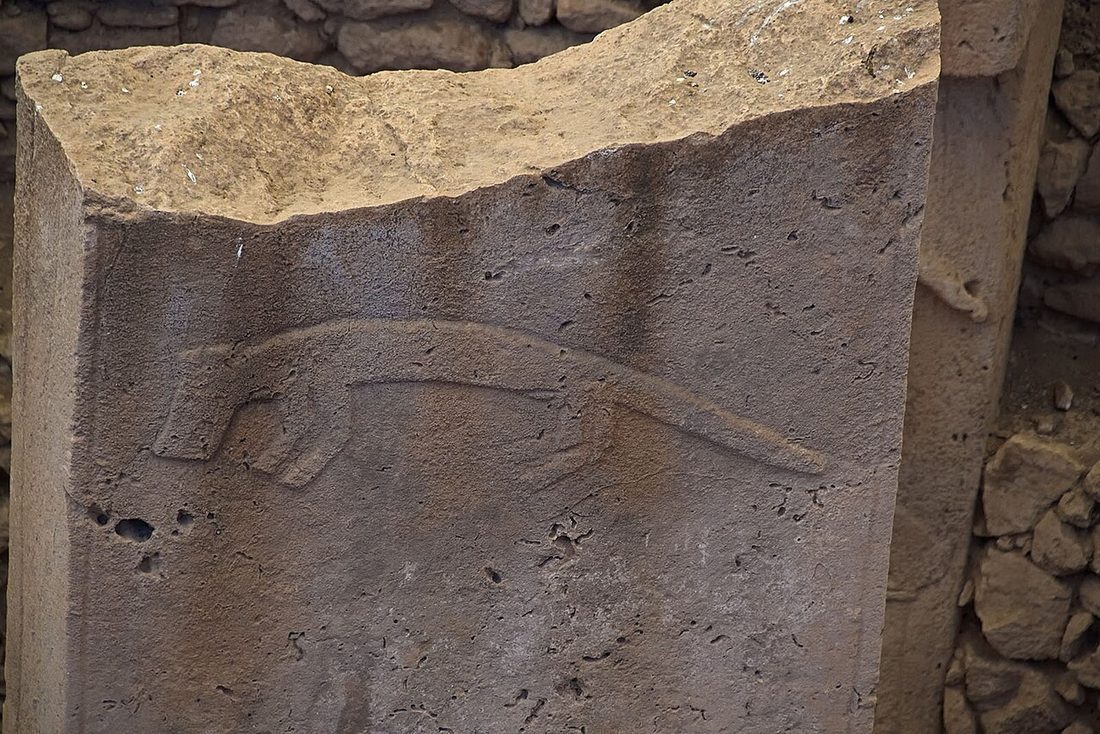
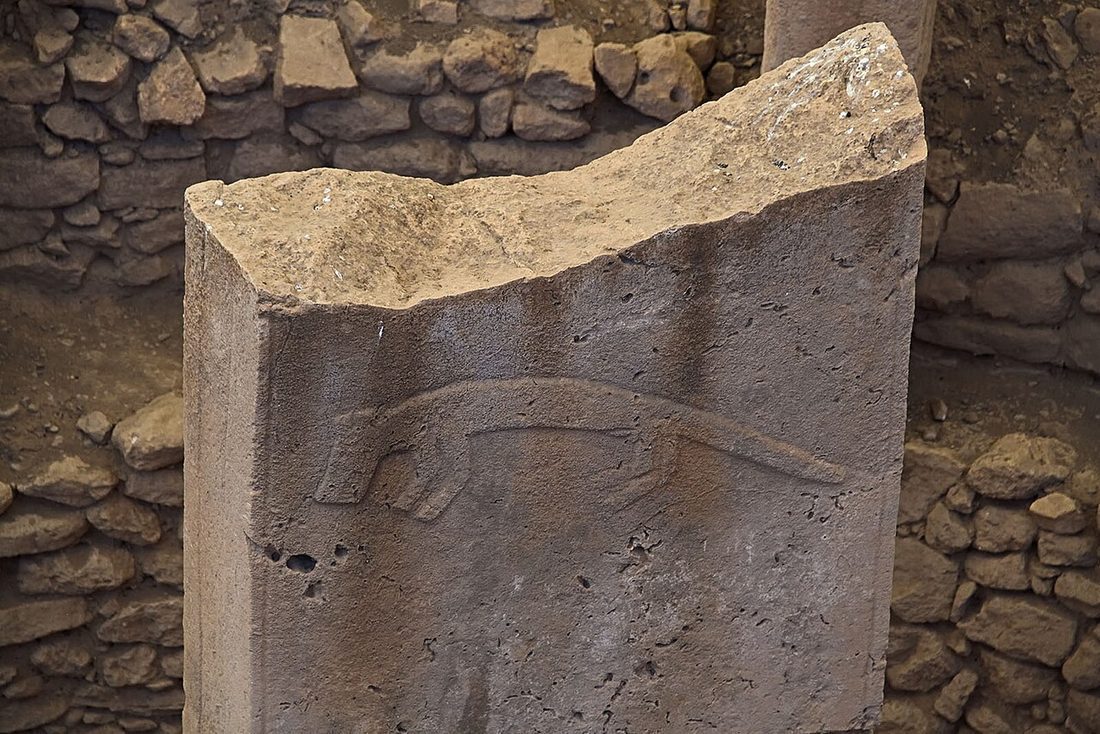
  16. Enclosure C pillar · quadruped — Göbekli Tepe, Enclosure C
    Enclosure C pillar · quadrupedGöbekli Tepe, Enclosure C
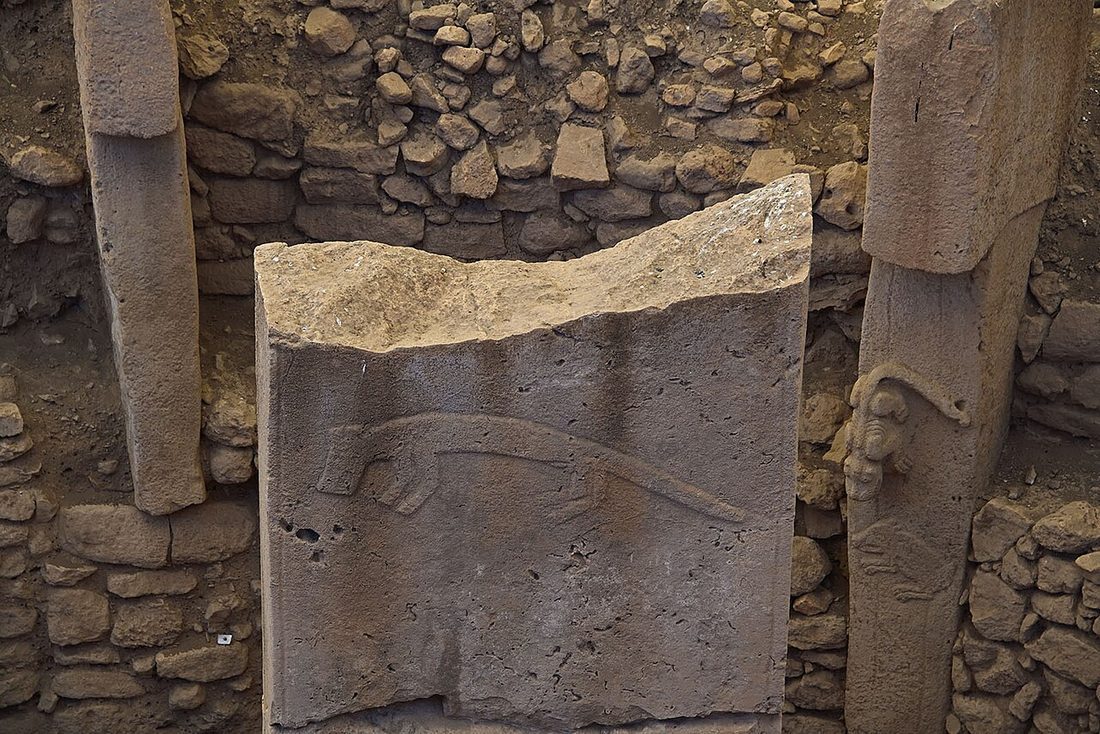
  17. Enclosure C pillar · quadruped, wider — Göbekli Tepe, Enclosure C
    Enclosure C pillar · quadruped, widerGöbekli Tepe, Enclosure C
  18. Enclosure D shaft · vertical relief — Göbekli Tepe, Enclosure D
    Enclosure D shaft · vertical reliefGöbekli Tepe, Enclosure D
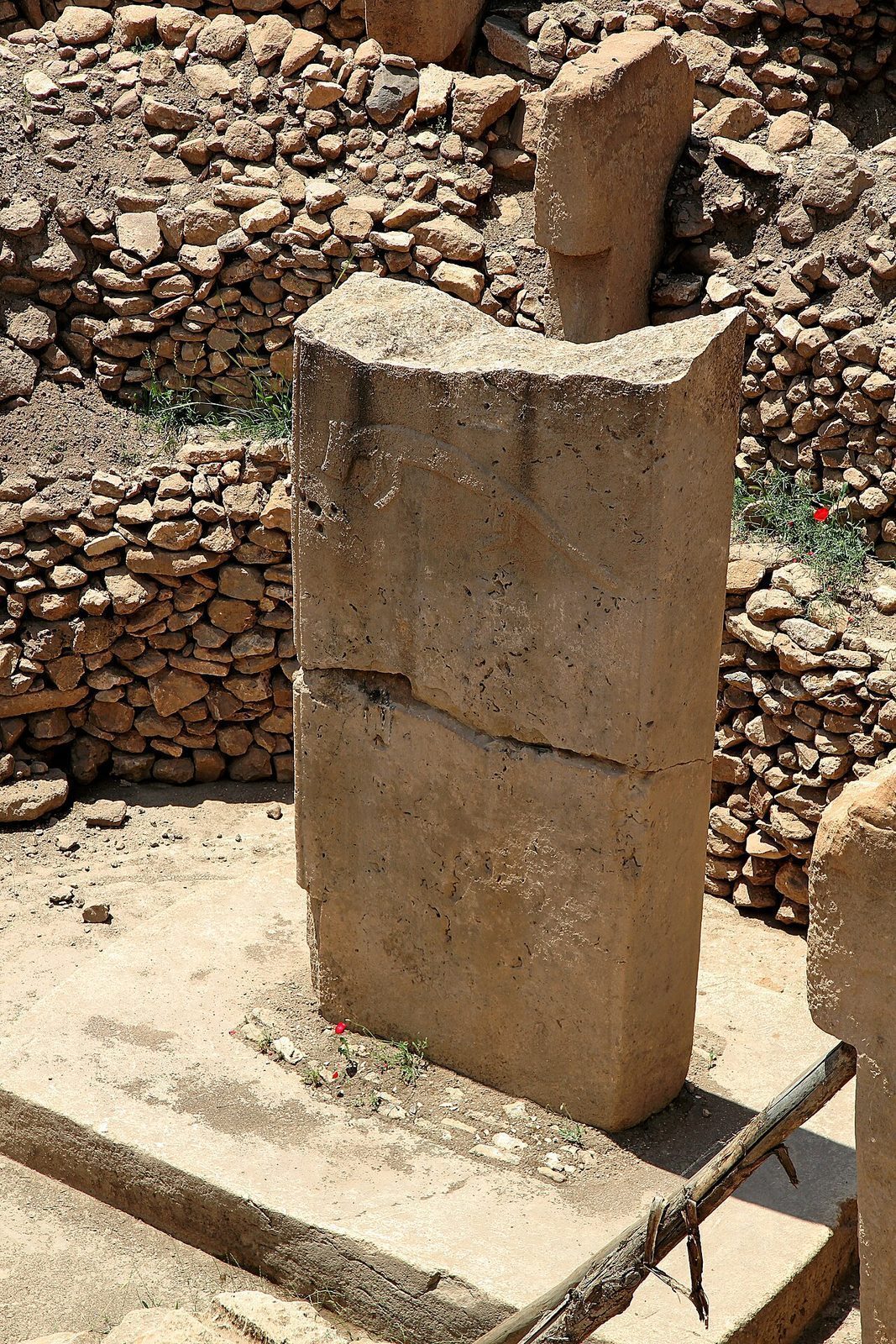
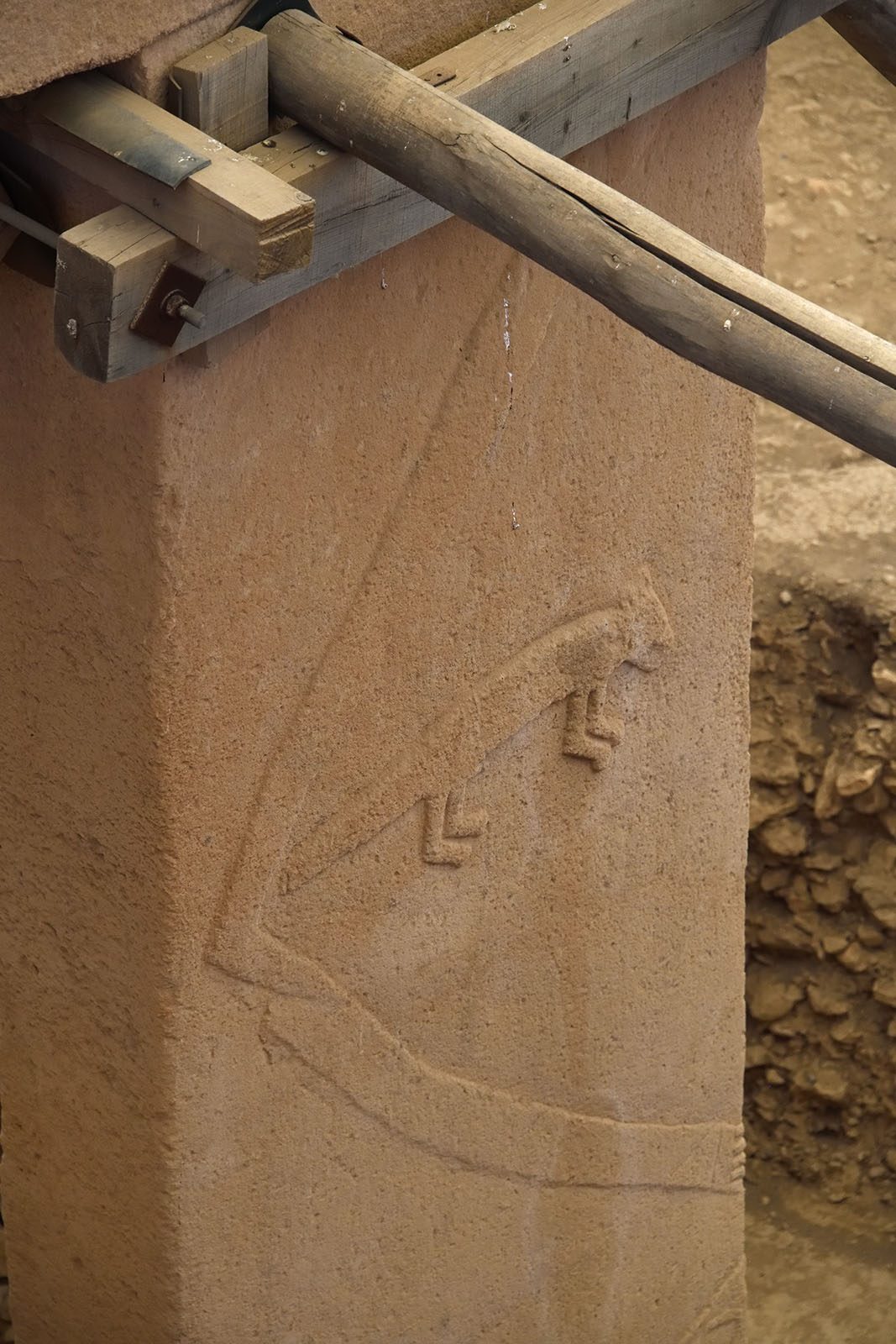
  19. Enclosure D pillar · fox — Göbekli Tepe, Enclosure D
    Enclosure D pillar · foxGöbekli Tepe, Enclosure D
  20. Enclosure D pillar · abstract signs — Göbekli Tepe, Enclosure D
    Enclosure D pillar · abstract signsGöbekli Tepe, Enclosure D
  21. Enclosure C · plain pillar — Göbekli Tepe, Enclosure C
    Enclosure C · plain pillarGöbekli Tepe, Enclosure C
  22. Enclosure D · plain pillar — Göbekli Tepe, Enclosure D
    Enclosure D · plain pillarGöbekli Tepe, Enclosure D
  23. Enclosure A pillar — Göbekli Tepe, Enclosure A
    Enclosure A pillarGöbekli Tepe, Enclosure A
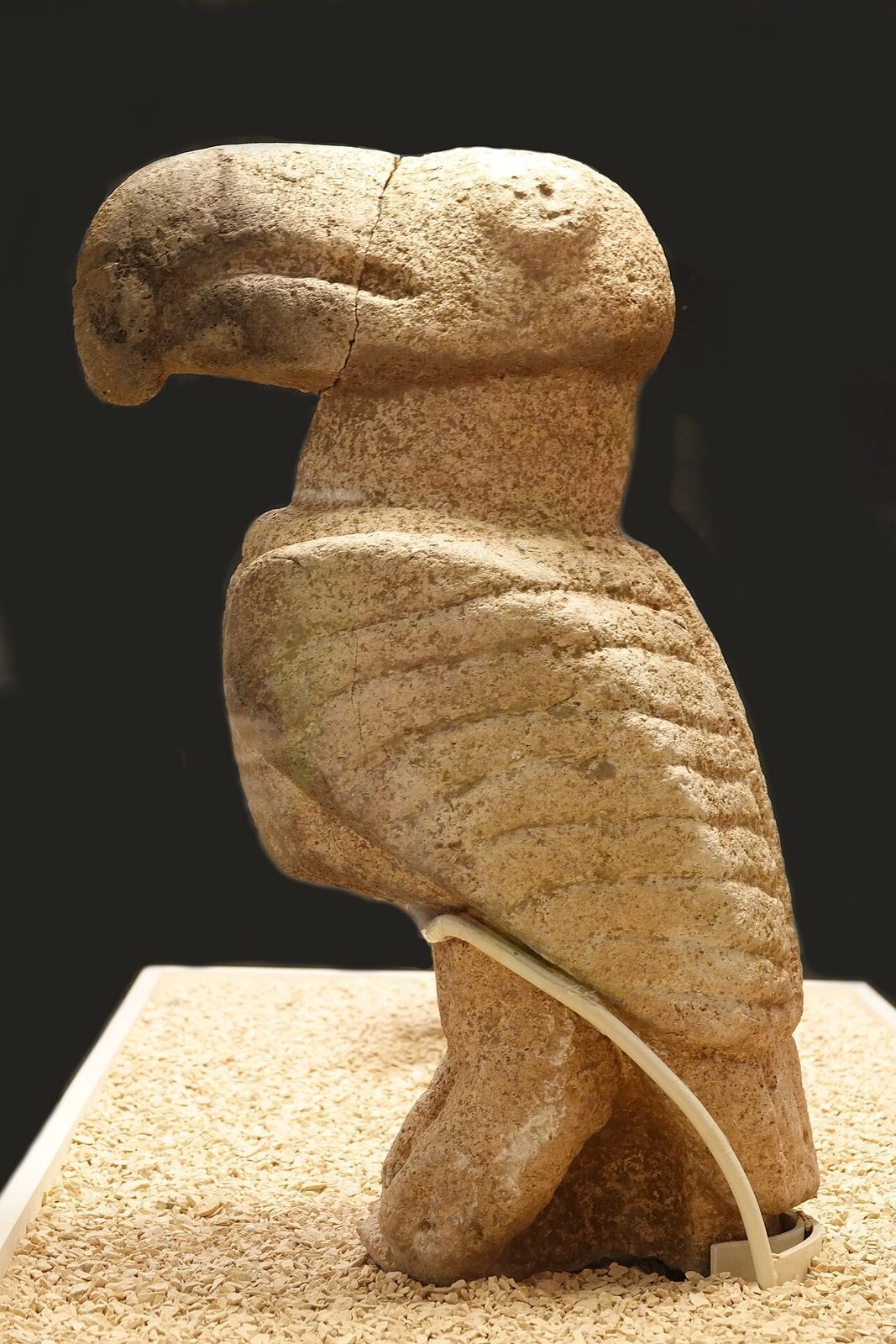
  24. Vulture — Karahan Tepe (Şanlıurfa Museum)
    VultureKarahan Tepe (Şanlıurfa Museum)
  25. Vulture statue — Karahan Tepe (Şanlıurfa Museum)
    Vulture statueKarahan Tepe (Şanlıurfa Museum)
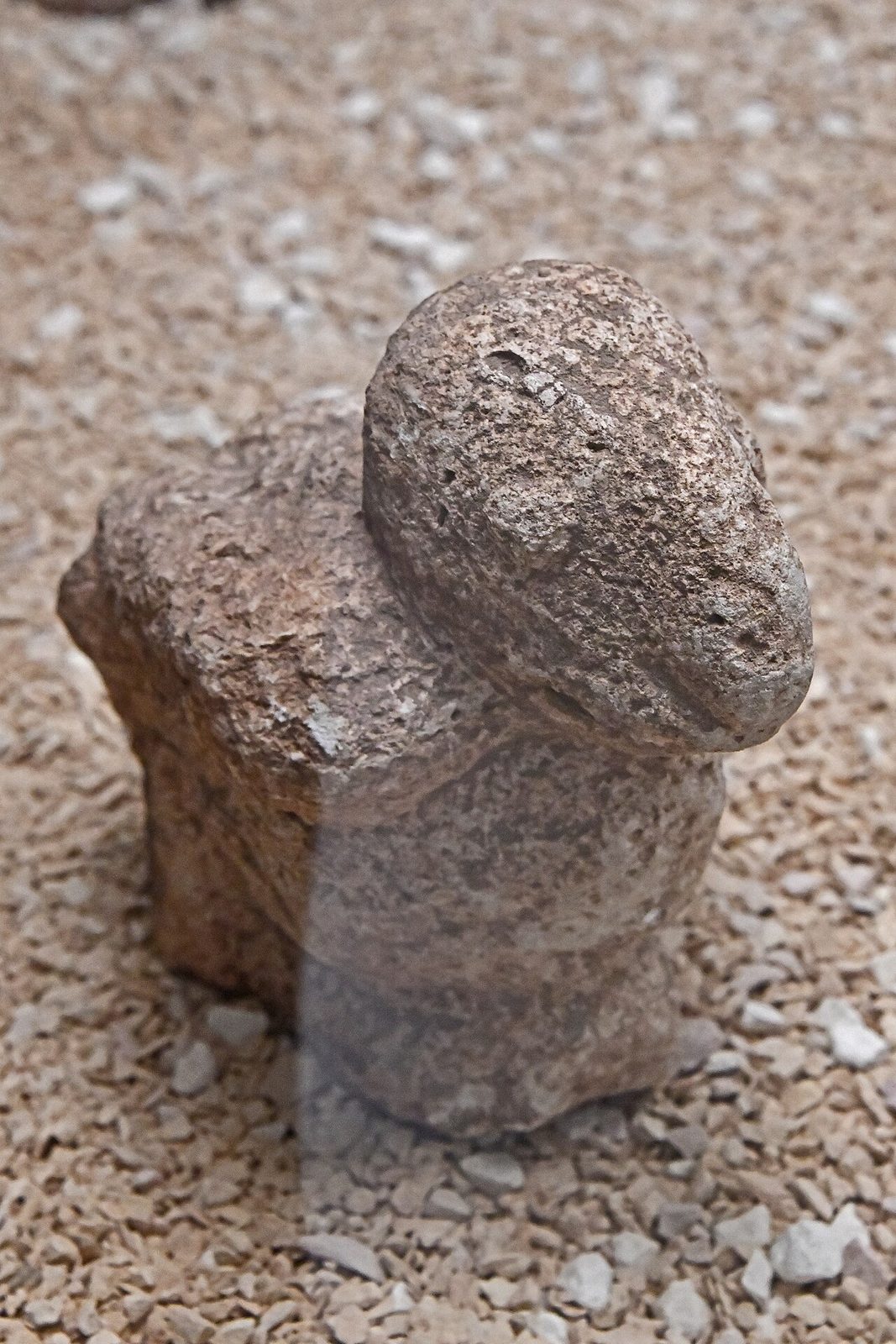
  26. Bird statue — Karahan Tepe (Şanlıurfa Museum)
    Bird statueKarahan Tepe (Şanlıurfa Museum)
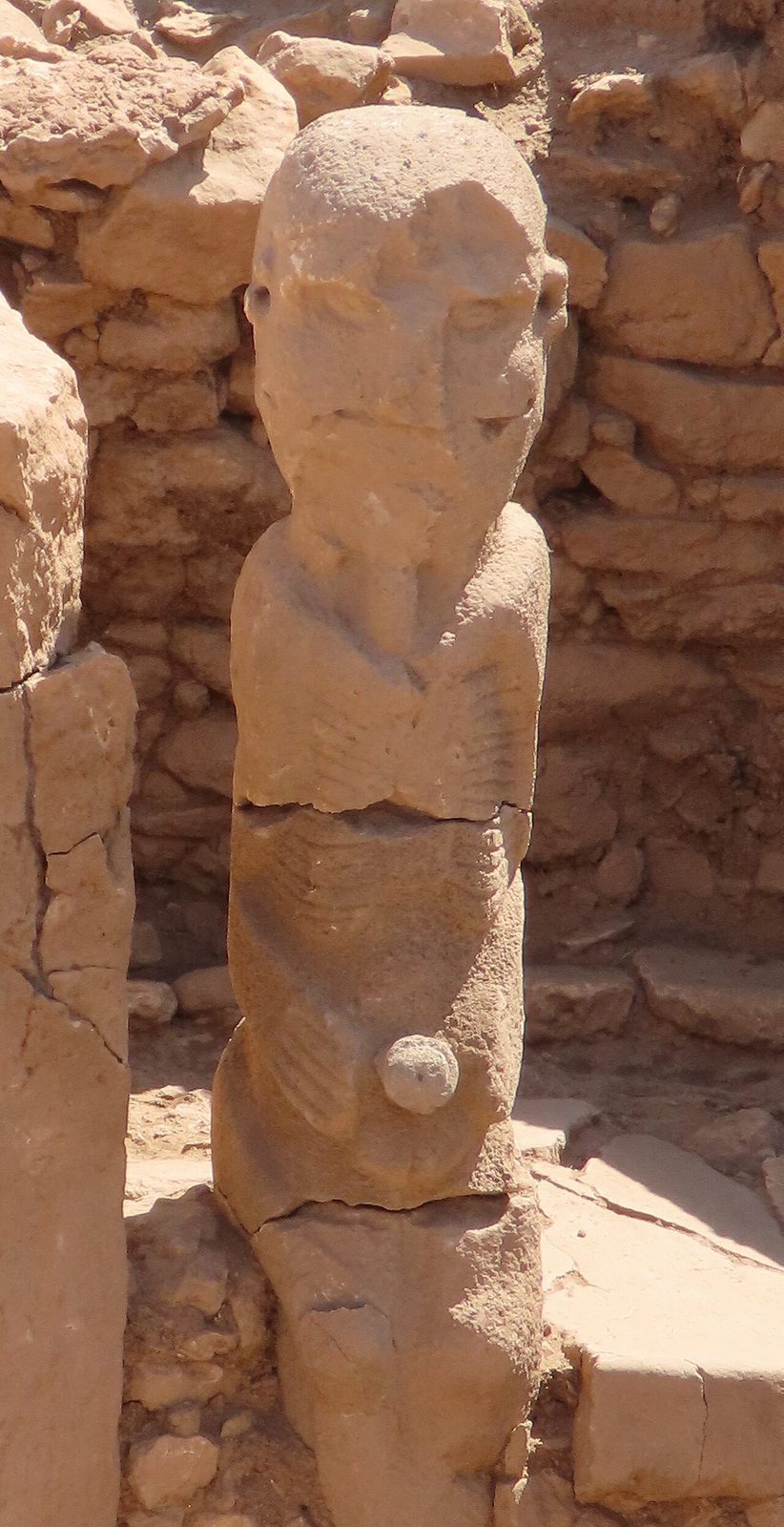
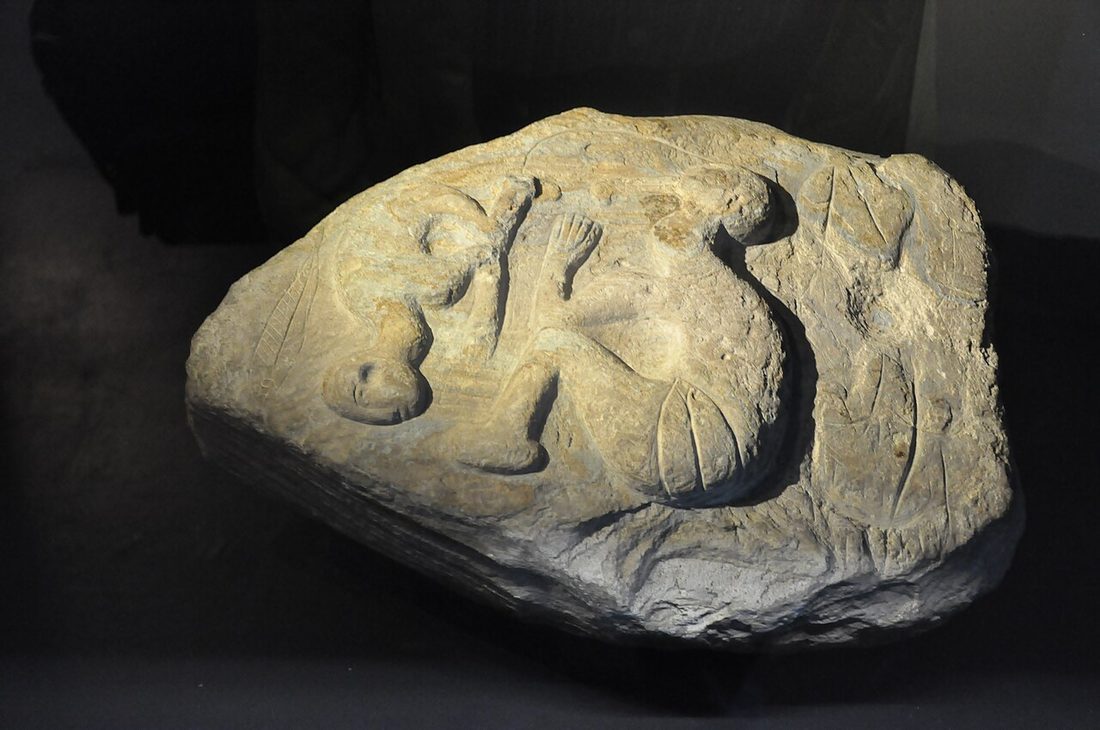
  27. The Karahan Tepe man, closer — Karahan Tepe
    The Karahan Tepe man, closerKarahan Tepe
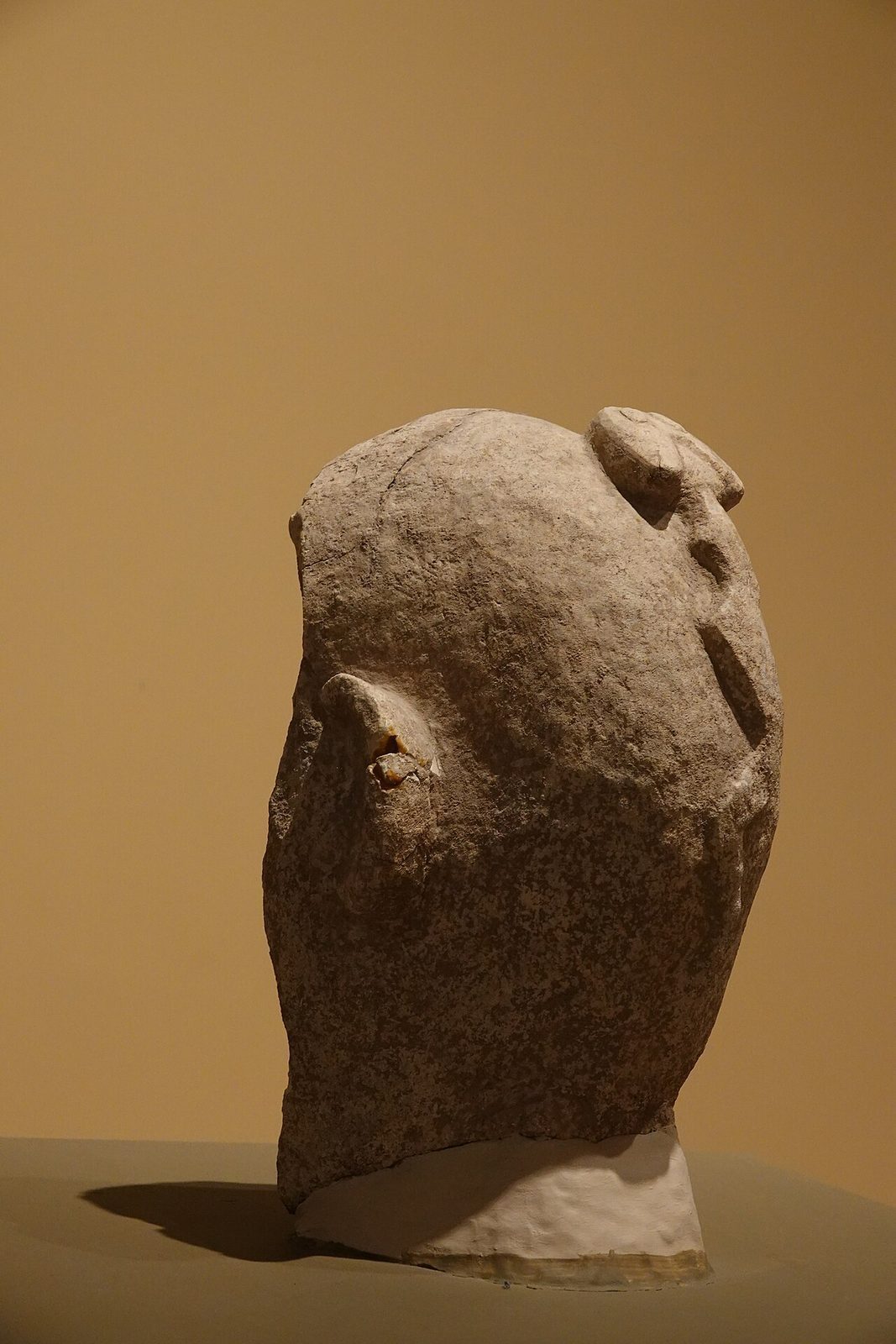
  28. Carved human head — Karahan Tepe
    Carved human headKarahan Tepe
  29. Carved head, lit — Karahan Tepe
    Carved head, litKarahan Tepe
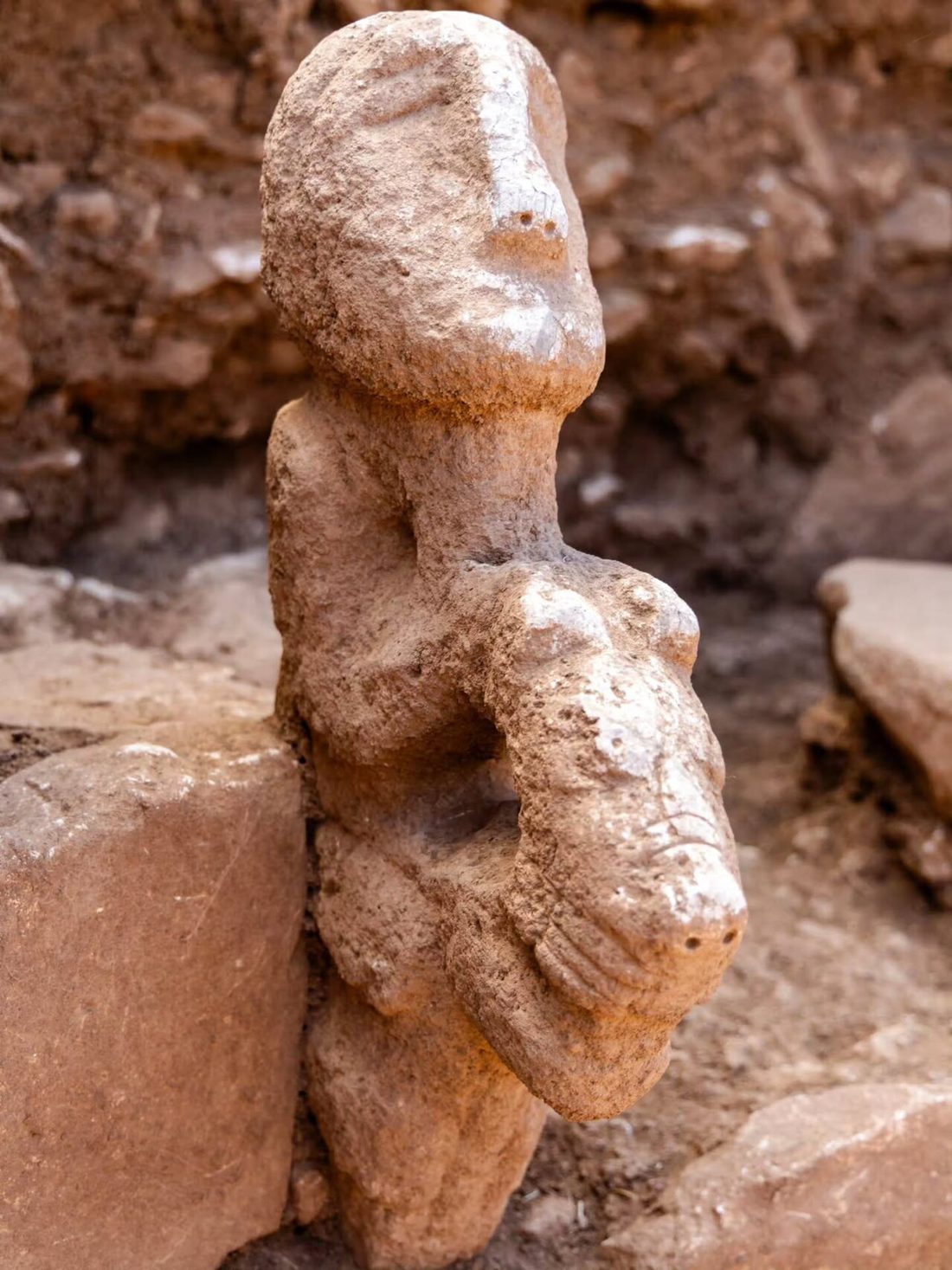
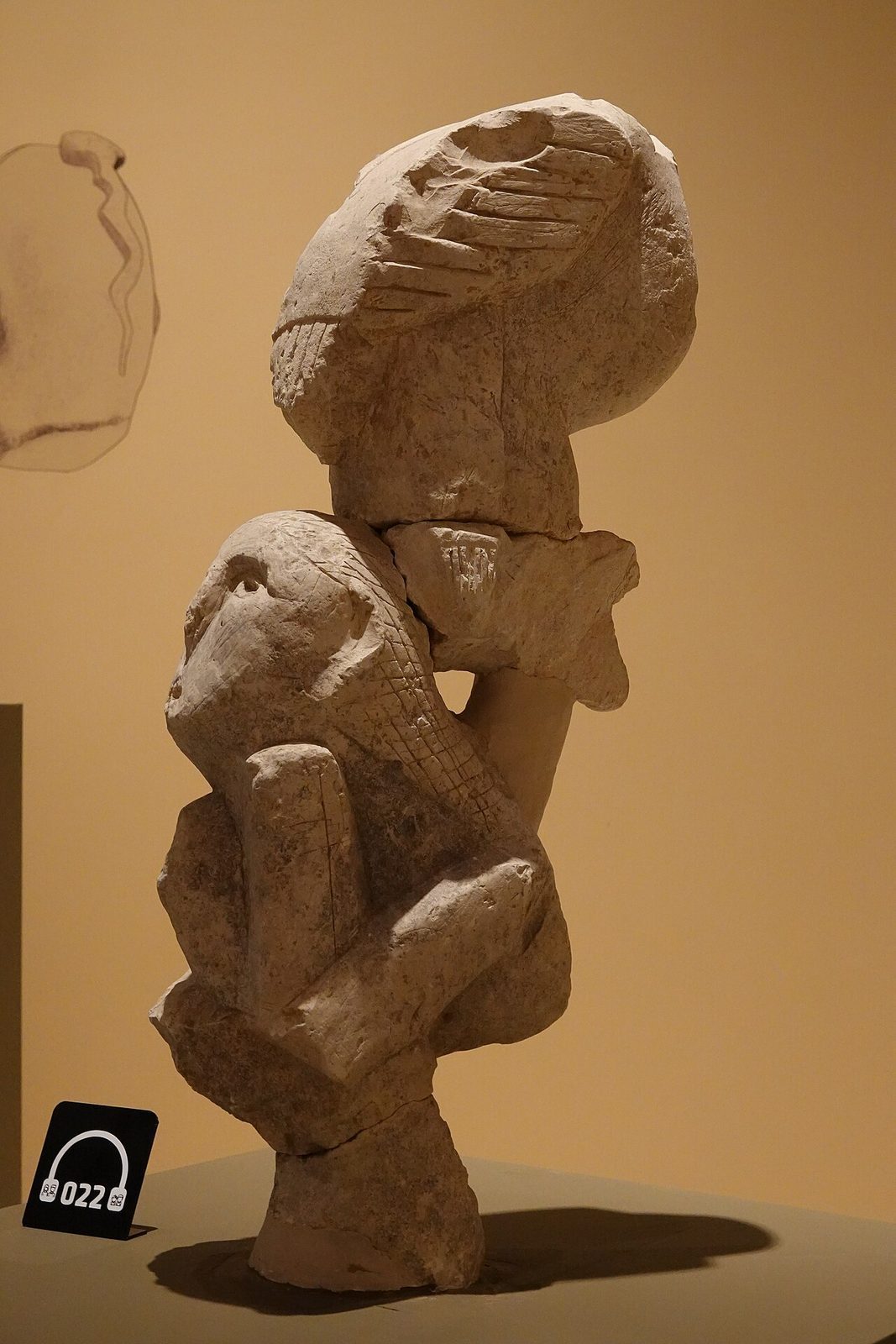
  30. Figure seated on a leopard — Karahan Tepe
    Figure seated on a leopardKarahan Tepe
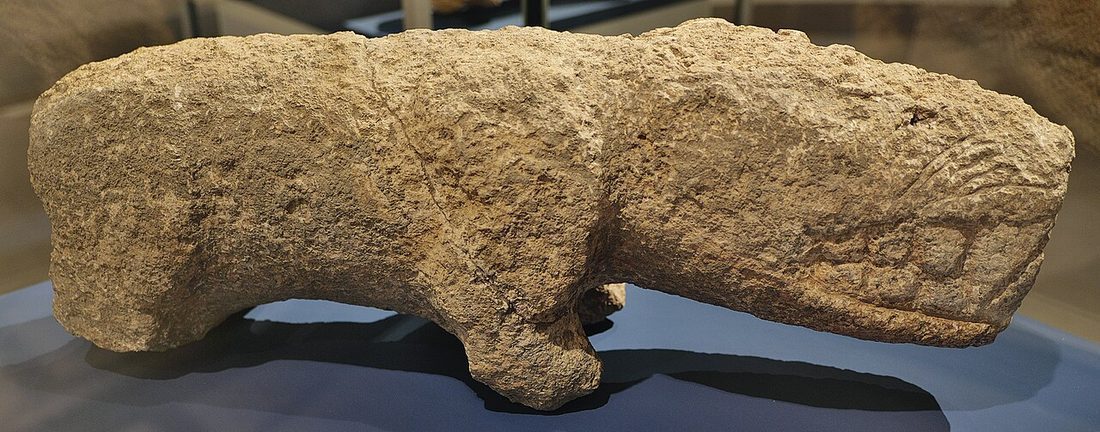
  31. Leopard sculpture — Karahan Tepe (museum)
    Leopard sculptureKarahan Tepe (museum)
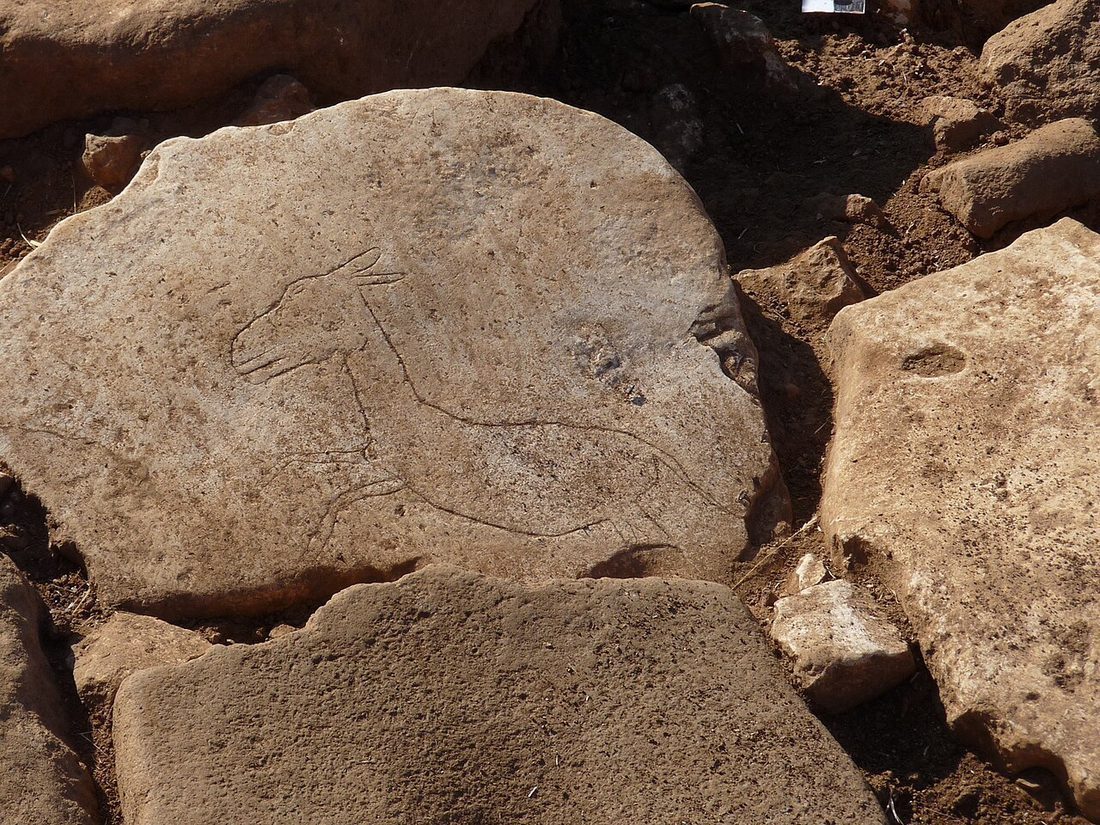
  32. Gazelle — Karahan Tepe
    GazelleKarahan Tepe
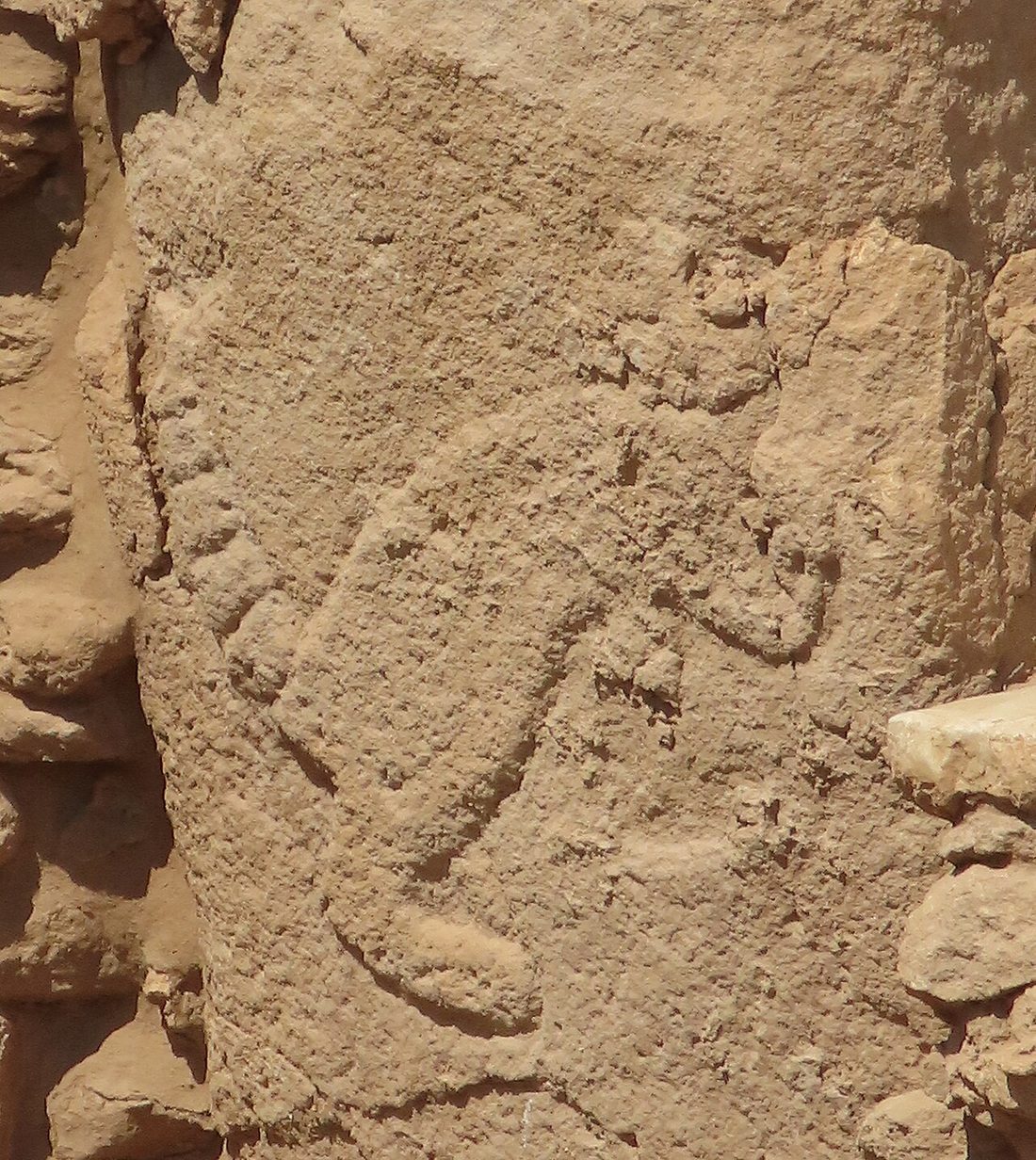
  33. Pillar carving · fox — Karahan Tepe, Structure AD
    Pillar carving · foxKarahan Tepe, Structure AD
  34. Pillar carving · human figure — Karahan Tepe, Structure AD
    Pillar carving · human figureKarahan Tepe, Structure AD
  35. Porthole stone and statue — Karahan Tepe, Area 08
    Porthole stone and statueKarahan Tepe, Area 08
  36. Head with a snake — Nevalı Çori (Şanlıurfa Museum)
    Head with a snakeNevalı Çori (Şanlıurfa Museum)
  37. Totem head — Nevalı Çori (Şanlıurfa Museum)
    Totem headNevalı Çori (Şanlıurfa Museum)
  38. Stela — Nevalı Çori (Şanlıurfa Museum)
    StelaNevalı Çori (Şanlıurfa Museum)
  39. Stela — Karahan Tepe (Şanlıurfa Museum)
    StelaKarahan Tepe (Şanlıurfa Museum)
Later carvings · second millennium CE

Rapanui traditions

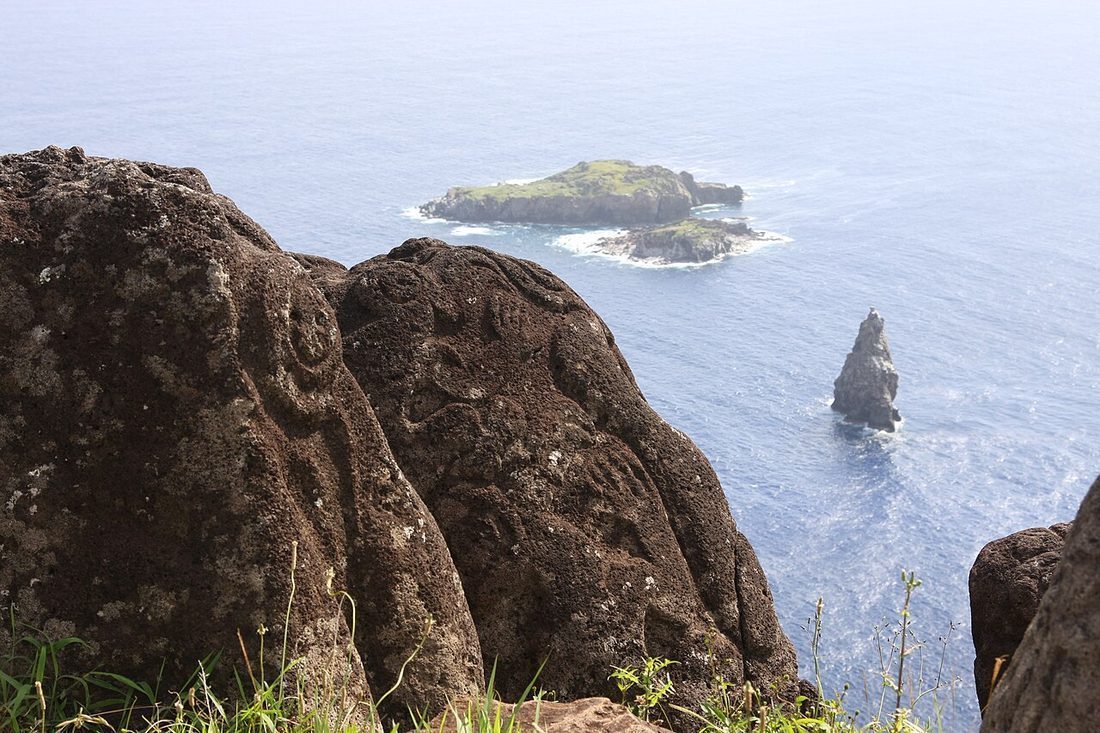
Orongo and the wider island, with carvings held in the British Museum and other collections.

33 registered photographs

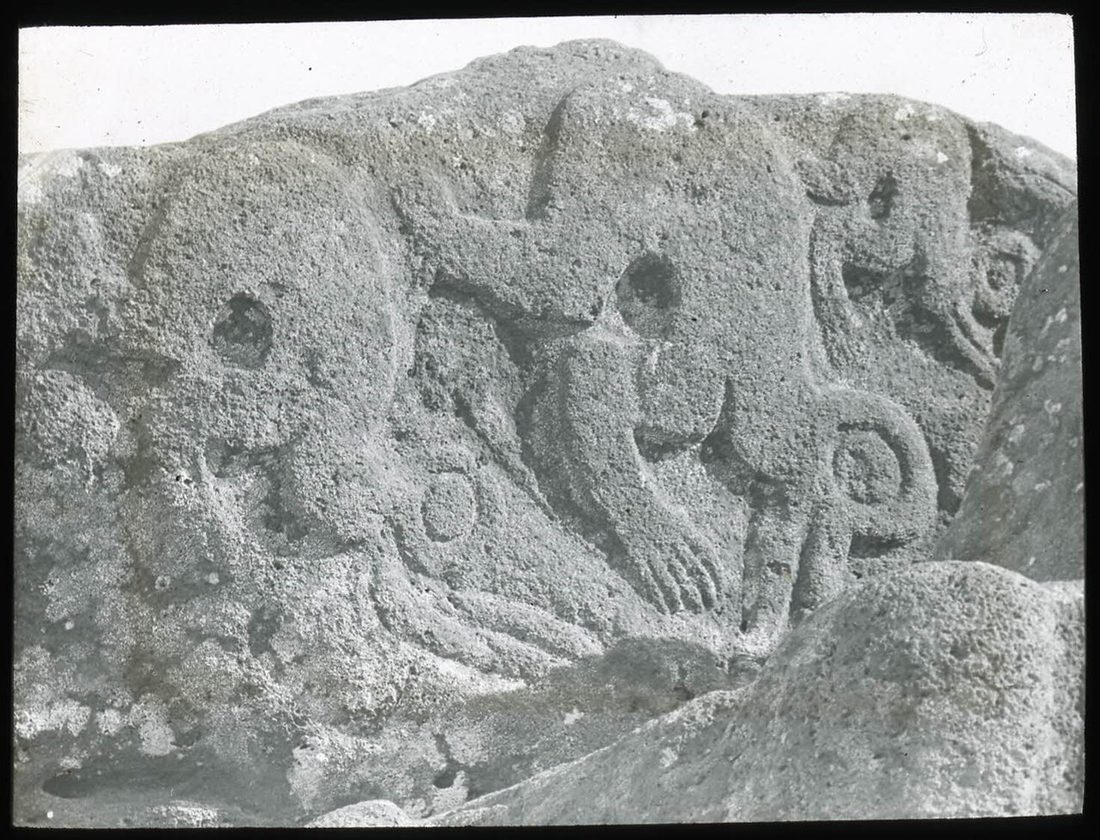
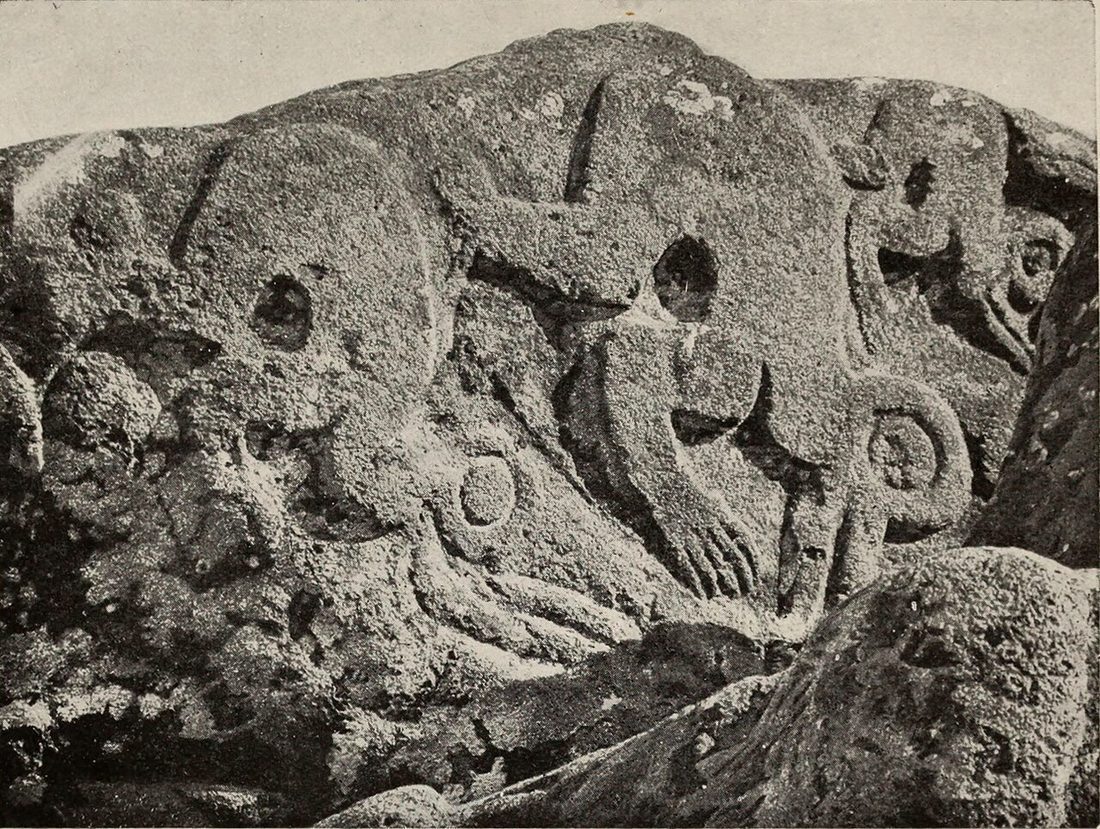
  1. The Orongo birdman boulder — Orongo, Rapa Nui
    The Orongo birdman boulderOrongo, Rapa Nui
  2. Orongo rock with birdmen — Orongo, Rapa Nui
    Orongo rock with birdmenOrongo, Rapa Nui
  3. Three birdmen · Mata Ngarau — Orongo, Rapa Nui
    Three birdmen · Mata NgarauOrongo, Rapa Nui
  4. Birdman petroglyph — Orongo, Rapa Nui
    Birdman petroglyphOrongo, Rapa Nui
  5. Birdman — Rapa Nui
    BirdmanRapa Nui
  6. Birdman, carved panel — Rapa Nui
    Birdman, carved panelRapa Nui
  7. Birdmen at Orongo village — Orongo, Rapa Nui
    Birdmen at Orongo villageOrongo, Rapa Nui
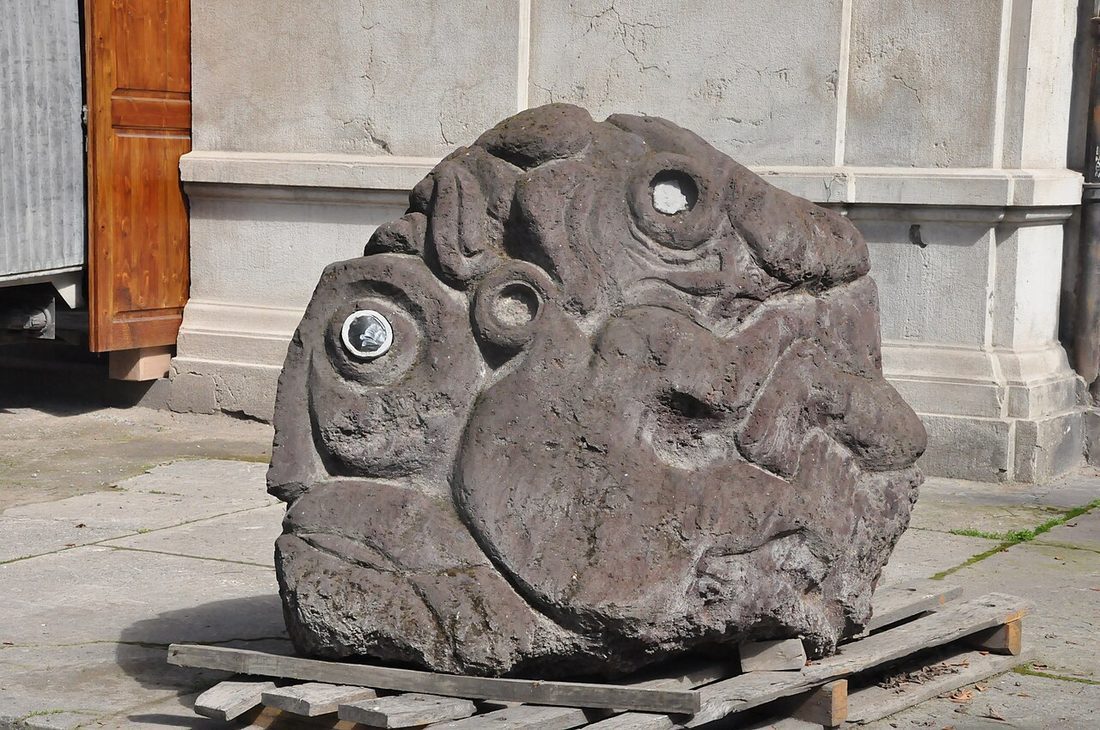
  8. Makemake face — Rapa Nui
    Makemake faceRapa Nui
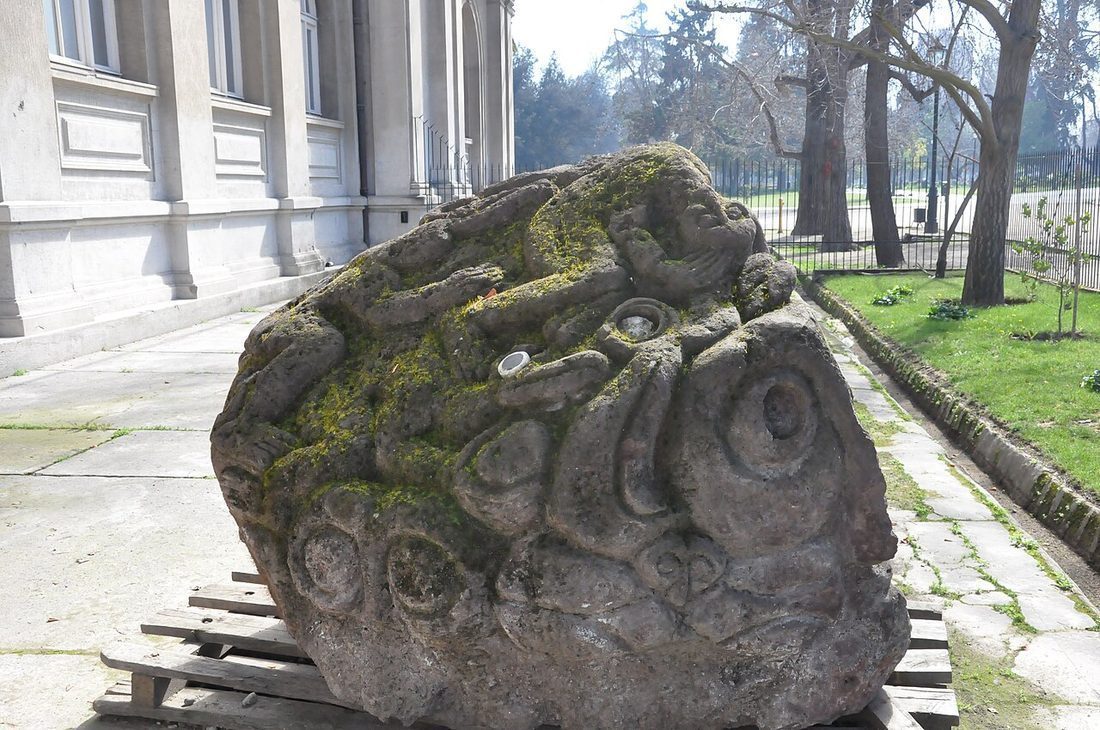
  9. Makemake face, second view — Rapa Nui
    Makemake face, second viewRapa Nui
  10. Make-make — Rapa Nui
    Make-makeRapa Nui
  11. Papa Vaka — Rapa Nui
    Papa VakaRapa Nui
  12. Papa Vaka, second view — Rapa Nui
    Papa Vaka, second viewRapa Nui
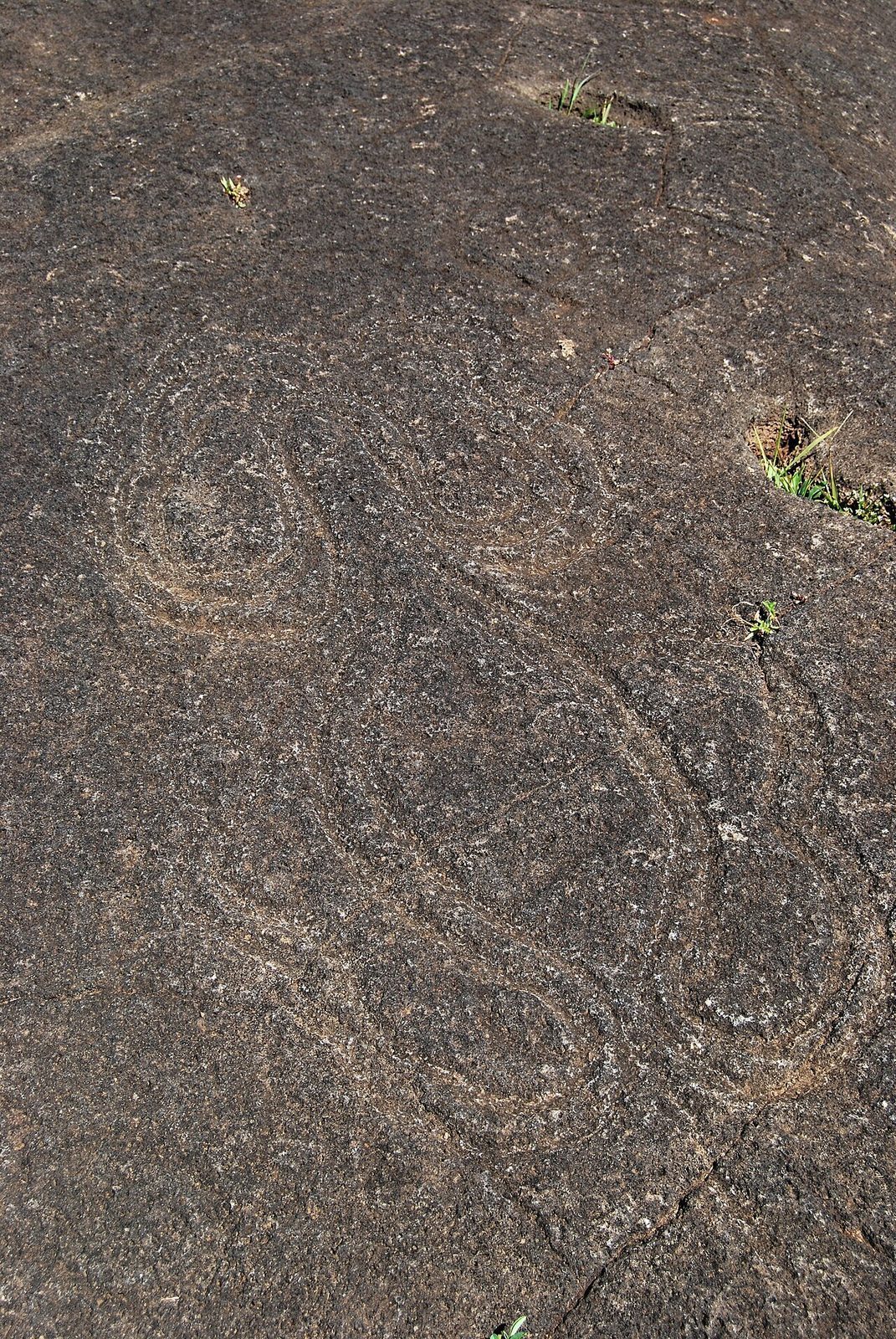
  13. Rapa Nui petroglyphs 01 — Rapa Nui
    Rapa Nui petroglyphs 01Rapa Nui
  14. Rapa Nui petroglyphs 03 — Rapa Nui
    Rapa Nui petroglyphs 03Rapa Nui
  15. Rapa Nui petroglyphs 05 — Rapa Nui
    Rapa Nui petroglyphs 05Rapa Nui
  16. Petroglyphs, Isla de Pascua — Rapa Nui
    Petroglyphs, Isla de PascuaRapa Nui
  17. Petroglyph at Ahu Tongariki — Rapa Nui
    Petroglyph at Ahu TongarikiRapa Nui
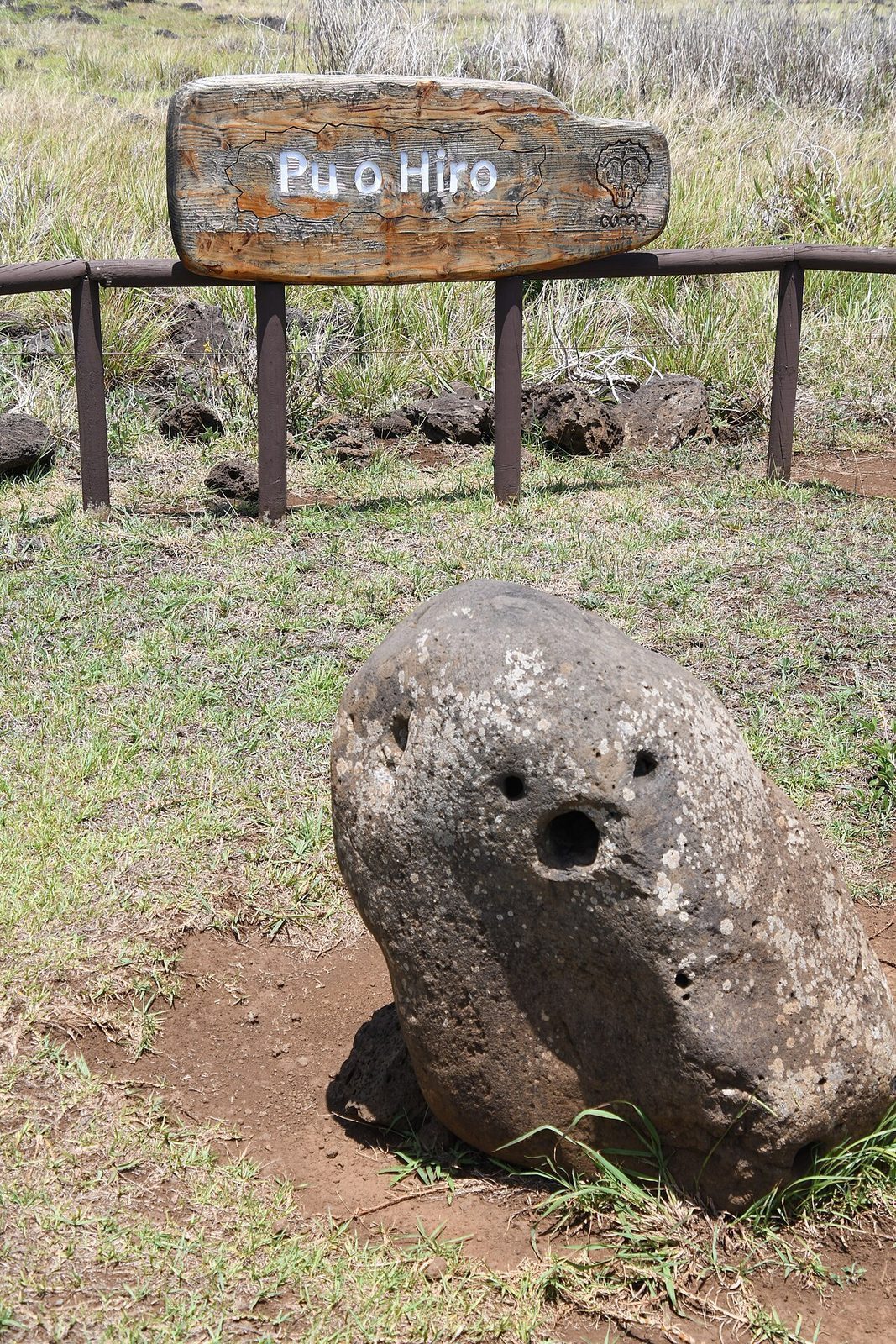
  18. Pu o Hiro — Rapa Nui
    Pu o HiroRapa Nui
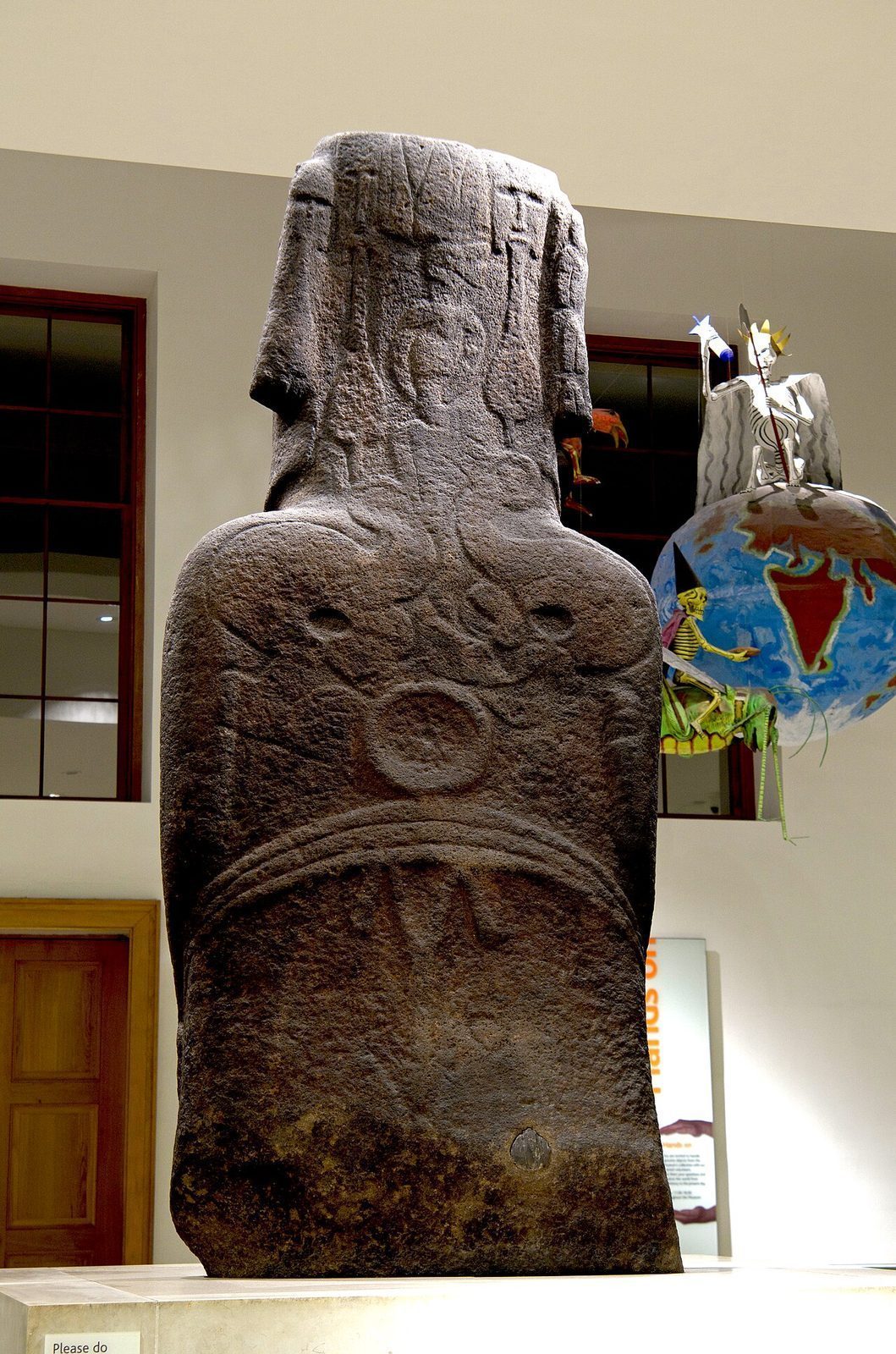
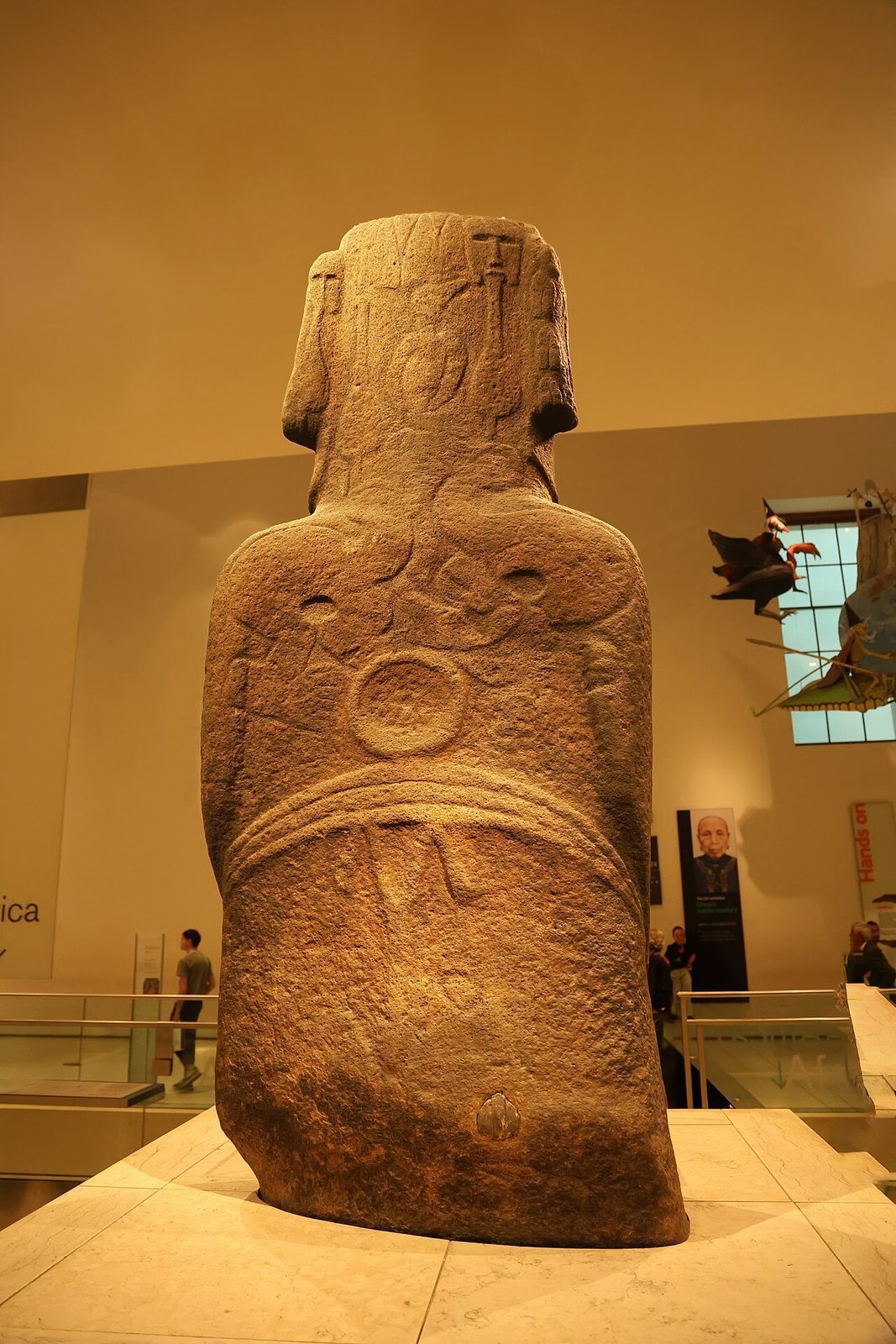
  19. Hoa Hakananai'a · back — British Museum (from Orongo)
    Hoa Hakananai'a · backBritish Museum (from Orongo)
  20. Hoa Hakananai'a · back, second view — British Museum (from Orongo)
    Hoa Hakananai'a · back, second viewBritish Museum (from Orongo)
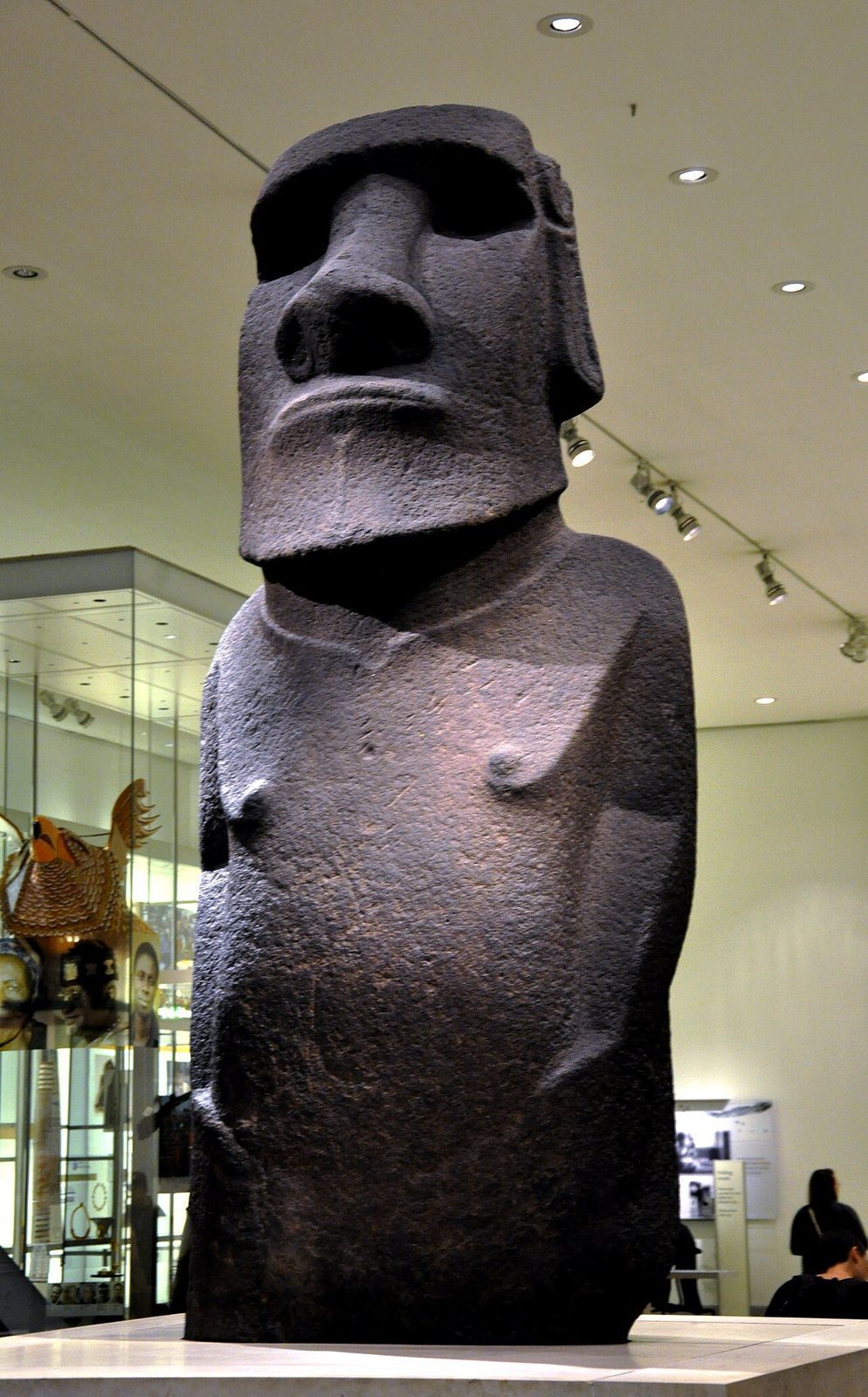
  21. Hoa Hakananai'a · front — British Museum (from Orongo)
    Hoa Hakananai'a · frontBritish Museum (from Orongo)
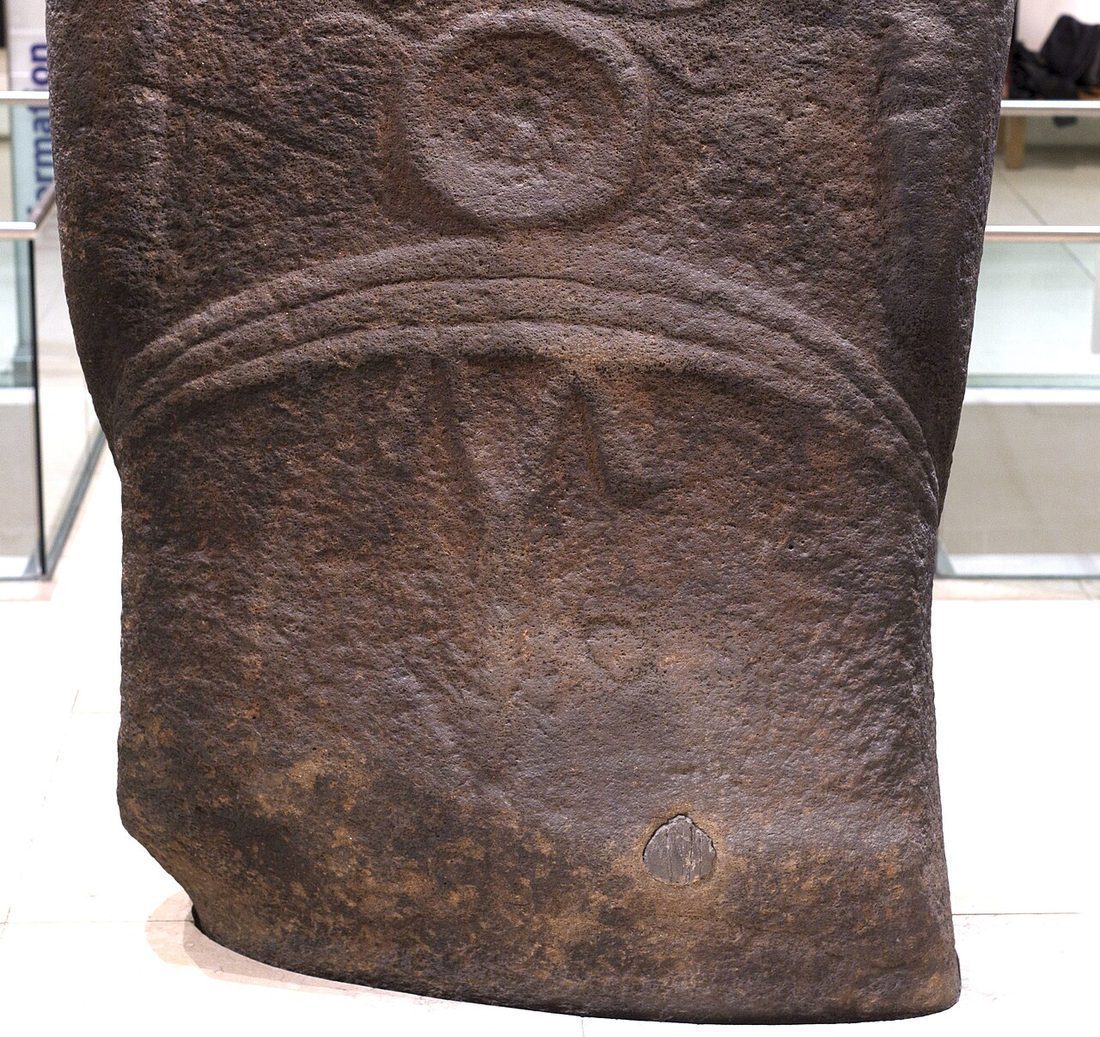
  22. Hoa Hakananai'a · lower back — British Museum (from Orongo)
    Hoa Hakananai'a · lower backBritish Museum (from Orongo)
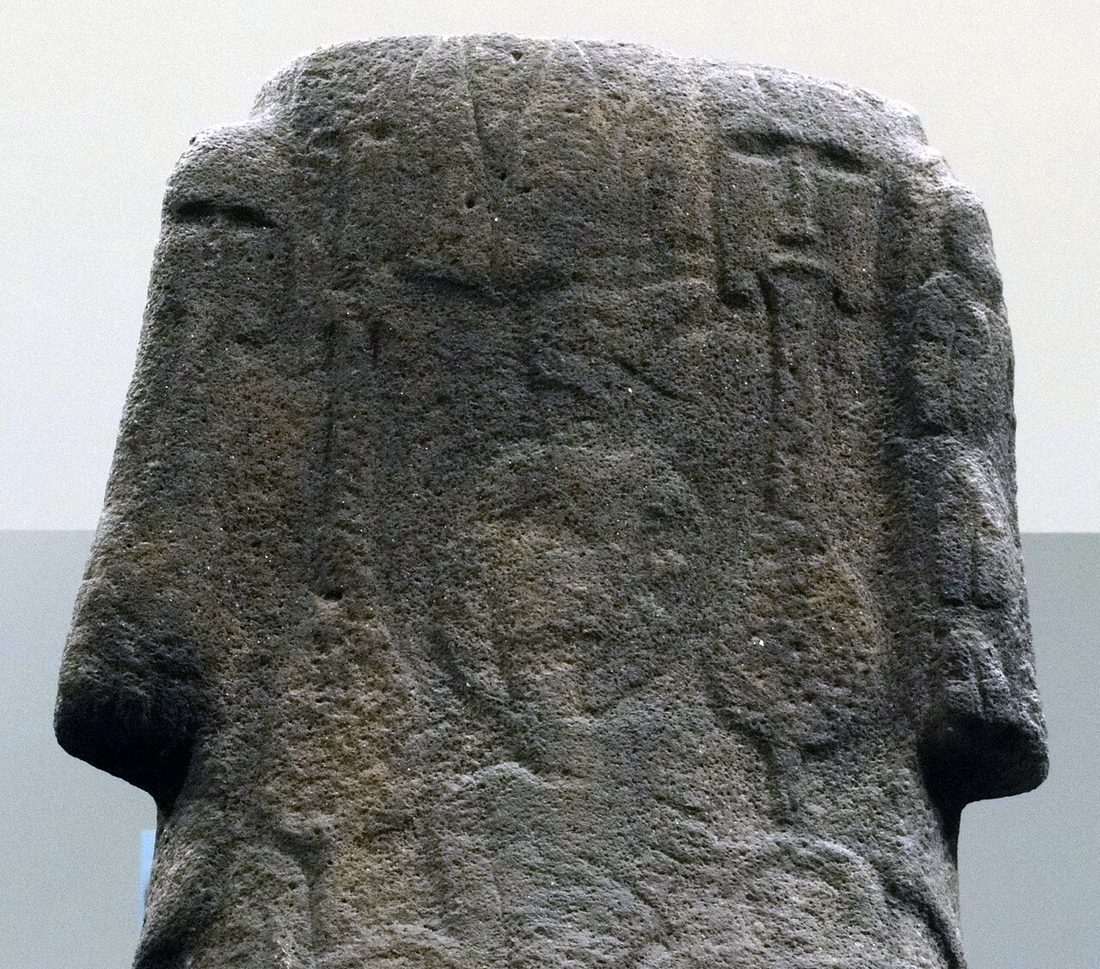
  23. Hoa Hakananai'a · rear of head — British Museum (from Orongo)
    Hoa Hakananai'a · rear of headBritish Museum (from Orongo)
  24. Hoa Hakananai'a · hands — British Museum (from Orongo)
    Hoa Hakananai'a · handsBritish Museum (from Orongo)
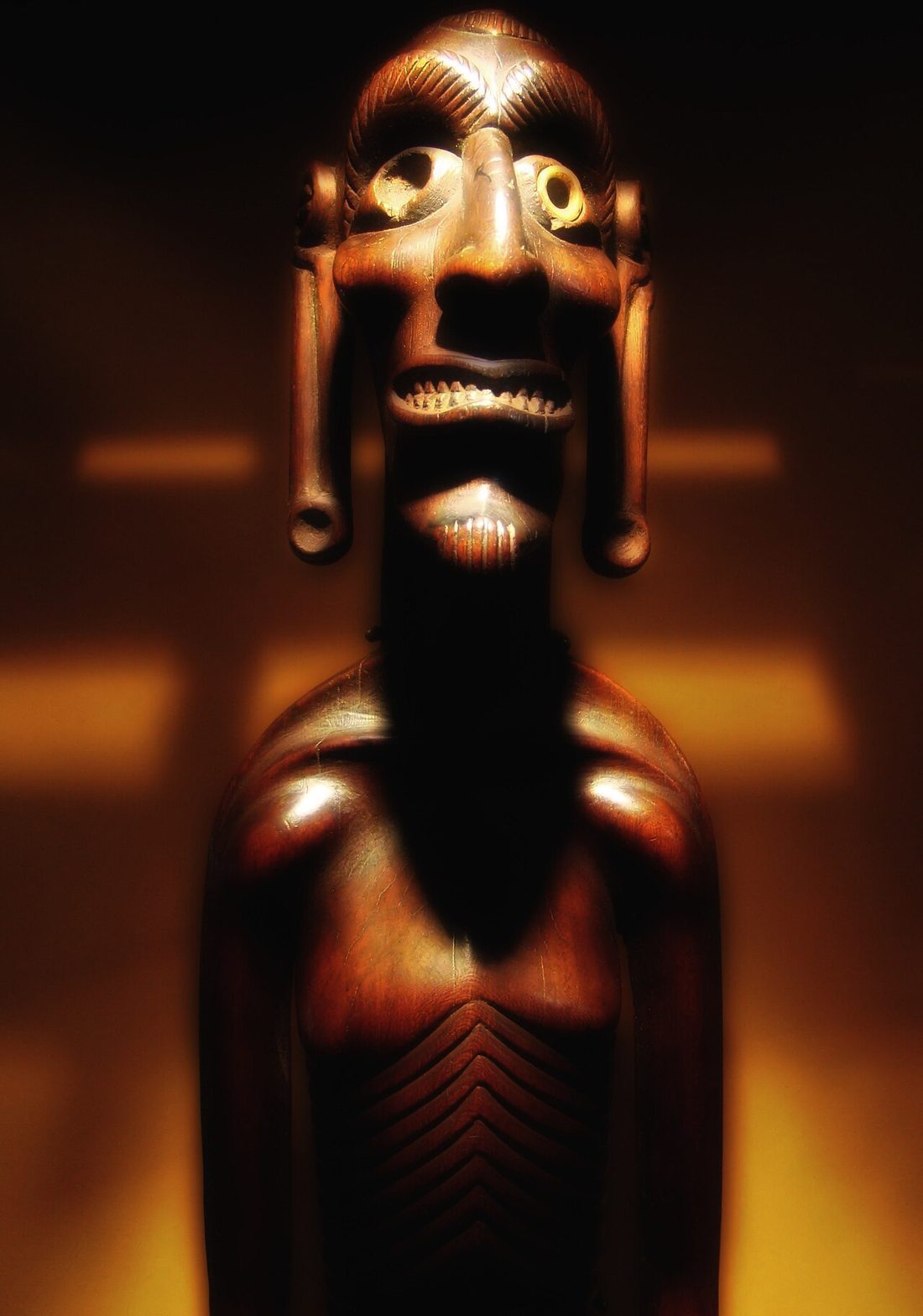
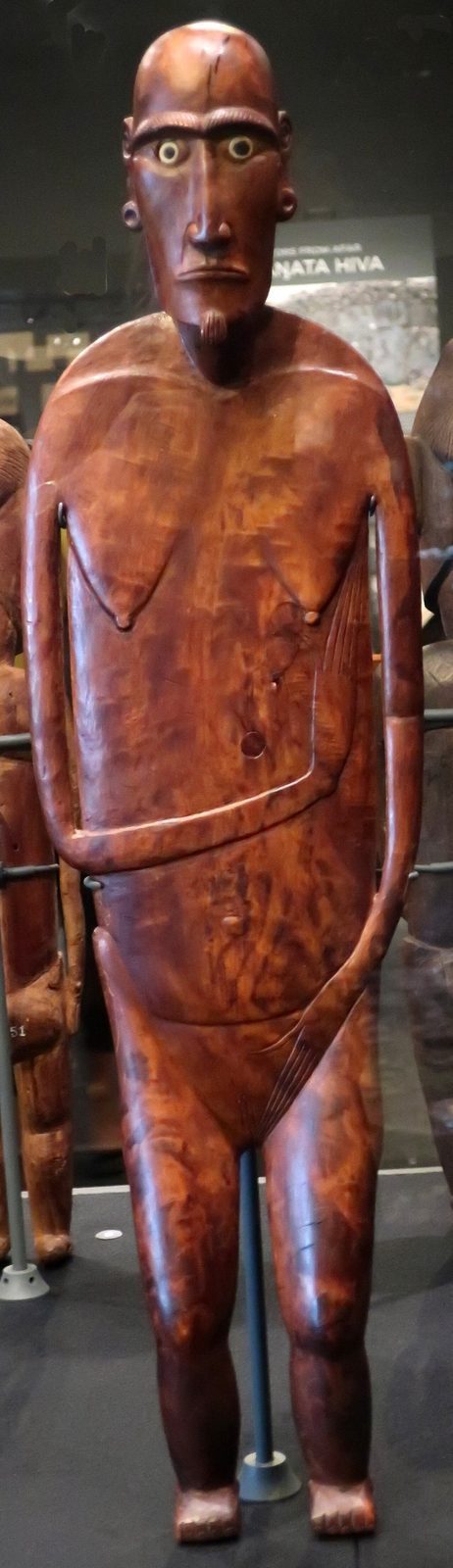
  25. Moai kavakava — Rapa Nui (museum)
    Moai kavakavaRapa Nui (museum)
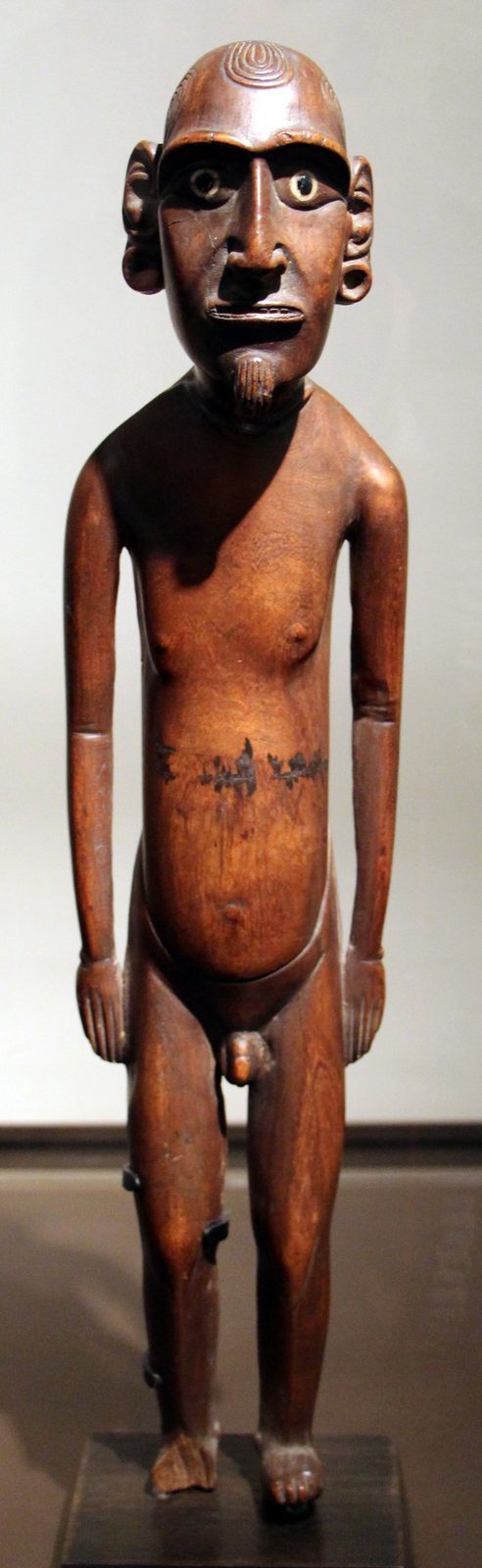
  26. Moai kavakava, standing figure — Rapa Nui (museum)
    Moai kavakava, standing figureRapa Nui (museum)
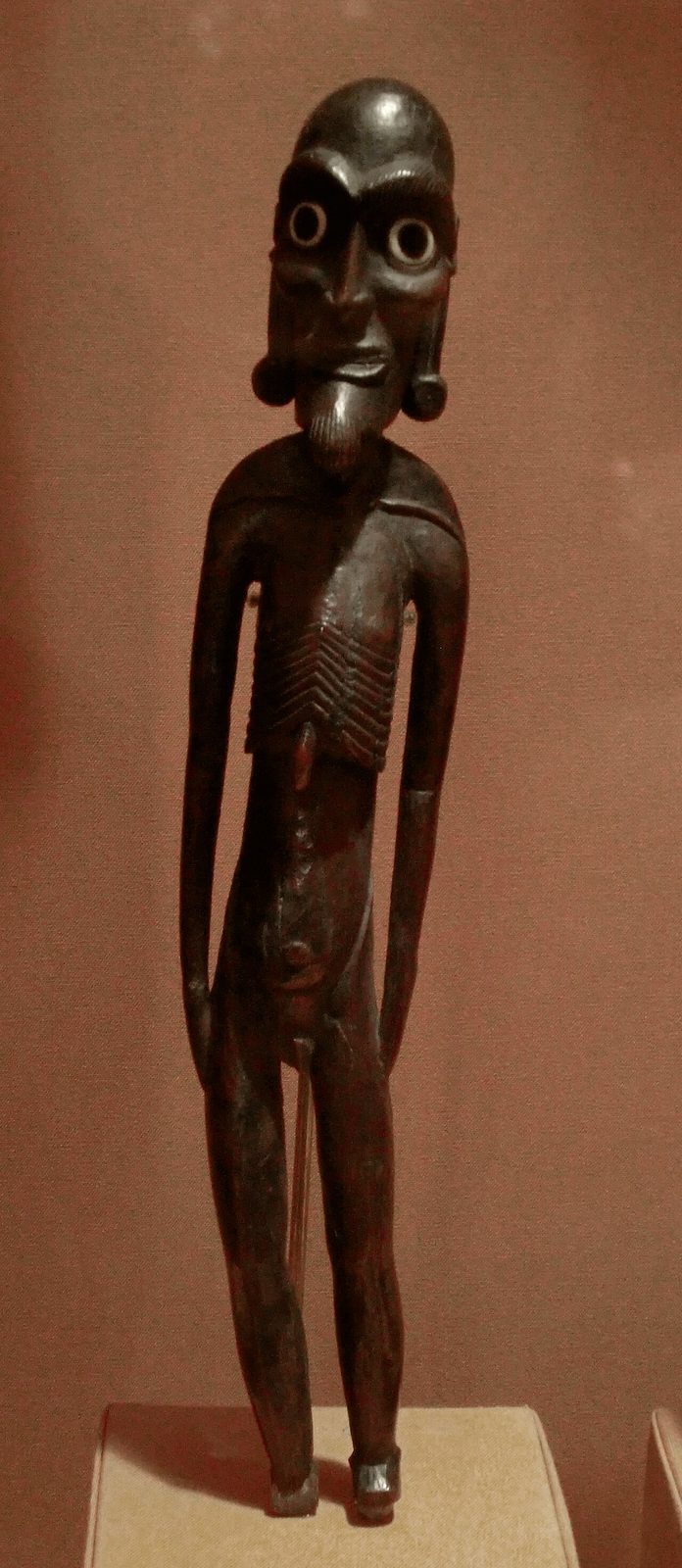
  27. Moai kavakava, skeletal figure — Rapa Nui (museum)
    Moai kavakava, skeletal figureRapa Nui (museum)
  28. Moai pa'a pa'a — Rapa Nui (Bishop Museum)
    Moai pa'a pa'aRapa Nui (Bishop Museum)
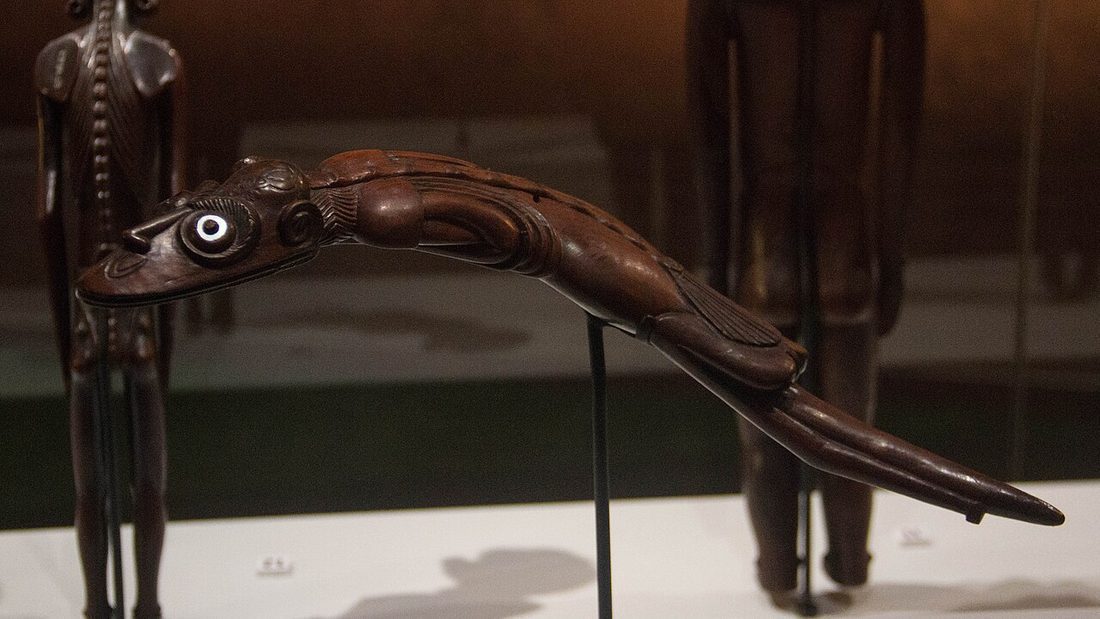
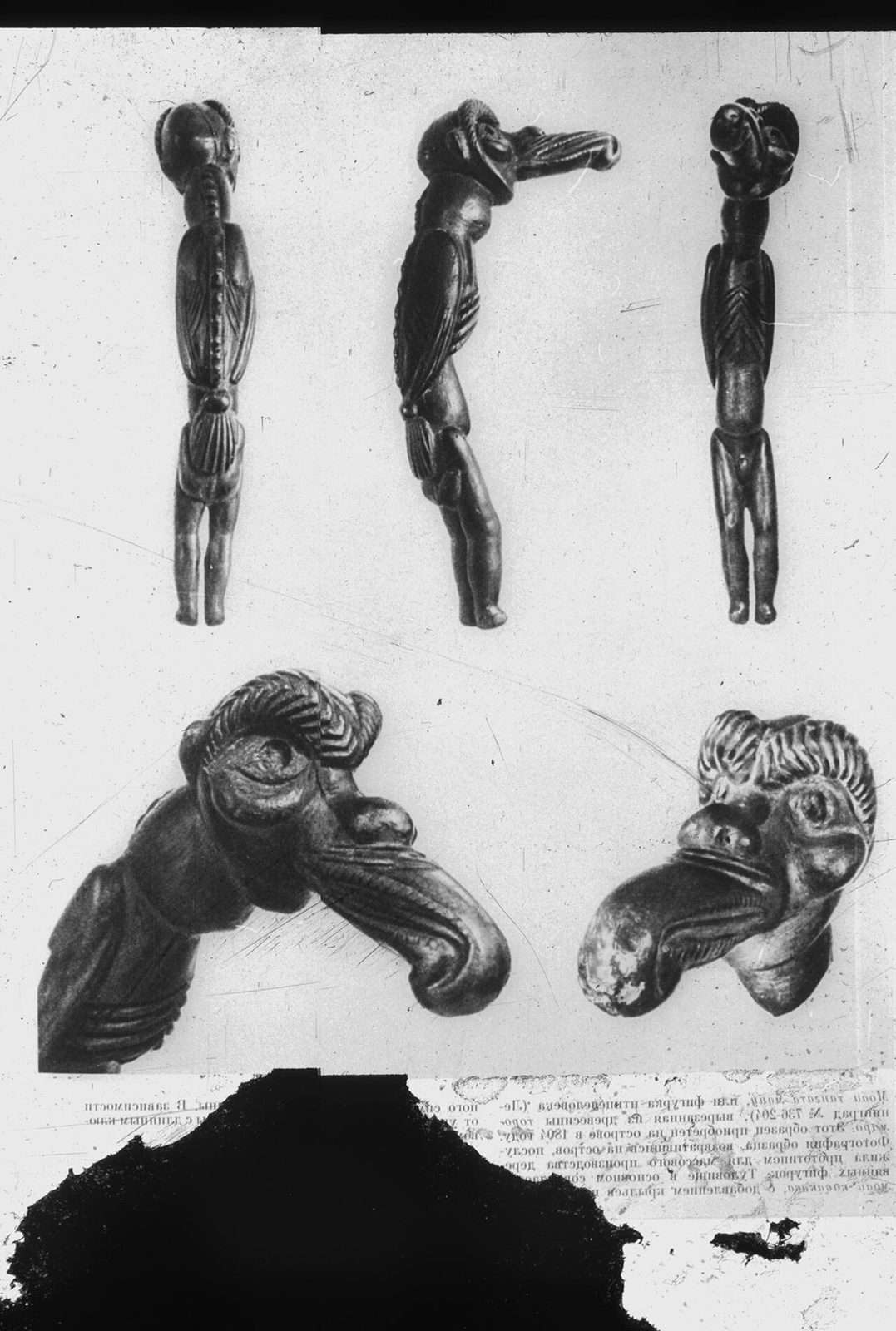
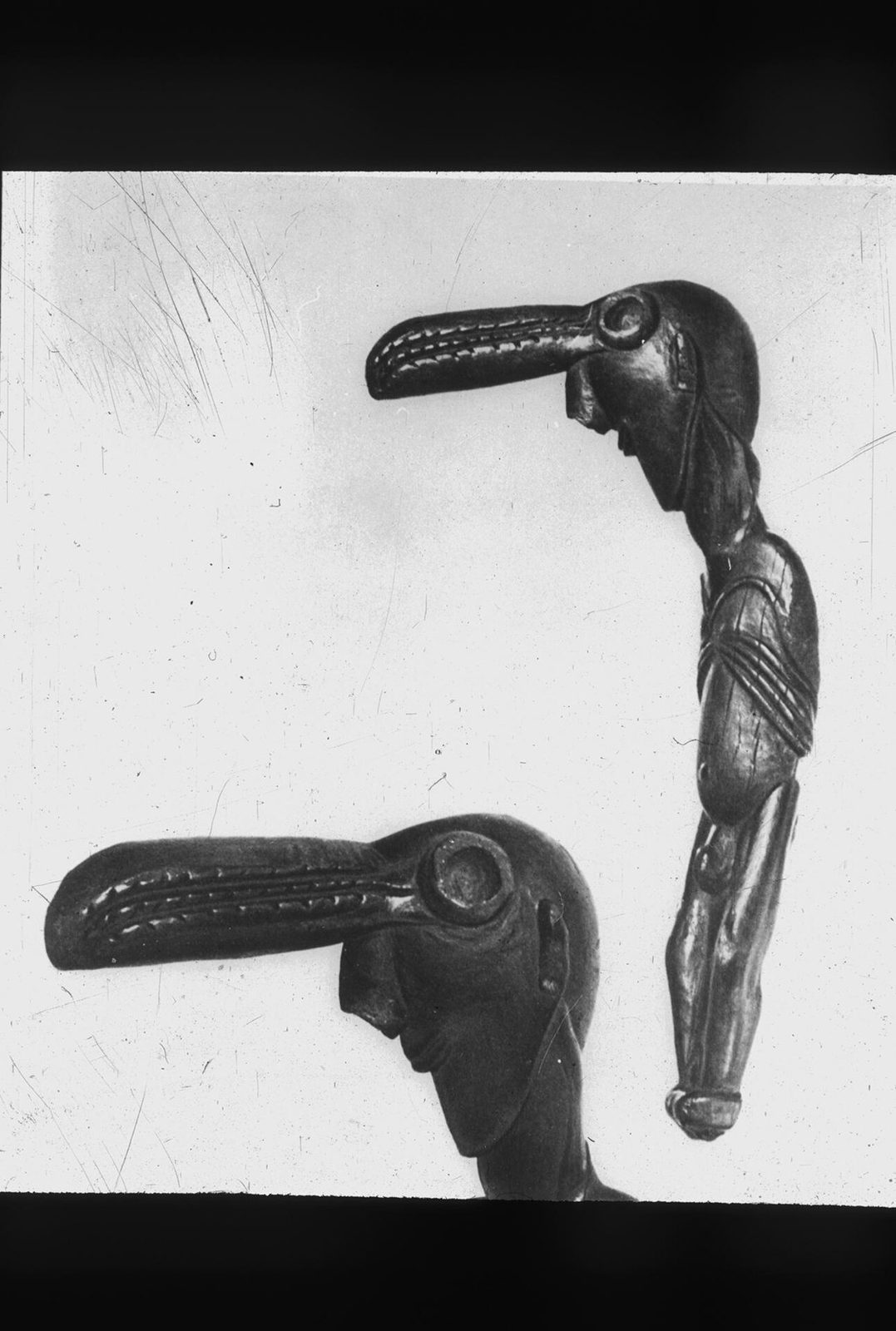
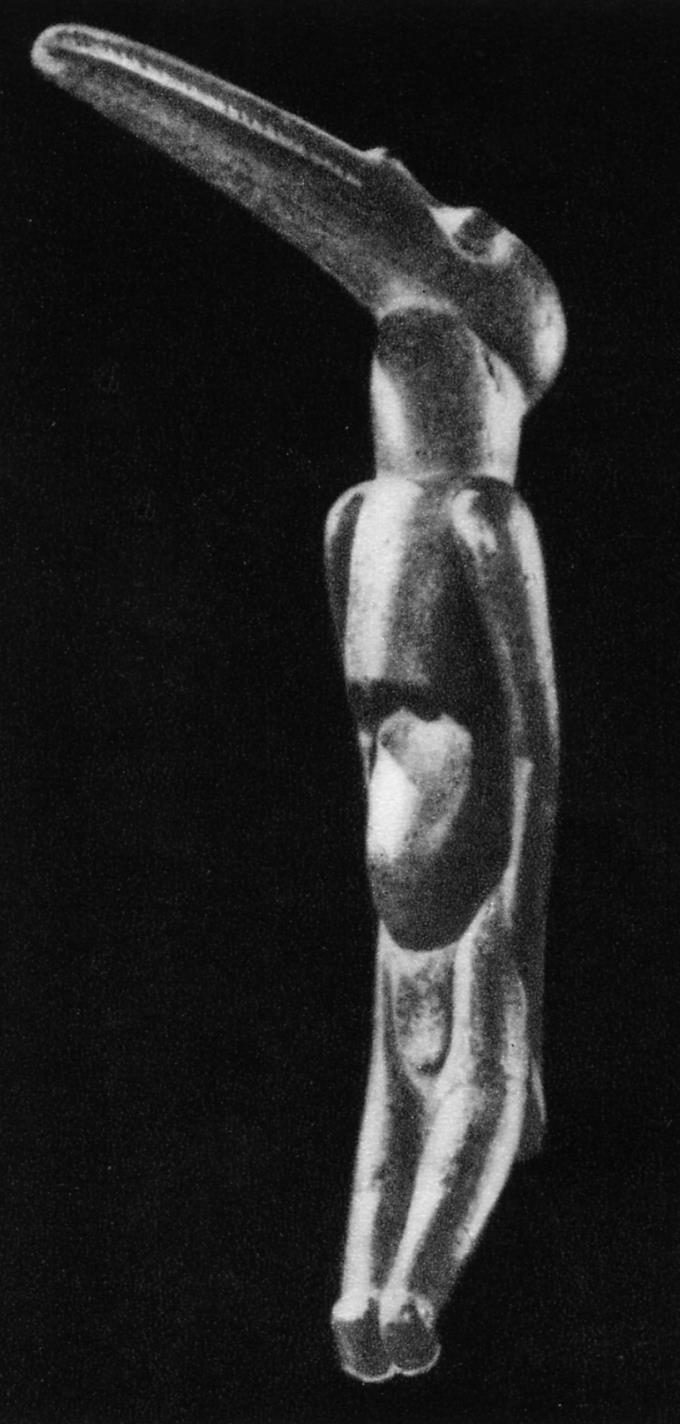
  29. Moai tangata manu — Rapa Nui (museum)
    Moai tangata manuRapa Nui (museum)
  30. Birdman dance mask — Rapa Nui (museum)
    Birdman dance maskRapa Nui (museum)
  31. Rongorongo · birdman glyphs — Rapa Nui
    Rongorongo · birdman glyphsRapa Nui
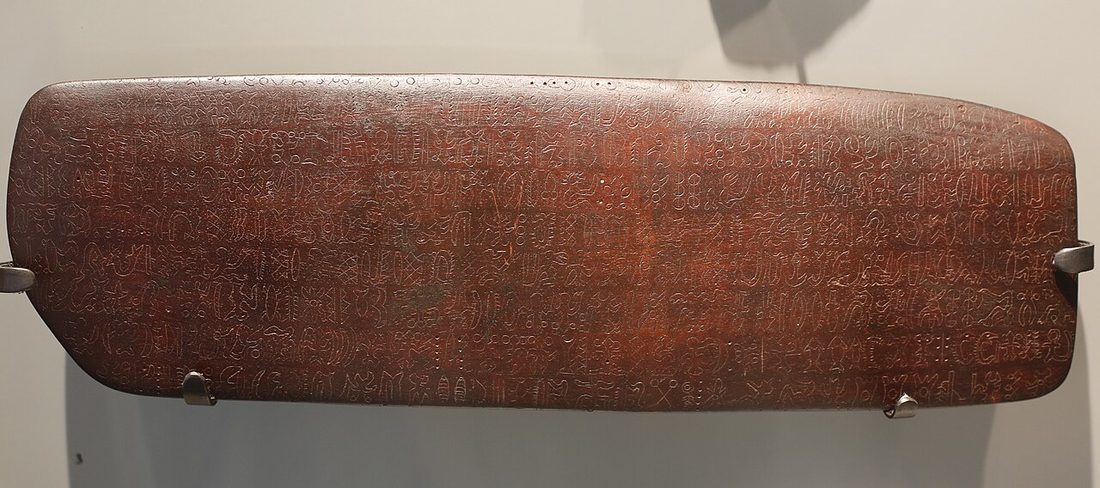
  32. Rongorongo tablet — Rapa Nui (museum)
    Rongorongo tabletRapa Nui (museum)
  33. Moai tangata moko — Rapa Nui (museum)
    Moai tangata mokoRapa Nui (museum)
The two stones the comparison rests on

Back among their neighbours.

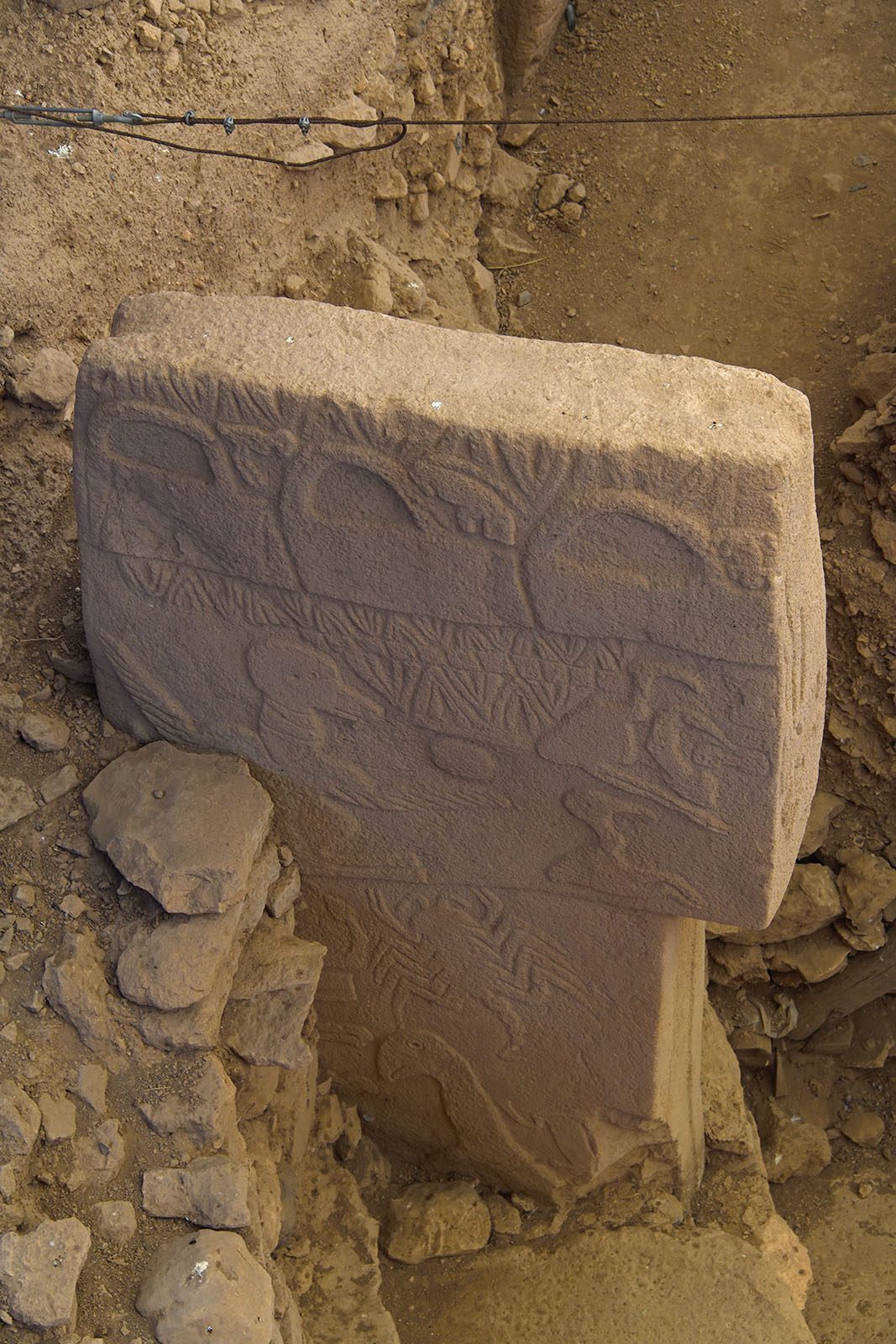
These are the two carvings the Göbekli Tepe–Rapa Nui comparison actually rests on. Seen alone they are striking. The walls above are the context that decides how much that is worth.

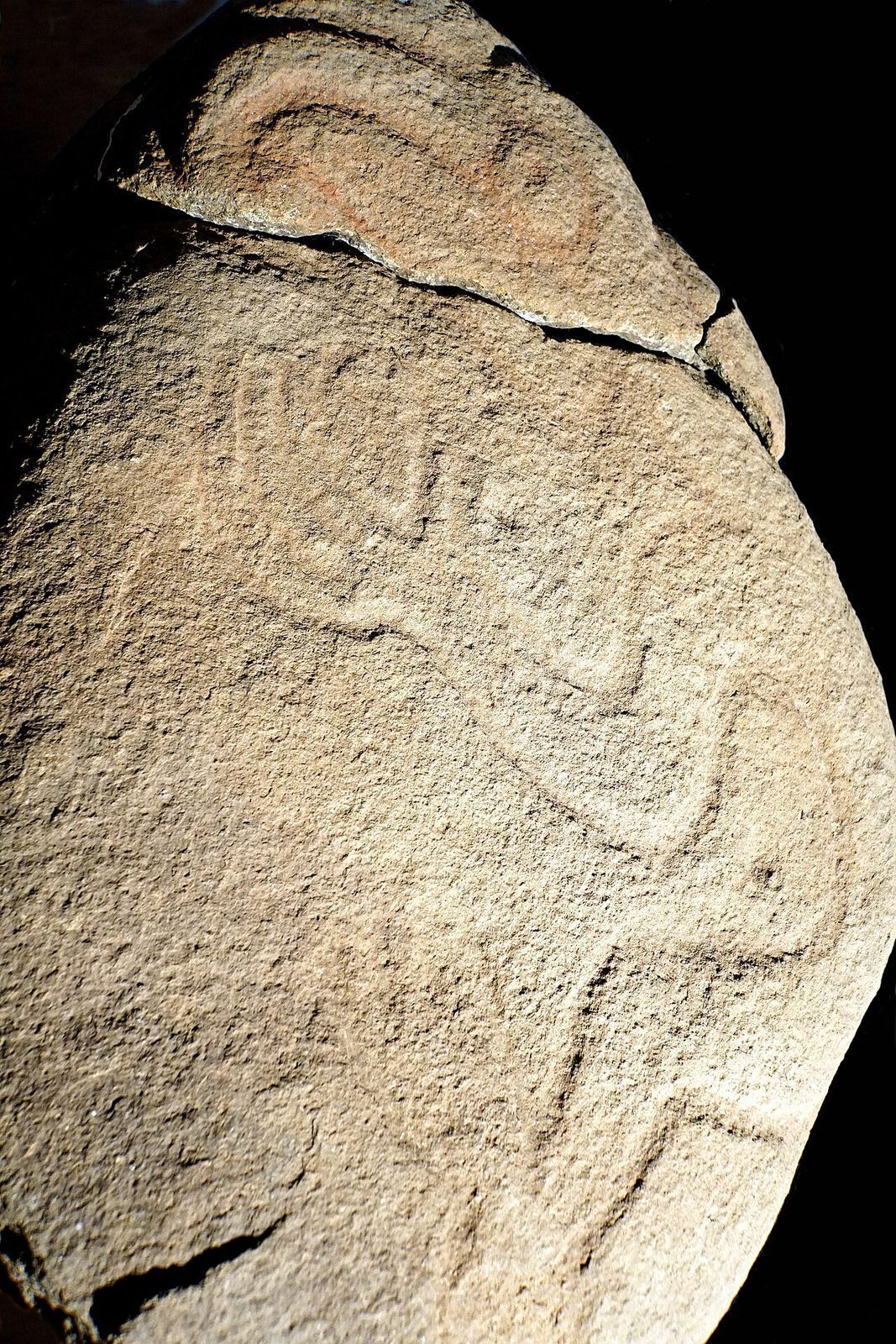
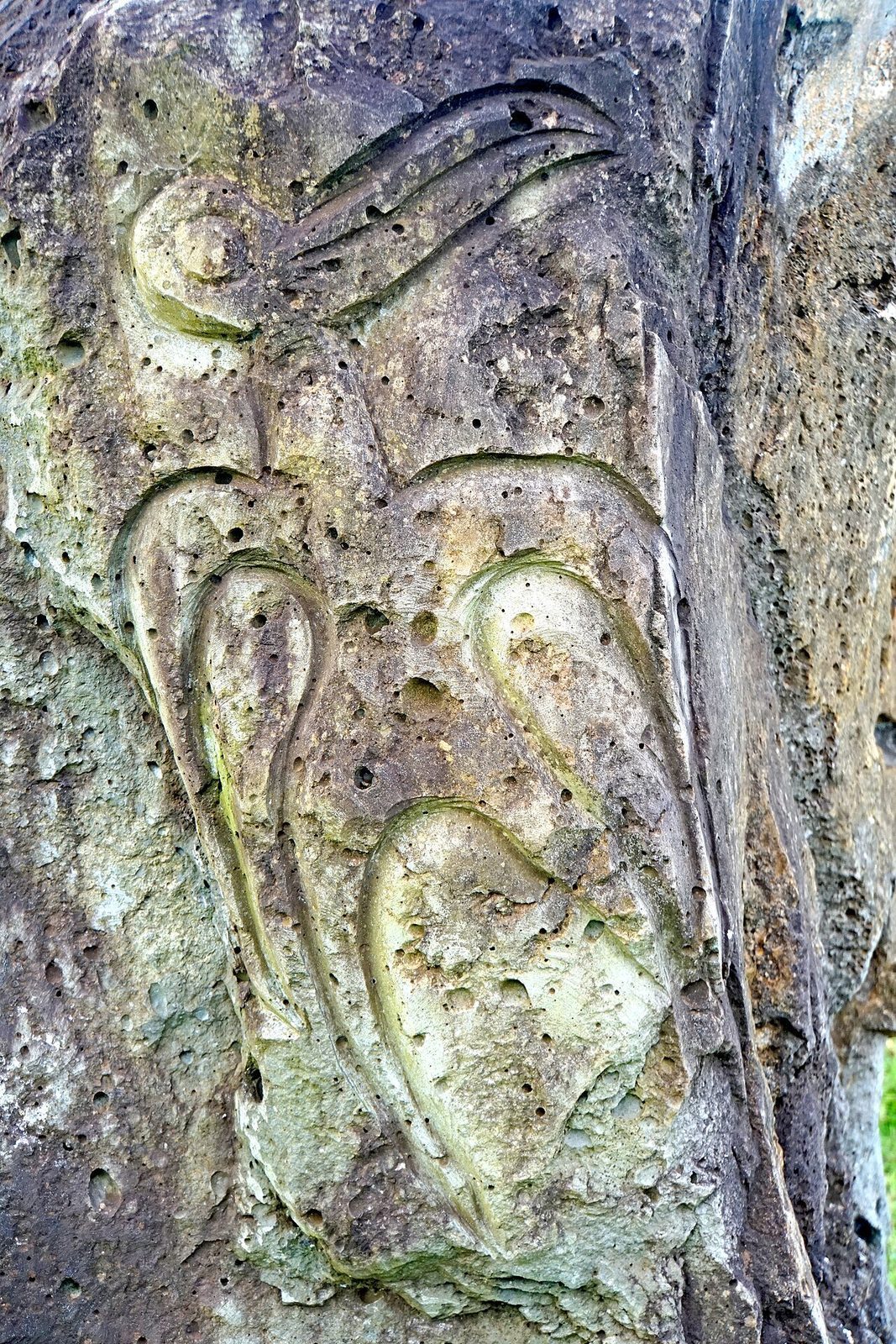
Pillar 43 — Göbekli Tepe, Enclosure D
Pillar 43Göbekli Tepe, Enclosure D
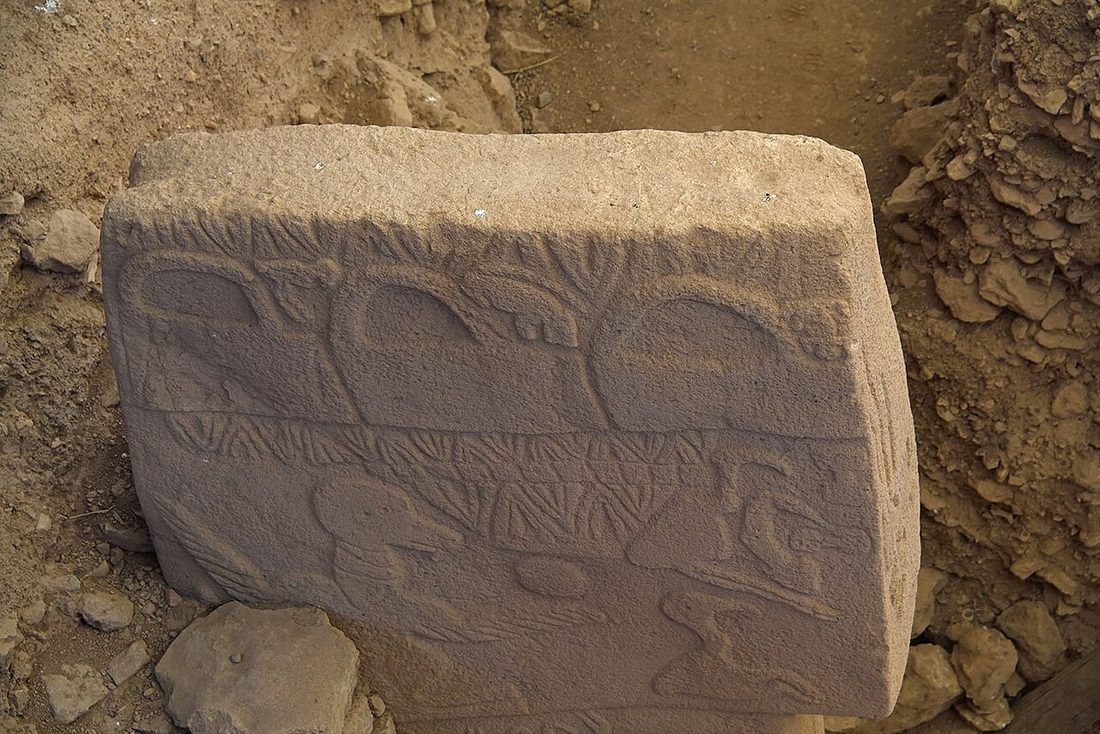
The vulture, the disc, the arched forms, a scorpion and a headless figure share one face.
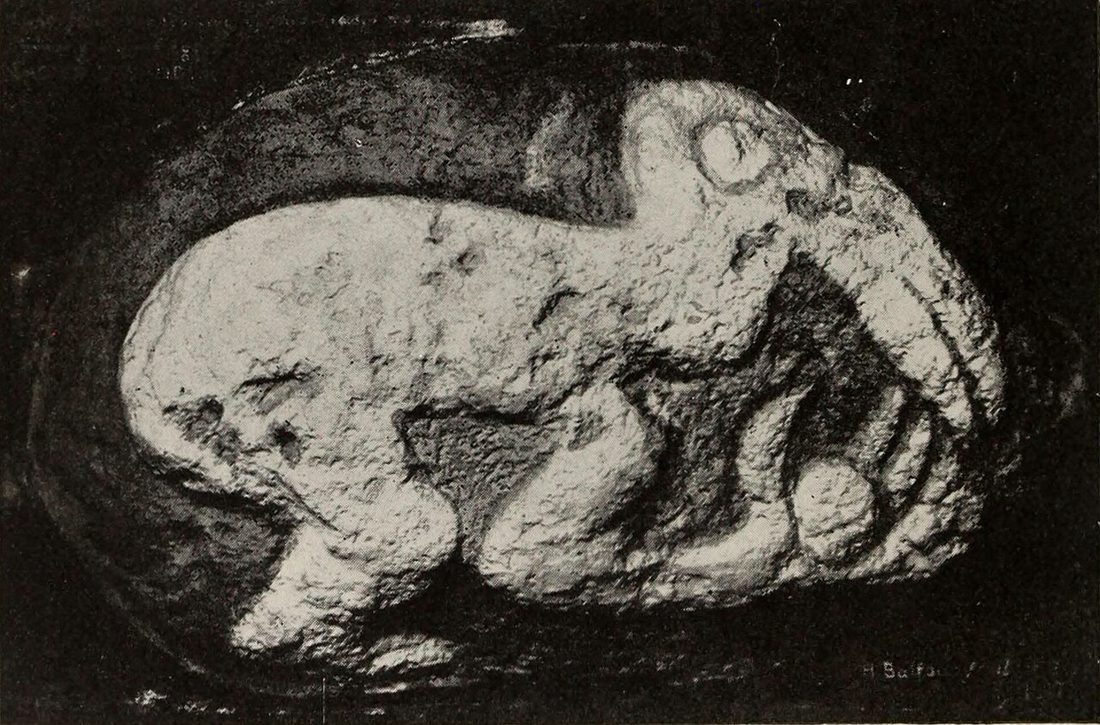
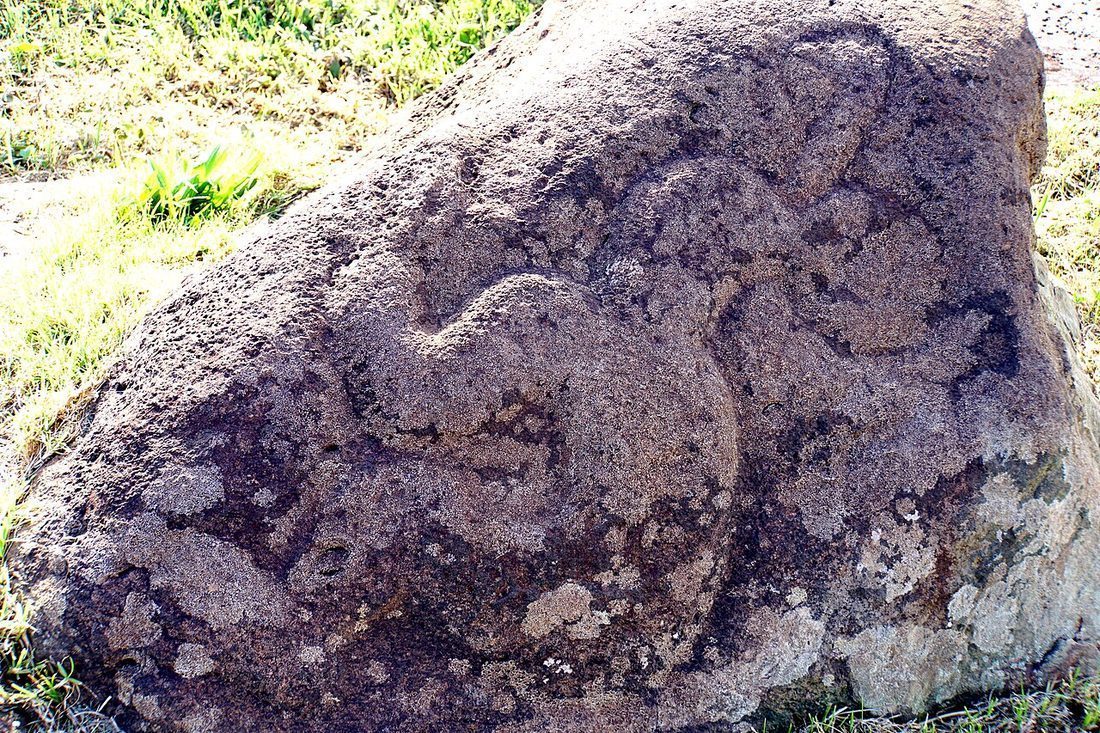
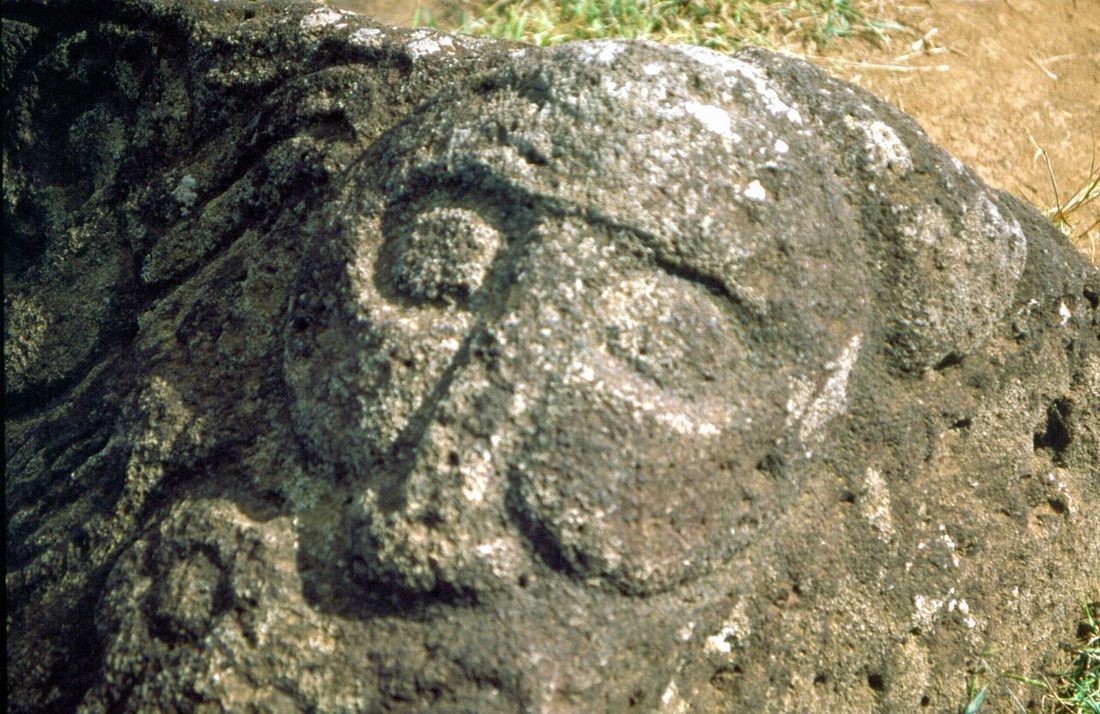
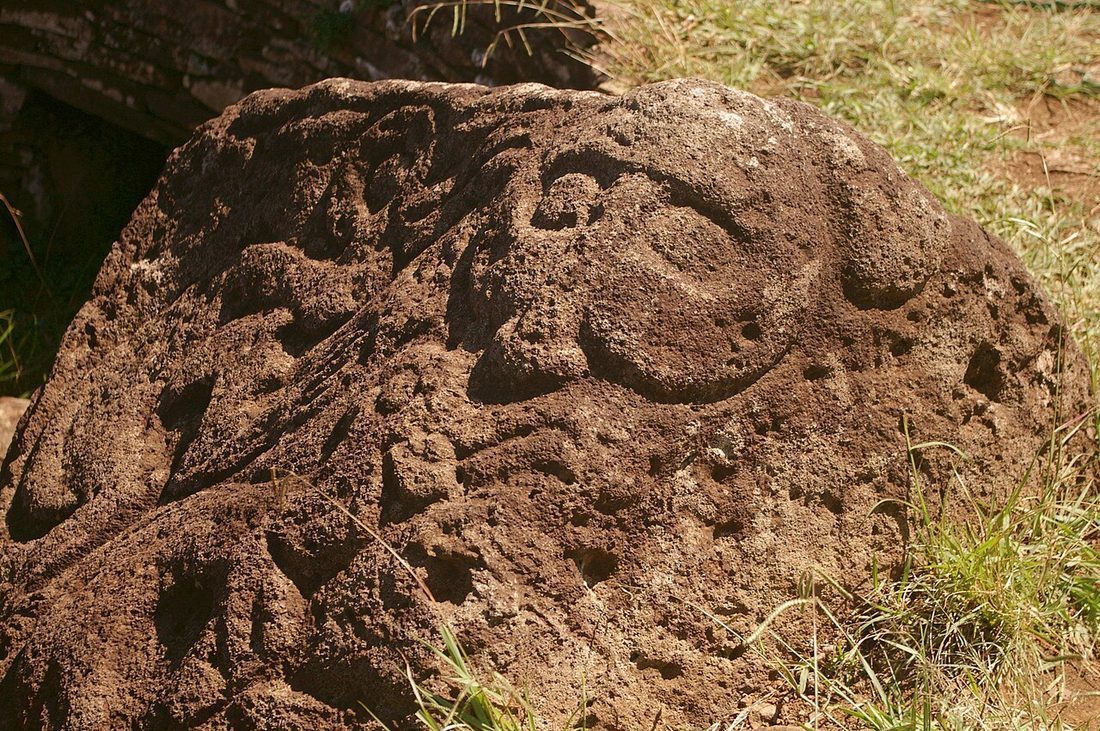
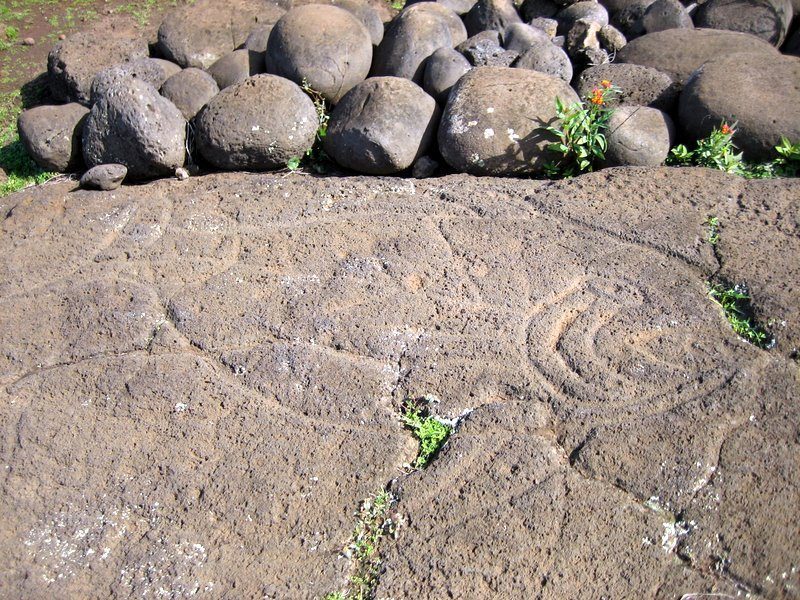
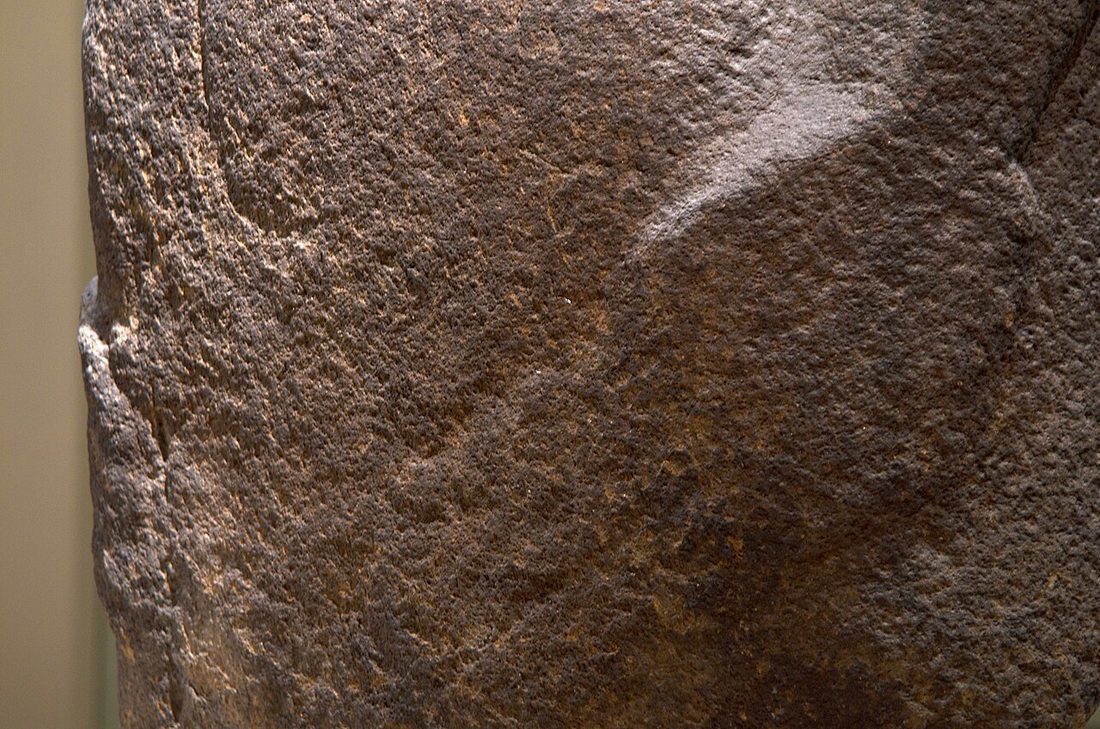
The Orongo birdman boulder — Orongo, Rapa Nui
The Orongo birdman boulderOrongo, Rapa Nui
A birdman in low relief with a rounded form at the bent hand; the 1919 caption reads it as an egg.
Why the motif lives here

Each side has a local story.

Before a resemblance can cross an ocean it has to survive the question of why each side would produce it anyway. The two answers here are not symmetrical.

10th–9th millennia BCE · Pre-Pottery Neolithic

Neolithic Anatolia

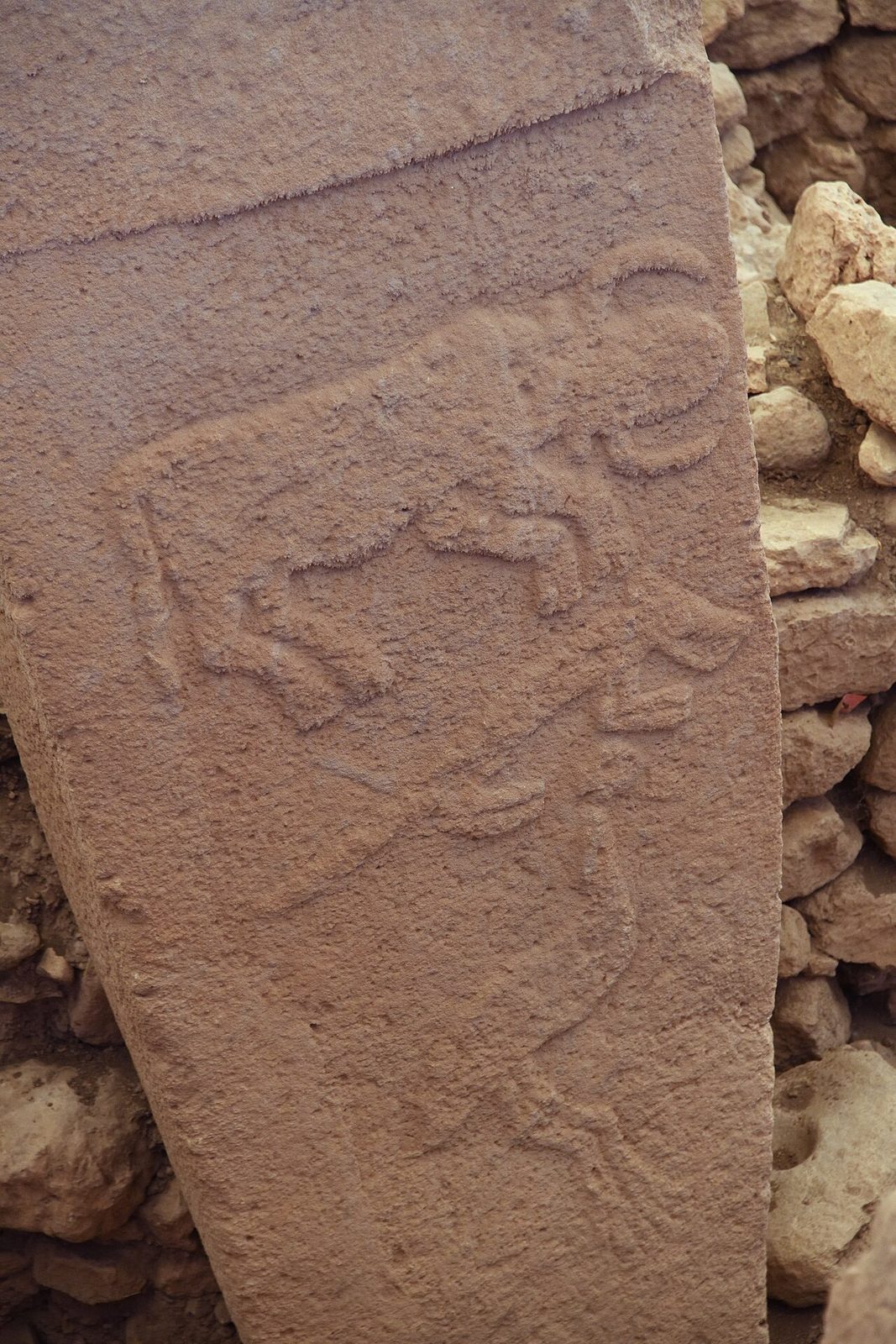
The carved repertoire here is overwhelmingly animal: foxes, boars, aurochs, snakes, scorpions, spiders, leopards and cranes, arranged on and around T-shaped pillars that are themselves abstracted human bodies, with arms, hands and belts. Birds are one animal among many rather than the subject of the imagery, and no documented ritual explains the disc on Pillar 43. What the carvings meant is exactly what the excavators say remains open.

Pillar 43: of animals and a headless man · The excavation team’s own discussion of the animals and the competing readings of the disc.

Later carvings · second millennium CE

Rapanui traditions

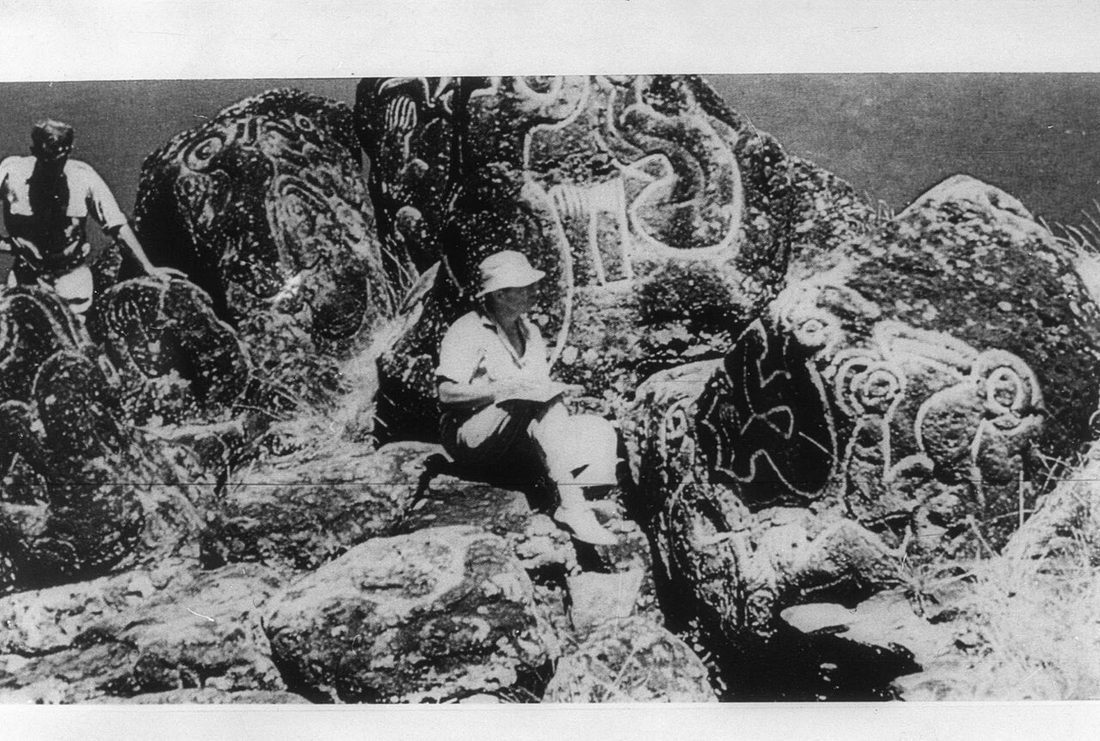
Rapa Nui has a documented reason to carve birdmen holding rounded forms. At Orongo, an annual competition sent servants to swim to the islet of Motu Nui and return with the first egg of the manutara, the sooty tern; the sponsor of the winner became the tangata manu, the birdman, for that year. The densest birdman carvings cluster at Mata Ngarau, the ceremonial outcrop above that competition. A bird beside an egg is the subject of the ritual itself.

Hoa Hakananai'a: collection record · The museum record for the statue taken from Orongo, and its later birdman carvings.

The interval

Ten thousand years.

Only dates already registered in this collection are drawn. An unresolved date cannot be plotted, and is listed below instead.

The interval between the two repertoires Every registered episode on one linear scale from 10,000 BCE to 2000 CE. The table below carries the same dates as text. 10,000 BCE8,000 BCE6,000 BCE4,000 BCE2,000 BCE0 CE2,000 CEGöbekli Tepe · site contextHoa Hakananai'a · statueOrongo birdman boulderGöbekli Tepe · site contextHoa Hakananai'a · statueOrongo birdman boulder
Registered dated episodes
EpisodeWhat the date describes
Göbekli Tepe · site contextBroad published site context for the enclosures. No direct measurement dates an individual carving.
Hoa Hakananai'a · statueMuseum estimate for the making of the statue; the catalogue estimate is itself disputed.
Orongo birdman boulderCatalogue estimate for the boulder with a rounded form at the bent hand.
The birdmen on the statue’s backDate unresolved. The carvings were added to an older statue; the statue’s date is not theirs.
How this page was built

The rule,
before the looking.

Files were listed from fixed Wikimedia Commons categories for each tradition, before any of them were looked at. A file was kept if it is a photograph in which one carved or painted surface is the subject and legible enough to say what is and is not visible on it. Undecorated pillars were kept deliberately: they belong to the population the question is asked against.

Photographic coverage is not corpus coverage. The published corpora are far larger than what Commons holds — Göbekli Tepe’s excavated pillars are catalogued by the excavation team, and the Orongo petroglyphs were surveyed in the standard Rapa Nui rock-art corpus. Neither total is reproduced here, so no frequency on this page is a frequency in either tradition.

Feature states are source-informed editorial readings of each registered photograph, prepared with AI; independent review is outstanding. “Legible” means the feature can be seen in that photograph. “Not legible in this view” is not a finding that the object lacks the feature, and this page cannot be used to argue that anything is absent.

What was excluded, and why
  • Site views in which no single carved surface can be attributed96 files
  • Maps, plans, diagrams, transcriptions and modern drawings41 files
  • Museum rooms, signage, visitors and landscape without carving63 files
  • Later-period museum holdings outside the Neolithic sites370 files
  • Further photographs of surfaces already registered97 files
  • Dropped on inspection: rock with no legible carving, montages, annotated composites and one illustration19 files

Counts are of files listed, not of objects. Every photograph that survived the rule was then opened at full size and checked; eighteen were dropped at that stage, including a modern illustration of a bull, two annotated composites and eleven views of rock in which no carving could actually be read. The "further photographs" group is the honest reservoir: a second batch can register more surfaces without changing the rule.