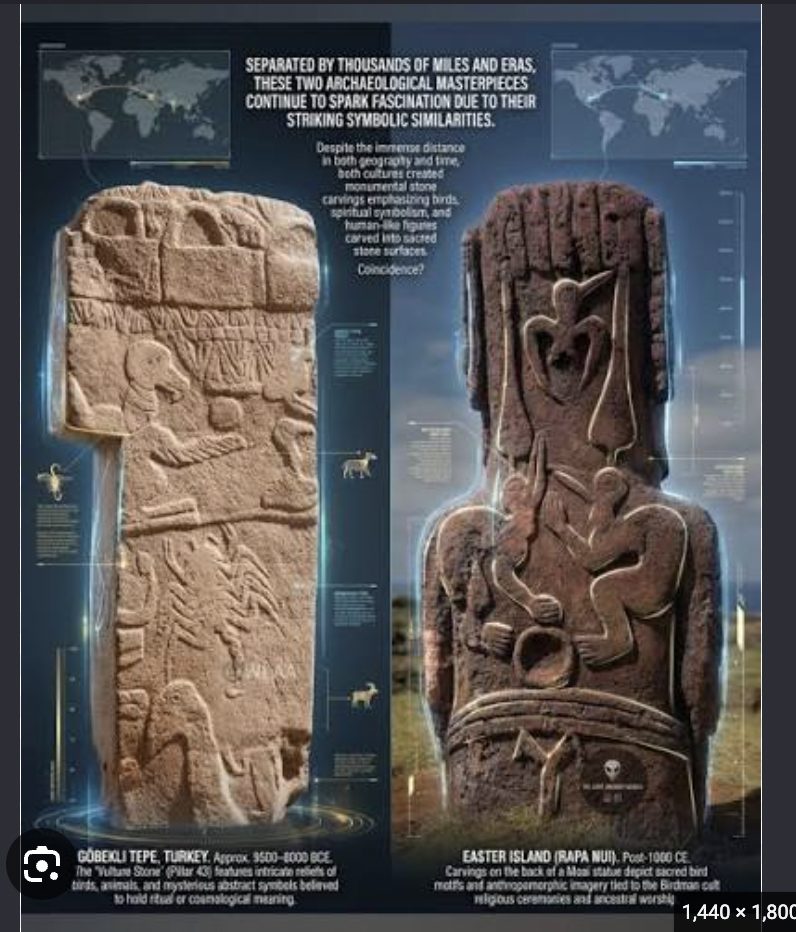
Checked September 2026. A researcher’s interpretation, an institutional description and a directly visible feature are different kinds of evidence.
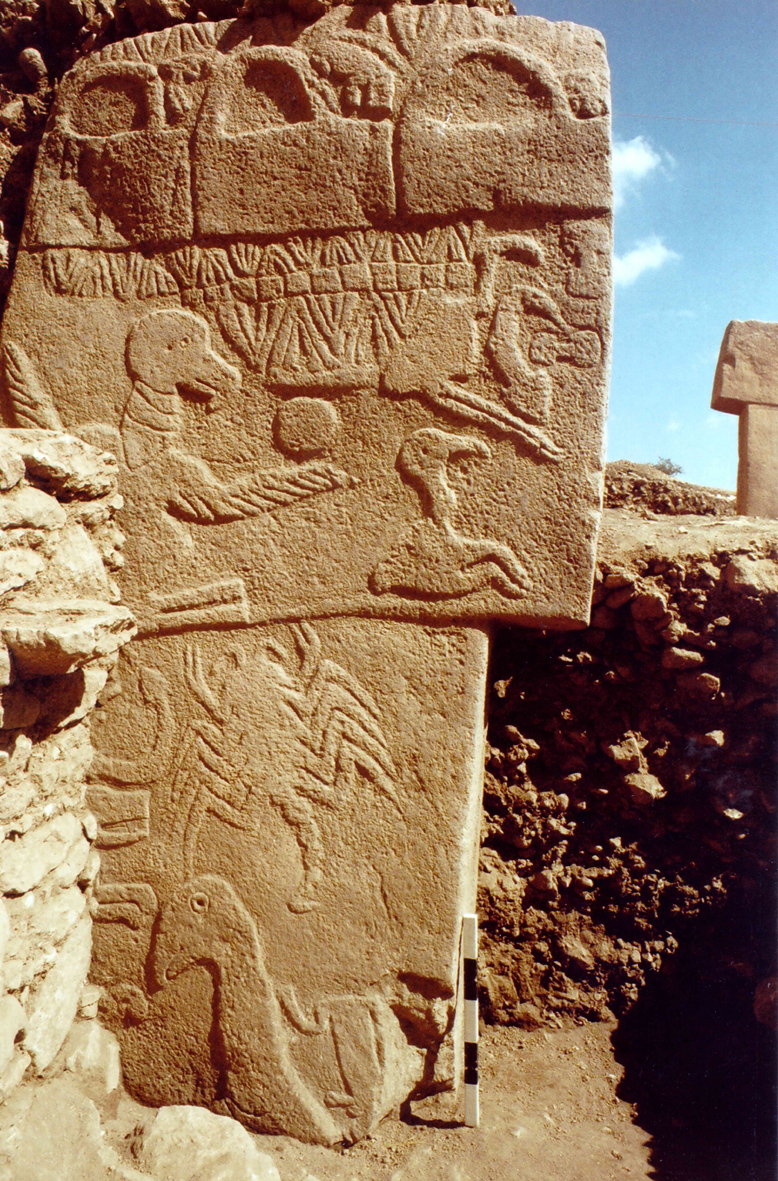
Oliver Dietrich · Göbekli Tepe Research Project · 2016; updated 2017
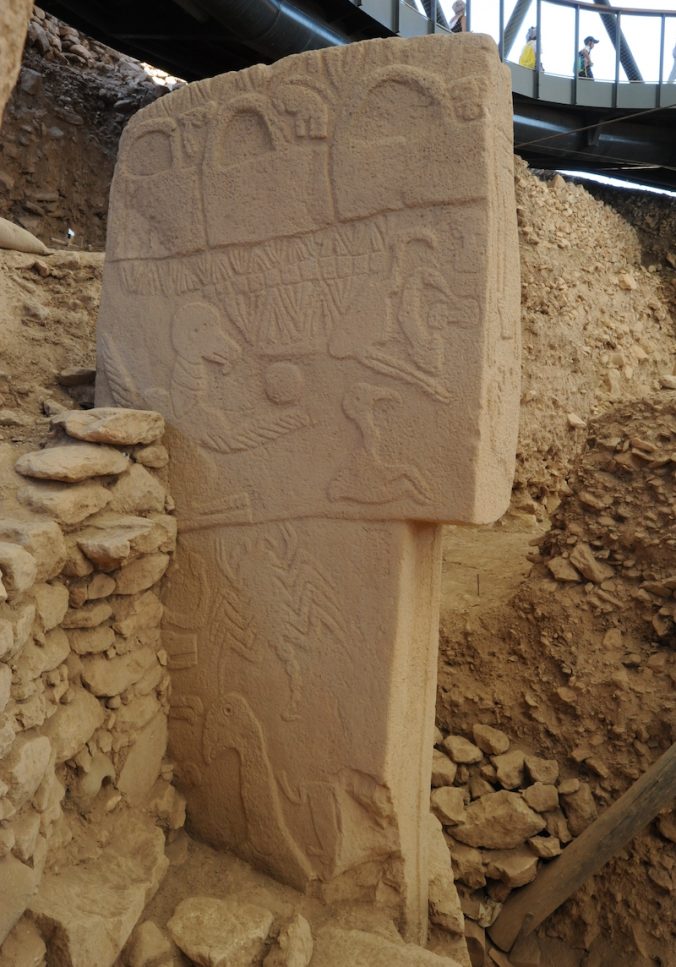
Excavation-team account. Separates visible motifs from alternative readings of the disc and arched forms.
Göbekli Tepe Research Project · Project description
Places the site in the tenth and ninth millennia BCE. Contextual site chronology is not a direct measurement of every carving.
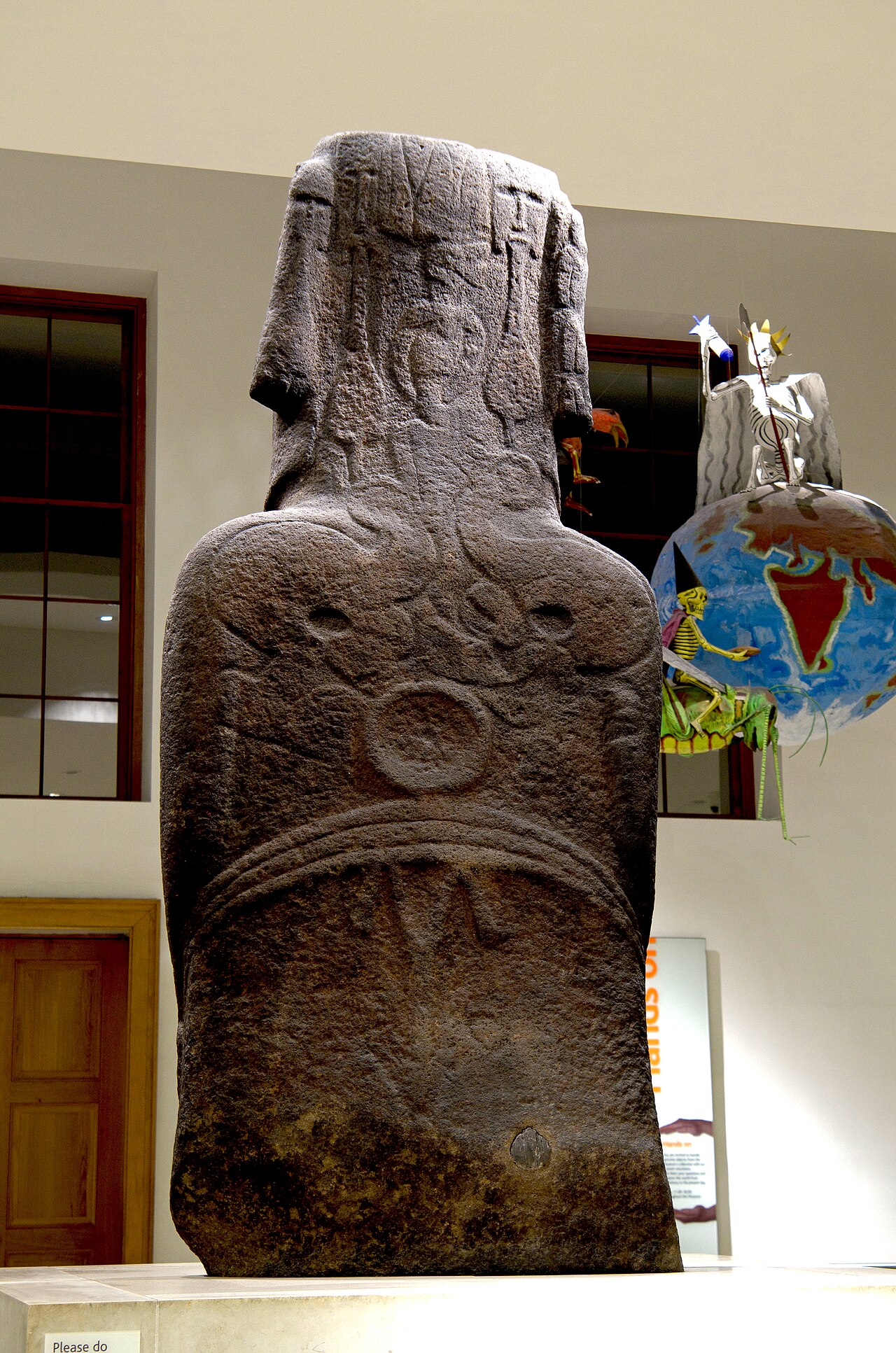
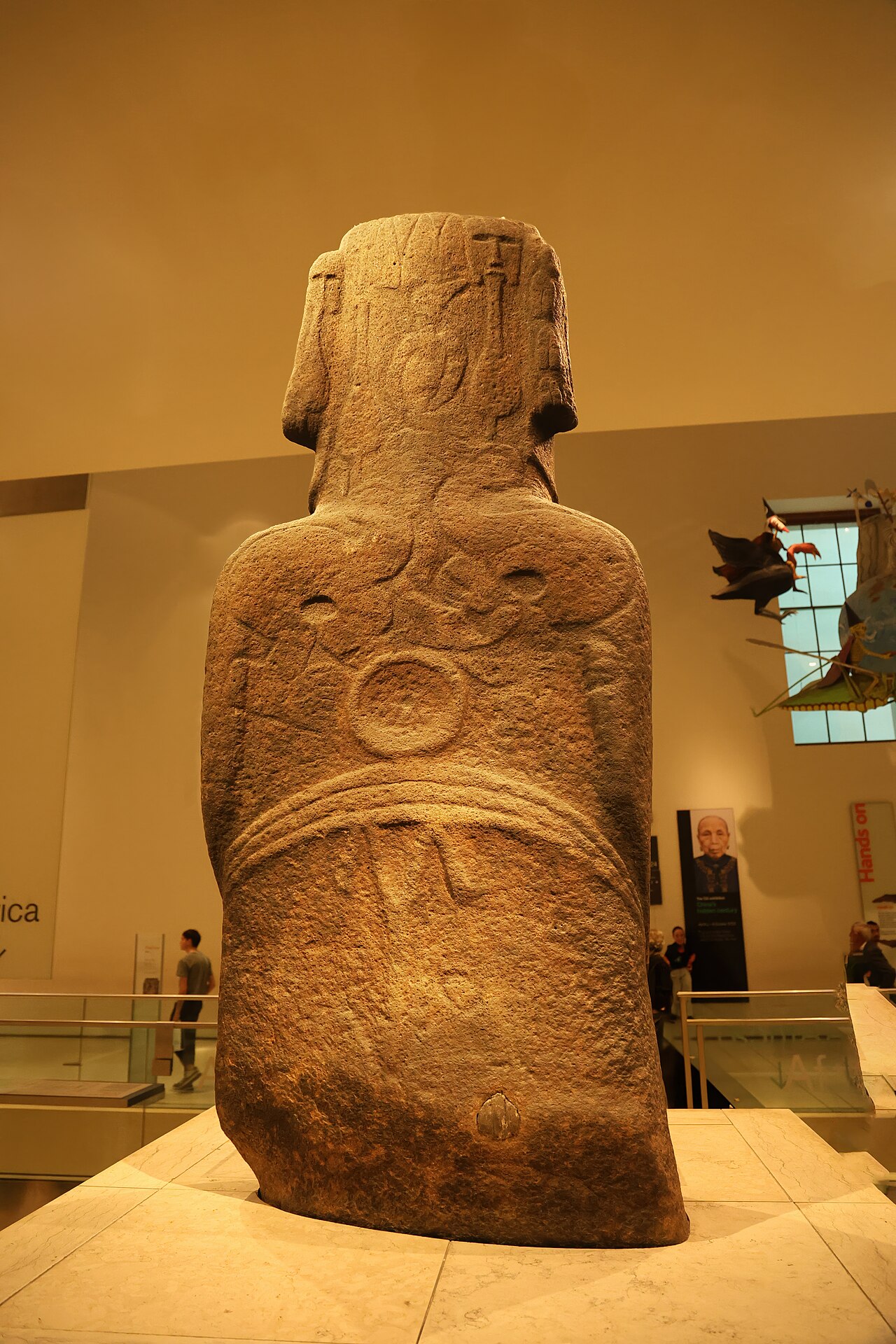
British Museum · Collection record
Object identity and carvings. Exact chronology of successive carving episodes remains uncertain; an object date must not date every later mark.
British Museum · Collection context
Ancestral significance, removal from Orongo in 1868, and the living relationship with Rapanui communities. Direct page intermittently returns 403; indexed text checked in the source review.
Mike Pitts, James Miles, Hembo Pagi & Graeme Earl · Antiquaries Journal 94 (2014)
Digital recording and carving sequence. The proposed fledgling narrative is an interpretation, not the only reading.
Mike Pitts · 3 June 2026
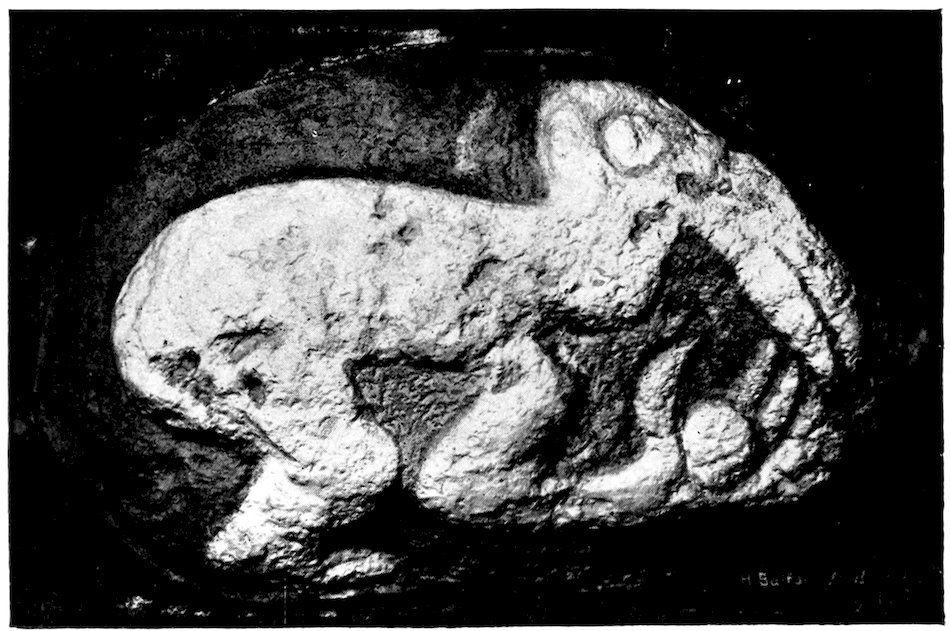
Researcher’s account of the 1917 geological sampling. The small plugged hole low on the right of the back is distinct from the large central ring.
British Museum / Google Arts & Culture · Collection record
Orongo provenance, Routledge collection, dimensions and an egg interpretation; catalogue creation range 1750–1875 is approximate.
Katherine Routledge · 1919; records the 1914–15 expedition
Early photograph and reported accounts of the birdman competition. A colonial-period, mediated record; it does not exhaust Rapanui knowledge.
Moreno-Mayar et al. · Nature (2024)
Genetic evidence for Native American ancestry and contact before European arrival. Does not connect a particular motif to Anatolia. Open full text of the Nature paper, DOI 10.1038/s41586-024-07881-4.
Museo Antropológico Padre Sebastián Englert · Rapa Nui museum collection
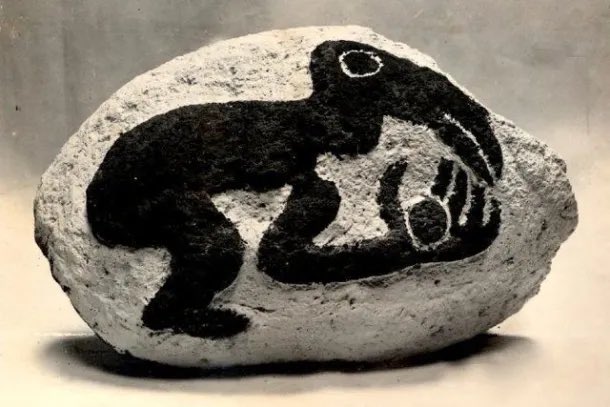
Local comparative material: painted birdman figures. A useful next reference set alongside the rock carvings.
Graham Hancock · 2015
Primary source for his proposed lost Ice Age civilisation and travelling survivors. A statement of a hypothesis, not independent corroboration.