Cultural context
Neolithic Anatolia Regional grouping, not a claim that every site or carving belongs to one homogeneous culture.
Registered dated episodes: 10,000 BCE to 8,001 BCE.
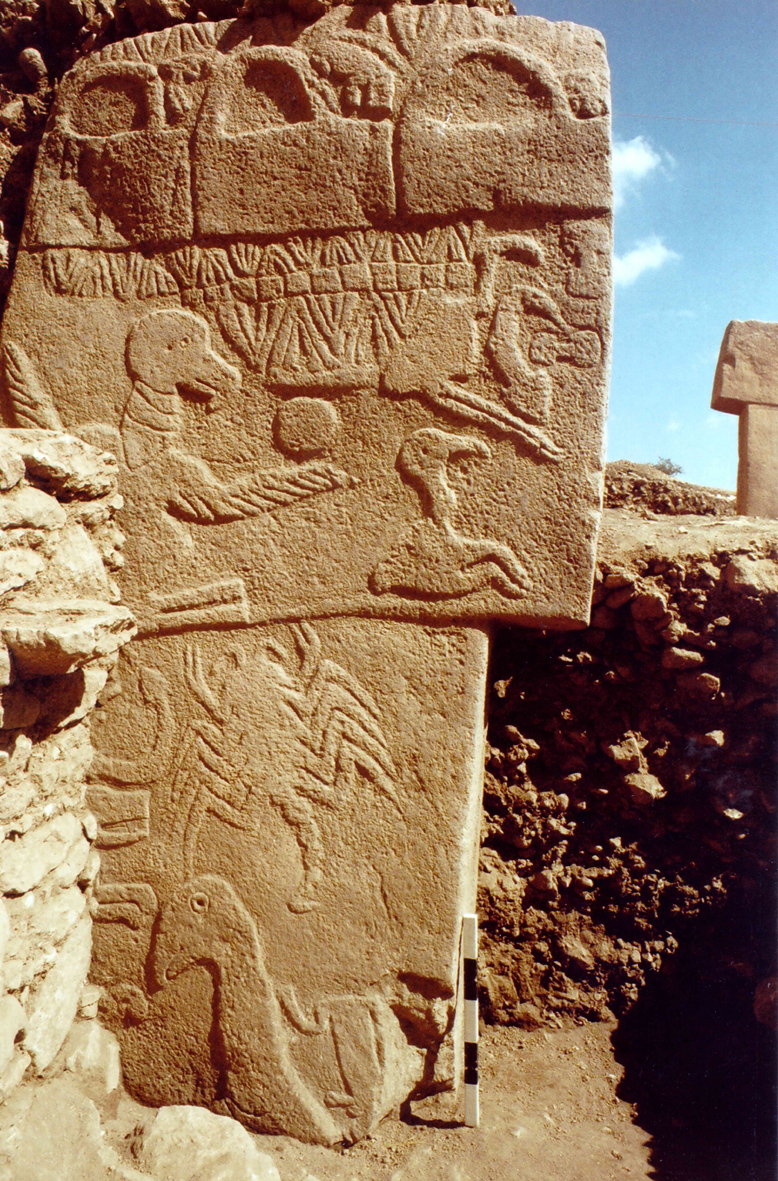
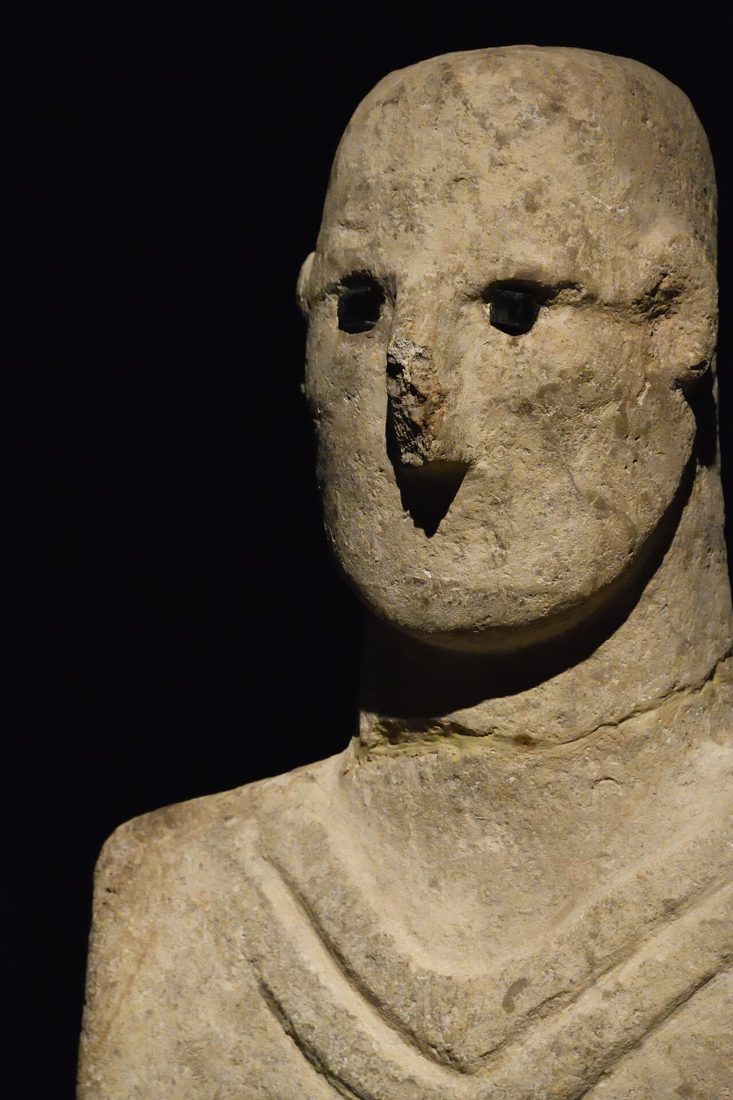
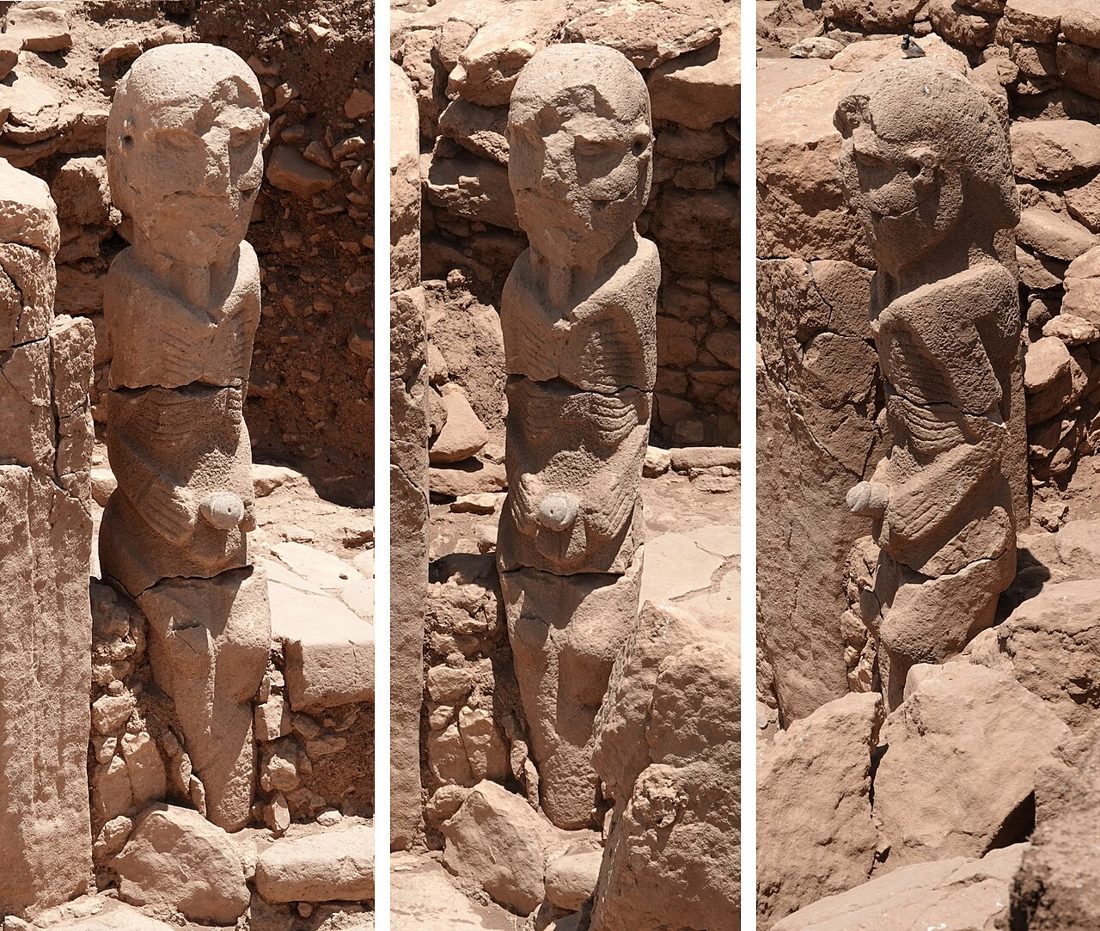
Pillar 43 10th–9th millennia BCE · site context Pillar 2 10th–9th millennia BCE · site context Pillar 33 10th–9th millennia BCE · site context Pillar 38 10th–9th millennia BCE · site context Pillar 56 10th–9th millennia BCE · site context Urfa Man Date unresolved · unresolved Karahantepe ribbed figure Date unresolved · unresolved Cultural context
Rapanui traditions Different media and episodes in Rapa Nui’s history. Statue construction, later carving, texts and modern records remain separate.
Registered dated episodes: 1,000 CE to 1,875 CE.
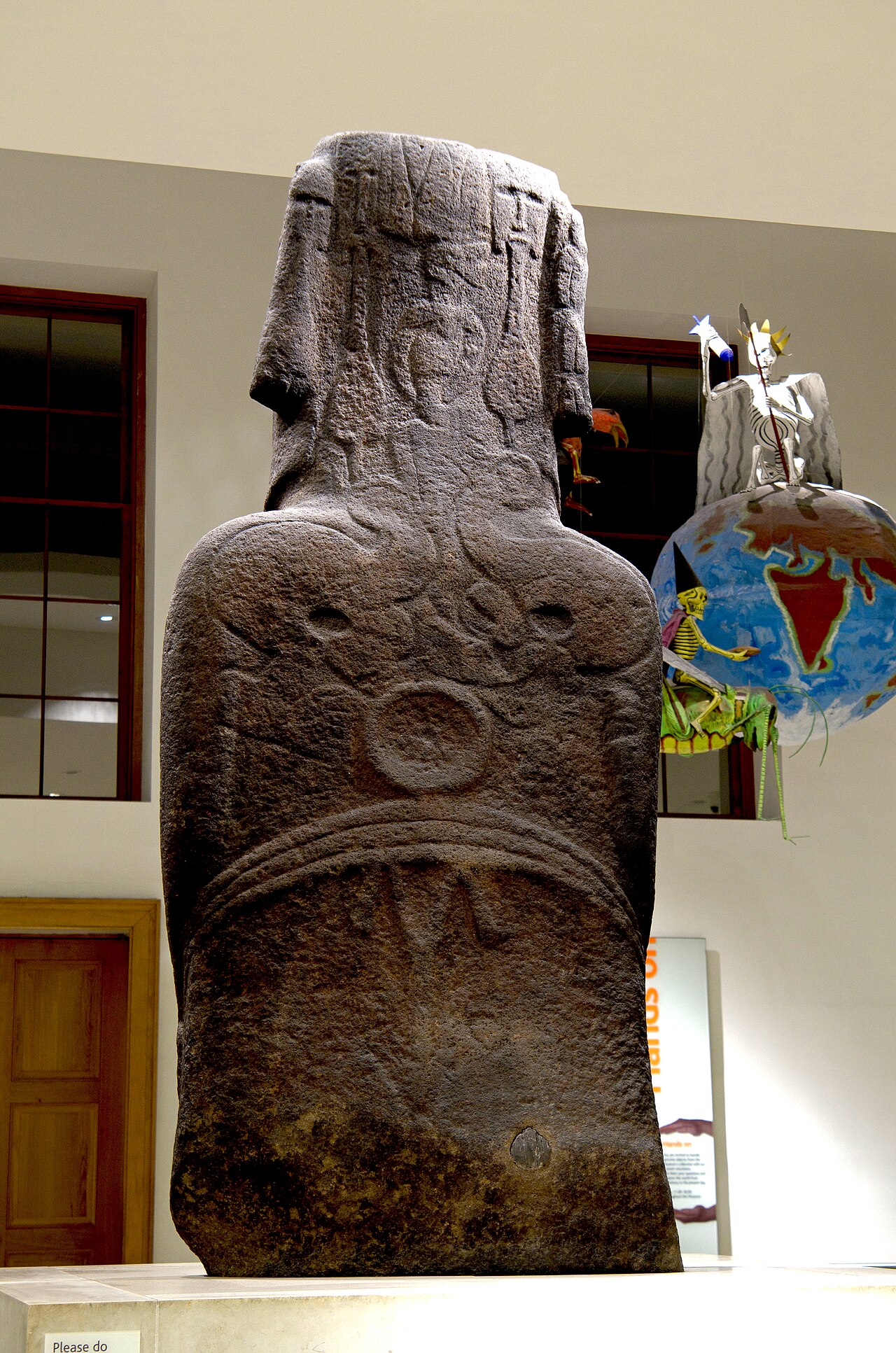
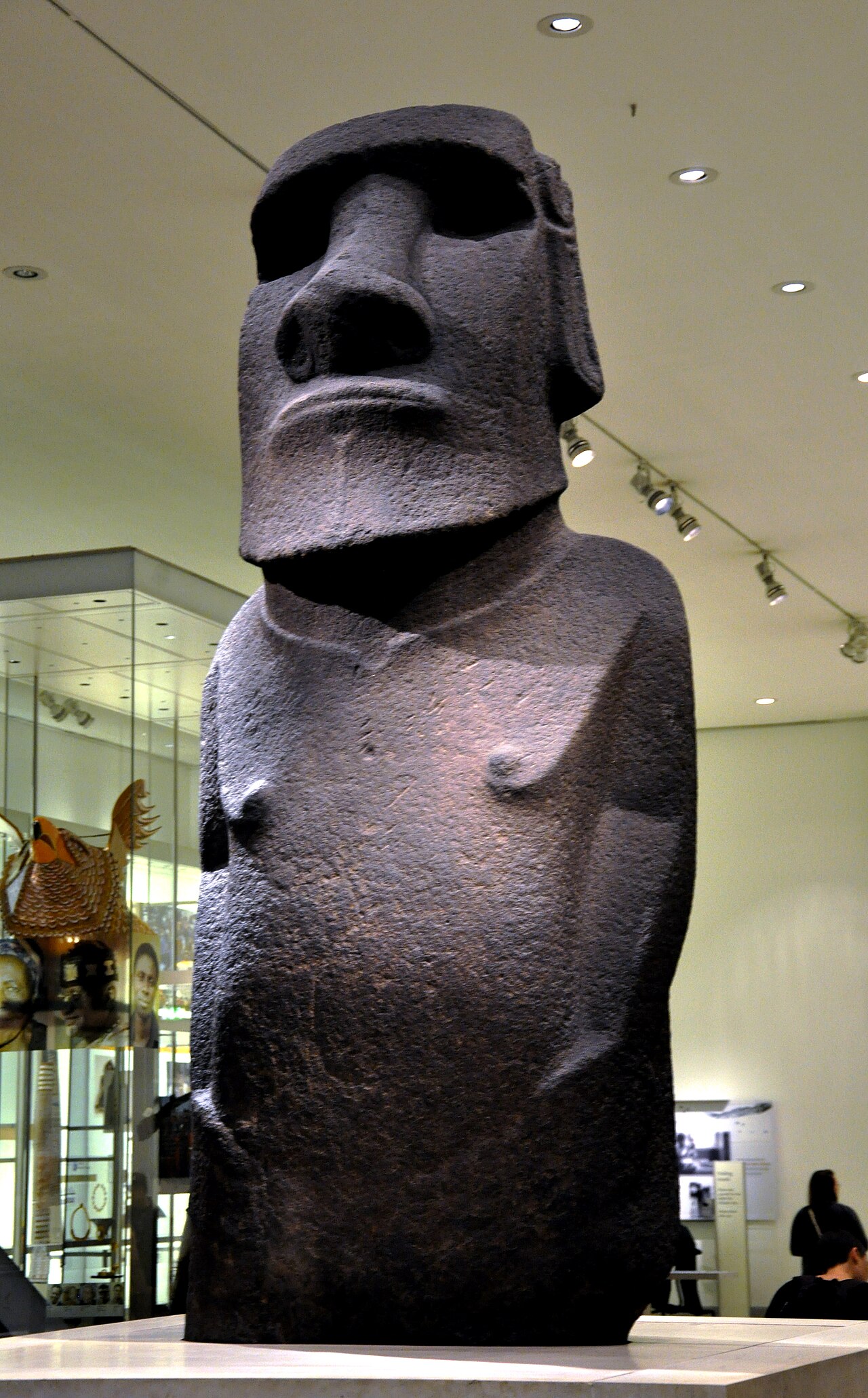
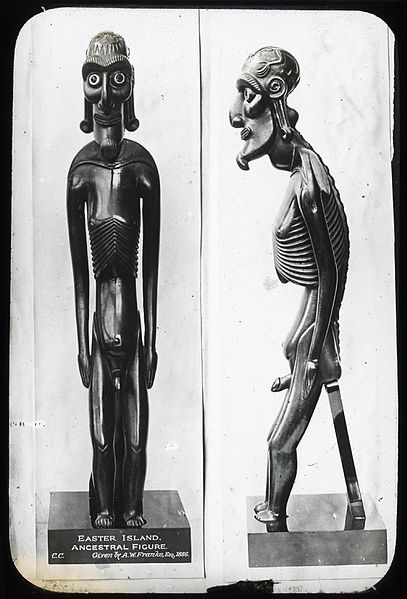
Hoa Hakananai’a · back Date unresolved · unresolved Orongo birdman boulder c. 1750–1875 CE · catalogue estimate Mata Ngarau birdmen Date unresolved · unresolved Orongo painted slab Date unresolved · unresolved Hoa Hakananai’a · front c. 1000–1200 CE · museum estimate · disputed catalogue estimate Moai kavakava · historic photograph Date unresolved · unresolved Line 01 · Evidence examined
Birdmen across two worlds Birds, bent limbs and rounded forms, across a vast interval in place and time.
Pillar 43 Göbekli Tepe↔ Hoa Hakananai’a · back Orongo · Rapa NuiWhat appears to correspond
Both groups include bird imagery in complex carved or painted scenes. The narrow bird-and-rounded-form correspondence is strongest for Pillar 43 and the Orongo boulder; it is not equally present in every group member. What differs or remains uncertain
The Rapanui group includes human–bird hybrids; the Pillar 43 figure is generally described as a vulture. The moai’s ring is below the birdmen; the boulder’s rounded object is at a bent hand; Pillar 43’s disc lies above a wing. The group samples were selected for this inquiry. They do not establish how common or rare the combination is. Transmission check
No route established in this review No transmission sequence for this specific comparison has been established in the sources reviewed. That is not proof that contact was impossible.
Inside this line
A narrower look at the same objects. It is counted inside this line, not as separate evidence.
Open the full dossier: groups, dates and sources →
Line 02 · Sources partly checked
Hands drawn toward the body Anatolian, Pacific and Andean figures invite a comparison of gesture.
Urfa Man Şanlıurfa↔ Hoa Hakananai’a · front Orongo · Rapa NuiWhat appears to correspond
Arms descend beside a frontal body; the hands converge or act near the torso. What differs or remains uncertain
The Ponce figure holds objects; the other poses need separate descriptions. The hands are not necessarily directed at the same anatomical point. Similar human bodies constrain the number of comfortable or legible sculptural poses. Transmission check
No route established in this review No transmission sequence for this specific comparison has been established in the sources reviewed. That is not proof that contact was impossible.
This comparison also reaches Tiwanaku.
Open the full dossier: groups, dates and sources →
Line 03 · Sources partly checked
Bodies with visible ribs Karahantepe’s stone figure and the moai kavakava repertoire.
Karahantepe ribbed figure Karahantepe↔ Moai kavakava · historic photograph Rapa NuiWhat appears to correspond
Both selected examples emphasize ribs and the human body. What differs or remains uncertain
The stone statue is monumental; the wooden figures are small and portable. The official discovery account calls the Karahantepe figure seated. The circulating historical photograph’s “1730” identifier should not become a collection date. Transmission check
No route established in this review No transmission sequence for this specific comparison has been established in the sources reviewed. That is not proof that contact was impossible.
Open the full dossier: groups, dates and sources →
Keep in the frame
What would move this cluster forward? Collected comparisons accumulate; they do not compound into proof. Each line still needs its own dated sequence.
Build dated local sequences on both sides. Use expert-reviewed feature locations and relations before any similarity ranking. Add a documented comparison corpus selected independently of the proposed match. Trace object dates and acquisition identities. Code exact hand positions, held objects and local sculptural predecessors. Identify the exact photographed wooden figure. Compare local variants and funerary interpretations before inferring shared meaning. Follow the evidence
Sources & scope Provisional editorial records with no independent specialist sign-off. Review stages describe how far sources were checked, not the probability of a historical connection.
project · Deep Memory Object-level inquiry, alternate views and chronology; the starting point for the central catalogue claims.
excavation · Oliver Dietrich / DAI Excavation-team discussion of the depicted animals and competing readings of the disc and upper forms.
museum · British Museum Identifies the statue and back carvings; construction and later carving episodes must be separated.
museum · British Museum / Google Arts & Culture Orongo provenance, birdman with rounded object, and an approximate 1750–1875 catalogue date.
excavation · Jens Notroff / DAI Discusses birds and possible human-like legs on regional pillars. Interpretation as masquerade remains a proposal.
museum · Museo Antropológico Padre Sebastián Englert Two facing tangata manu on a house slab; the 1974 move to the museum does not date the painting.
claim · Lee Paqui; hosted by Graham Hancock Guest article, 19 October 2024. Proposes ribbed-figure and bird-with-rounded-object parallels. Its medical and ancestral interpretations are not established by the photographs.
primary-text · Katherine Routledge Figures 110 and 112 preserve photographs of the Orongo rock and birdman boulder. Publication dates are not carving dates.
claim · Hugh Newman; hosted by Graham Hancock Guest article, 29 March 2014. Specific comparisons include hands toward the abdomen, sacred centres and distant statuary.
project · Deep Memory Records comparisons assembled from this repository and supplied material. An external first proposer has not been traced for every pair.
excavation · Türkiye Ministry of Culture and Tourism 30 September 2023: 2.3 m human statue with emphasized ribs and spine, described as seated; the article’s “standing” label needs care.
museum · British Museum A documented example of the type, late eighteenth to mid-nineteenth century. Not an established identification of the figure in the catalogue’s historical photograph.
image-record · British Museum photographic collection / Wikimedia Commons The linked image identifier contains 1730; it is not a demonstrated collection year. Individual sculpture identity and age remain to be tied to a collection record.