Deep Memory/ Clues to a deeper past
An inquiry into ancient resemblance

Why do distant worlds leave familiar forms?

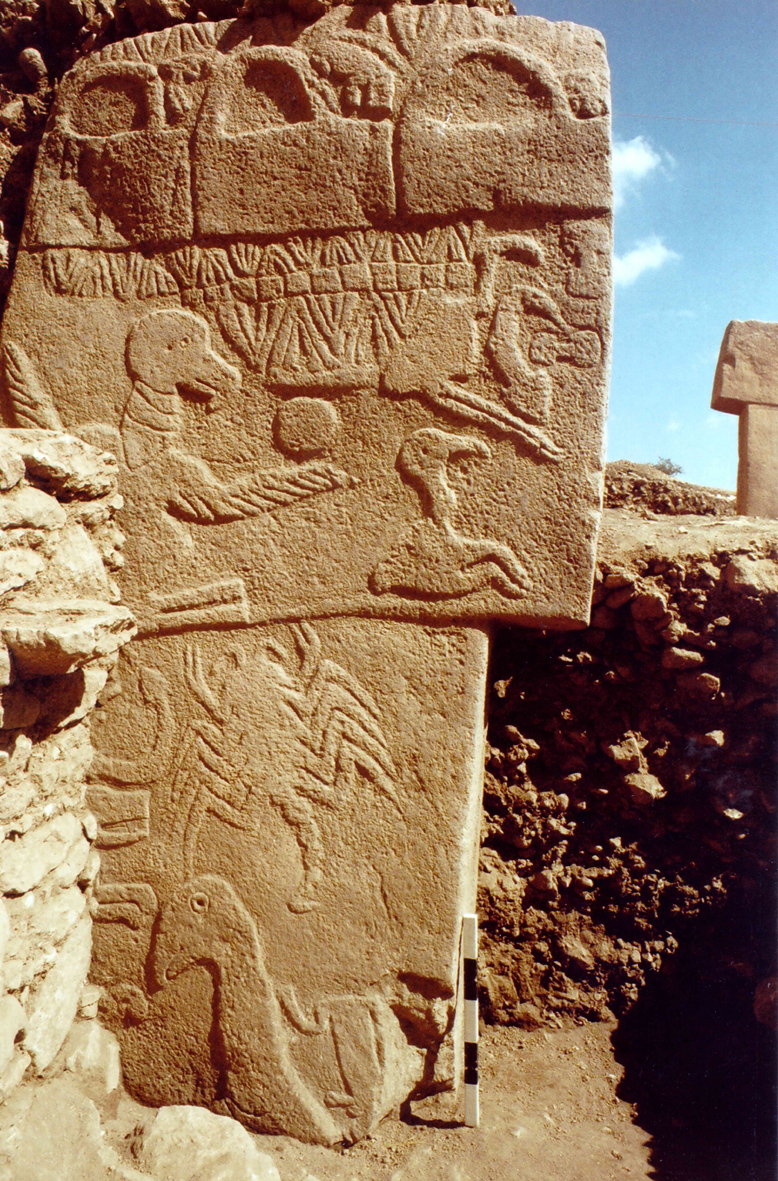
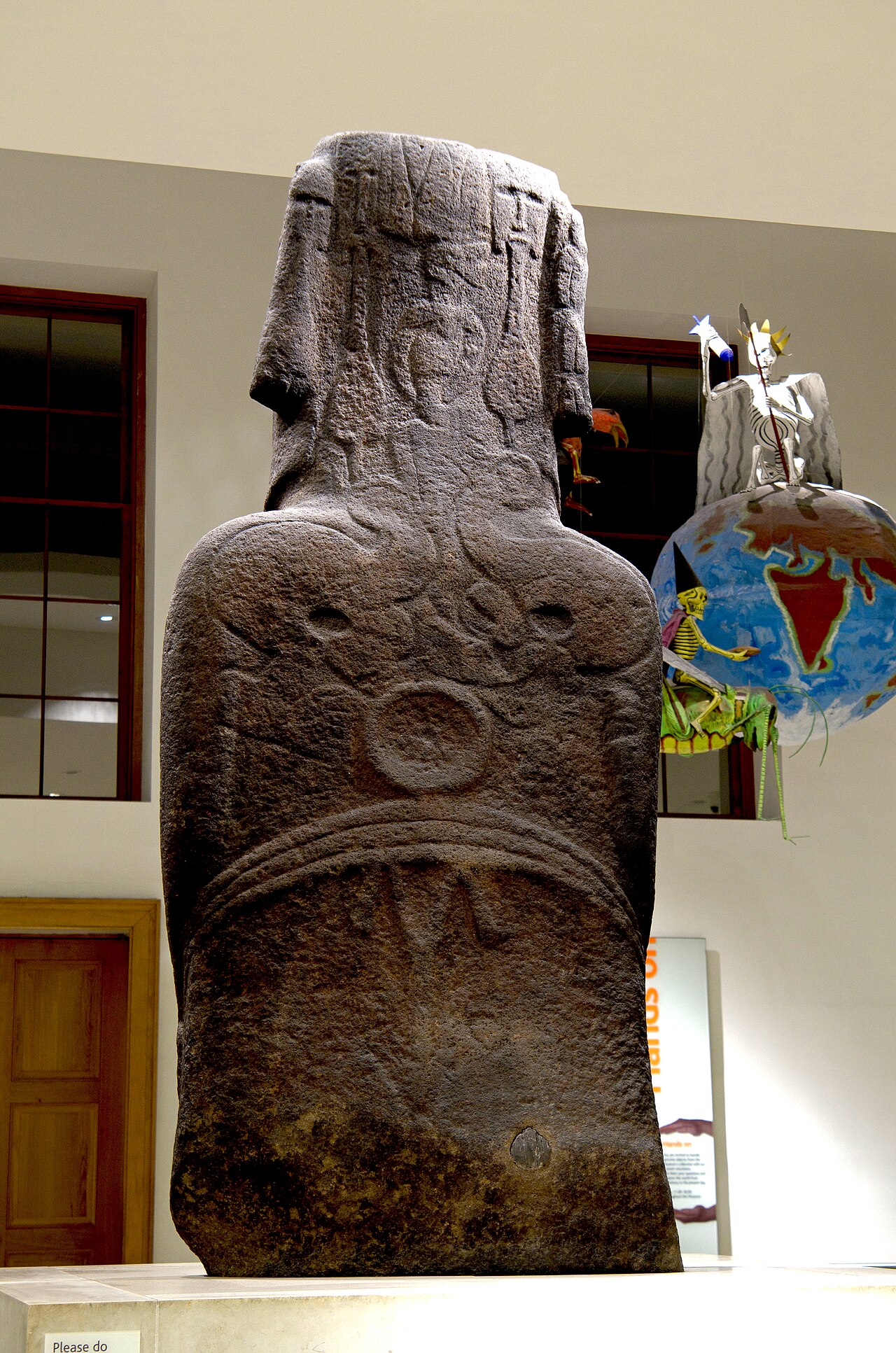
A bird on a Neolithic pillar. Birdmen on a Pacific statue. What are we seeing—and what could explain it?

Explore the collection →The pillar, the moai & the bird ↗
A living research notebook · September 2026
The decorated western side of Pillar 43: birds, a disc, three arched forms and a scorpion, photographed at Göbekli Tepe
Pillar 43Göbekli Tepe, Anatolia
Neolithic · photograph © DAI / K. Schmidt
The back of Hoa Hakananai'a, with faint birdman carvings above a ring and curved bands
Hoa Hakananai’a · backRapa Nui, Pacific Ocean
Later carvings · James Miles / CC BY-SA 4.0
Start with the objects

A resemblance worth investigating.

First describe what is alike. Then ask how unusual it is, and what history could explain it.

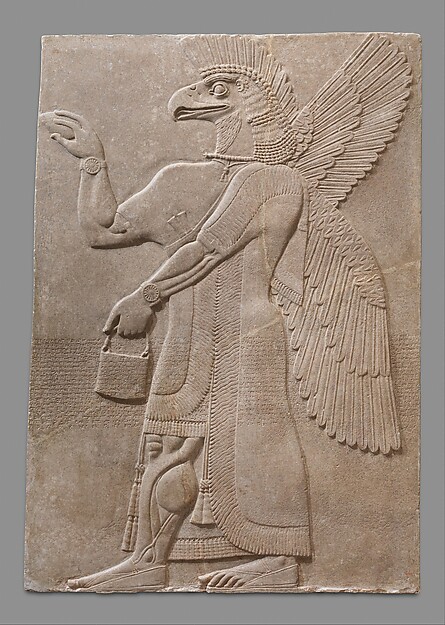
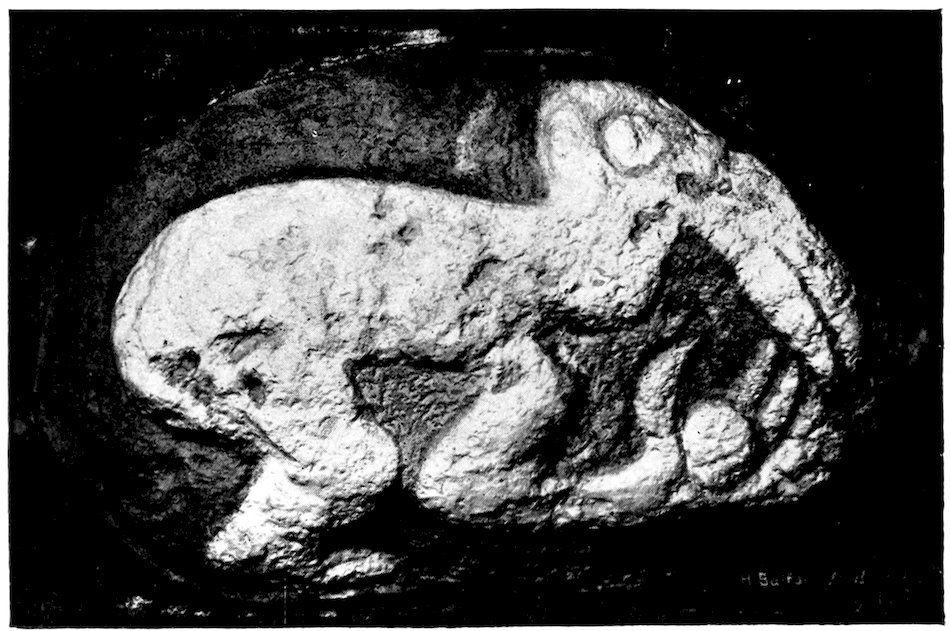
A bird, an outstretched limb, a rounded form. Explore the pillar, moai and Orongo boulder alongside local examples and museum objects, with a history of what can be dated.

Investigate the resemblance →
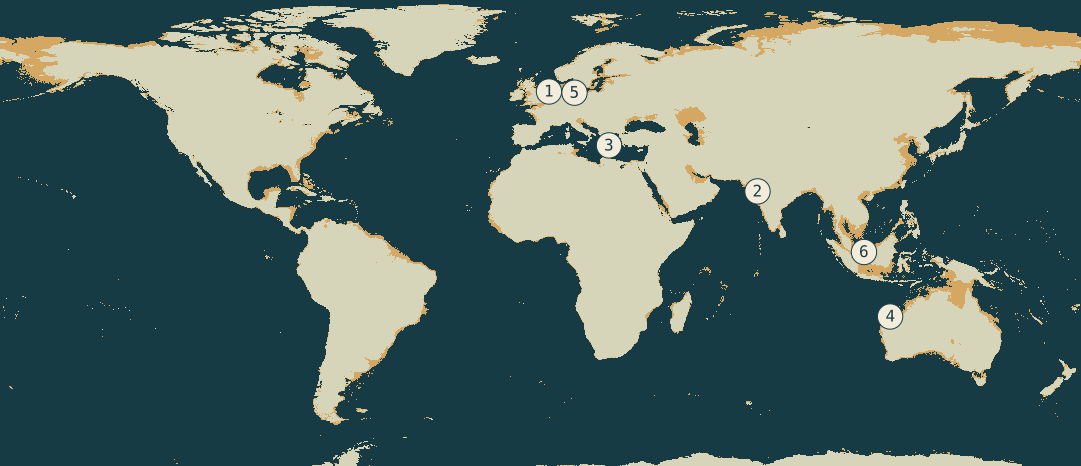
The three lines joining Göbekli Tepe and Rapa Nui →
Possible histories

Inheritance, contact,
or recurrence?

A dated chain of unusual shared details would strengthen transmission. Local predecessors and widespread equivalents would strengthen convergence. Selection and presentation can also amplify a resemblance.

What would distinguish these explanations? →
A proposed deep inheritance

Graham Hancock

Hancock proposes that survivors of an Ice Age civilisation carried knowledge to later societies. The test is to find distinctive inherited forms, establish their chronology and trace their transmission.

His account of Magicians of the Gods. Guest articles on his site have their own authors.

A proposed southern source

Bruce Fenton

Fenton proposes a maritime tradition linking northern Australia and Island Southeast Asia with distant imagery. His specific comparisons need secure identities, dates and intermediate examples.

Illustrated argument and source checks.

Testing the observer

Can AI see
what is there?

Better labels are progress. Correct locations are the next test.

Some earlier responses described a face on the moai’s back. The controlled follow-up improved feature labels, yet placed scorpions in the bird area. Similarity scores need these errors checked first.

Results and the next tests →

Controlled follow-up · First diagnostic

The research archive

Five studies.
What they can tell us.

04 · V1 experiment · V2 source audit

The civilisers

Claimed partners ranked first in 62.5% of lineups. Source quality, repeated pairs and recognisable summaries limit the inference.

Keep exploring

A growing collection.

Browse motif families, see which cultures keep meeting, inspect the input audit, or read the original illustrated atlas. New photographs join existing objects; unresolved identities stay visible.

Follow the evidence

An open notebook.

Photographs, source passages and saved results remain inspectable. The people who made these objects, and living communities’ knowledge, belong at the centre of their interpretation.

Sources and image credits · Research review · Editorial record