← Cluster index
Cluster · 2 lines of comparison · 2 without an established route · 2 motif families · 8 registered objects
Rapanui traditions↔
2 separate lines of comparison join these two traditions in this collection. 2 of them have no established route.
Motif families: Hands across the torso · Birds & human forms
Cultural context
Rapanui traditions Different media and episodes in Rapa Nui’s history. Statue construction, later carving, texts and modern records remain separate.
Registered dated episodes: 1,000 CE to 1,875 CE.
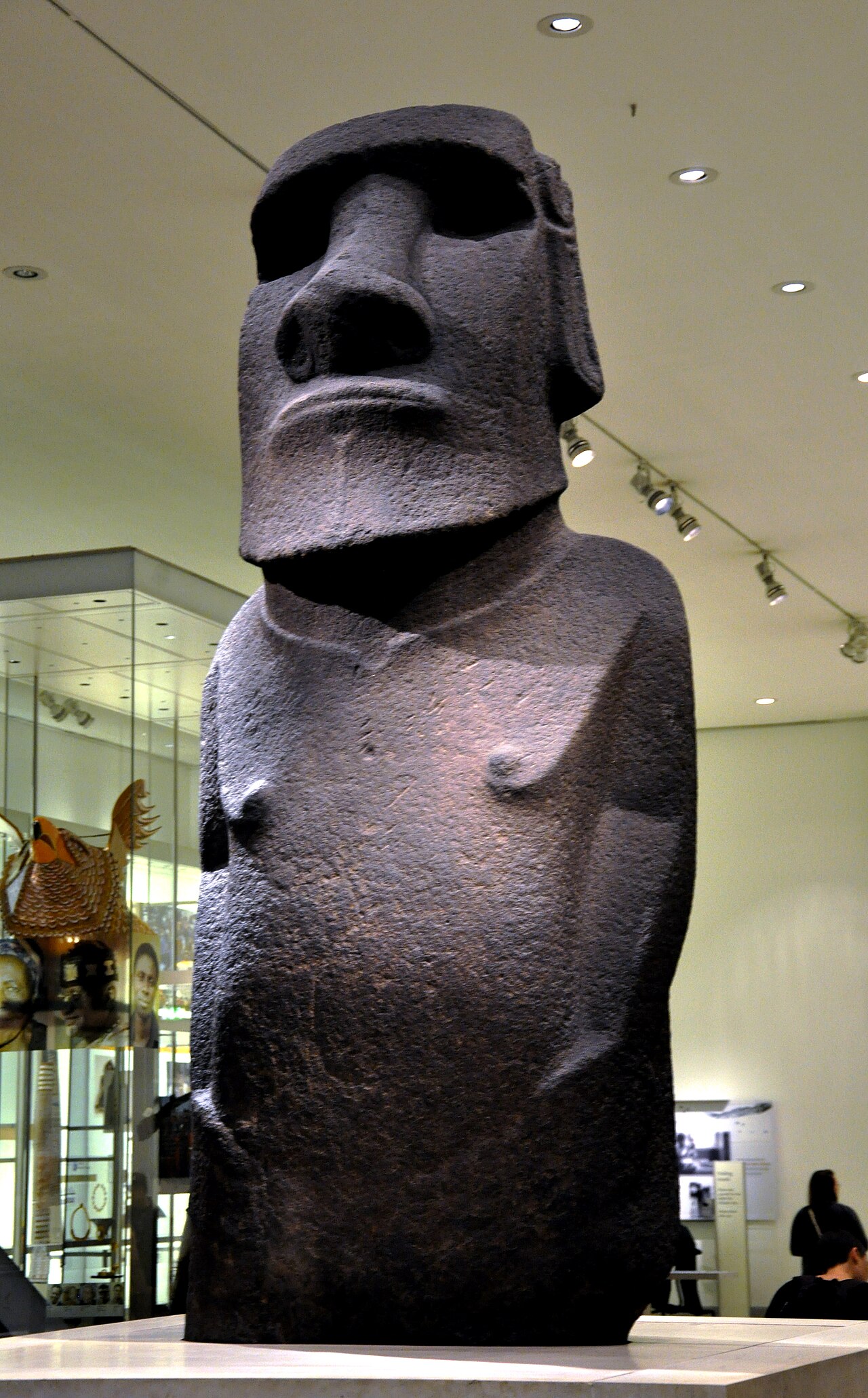
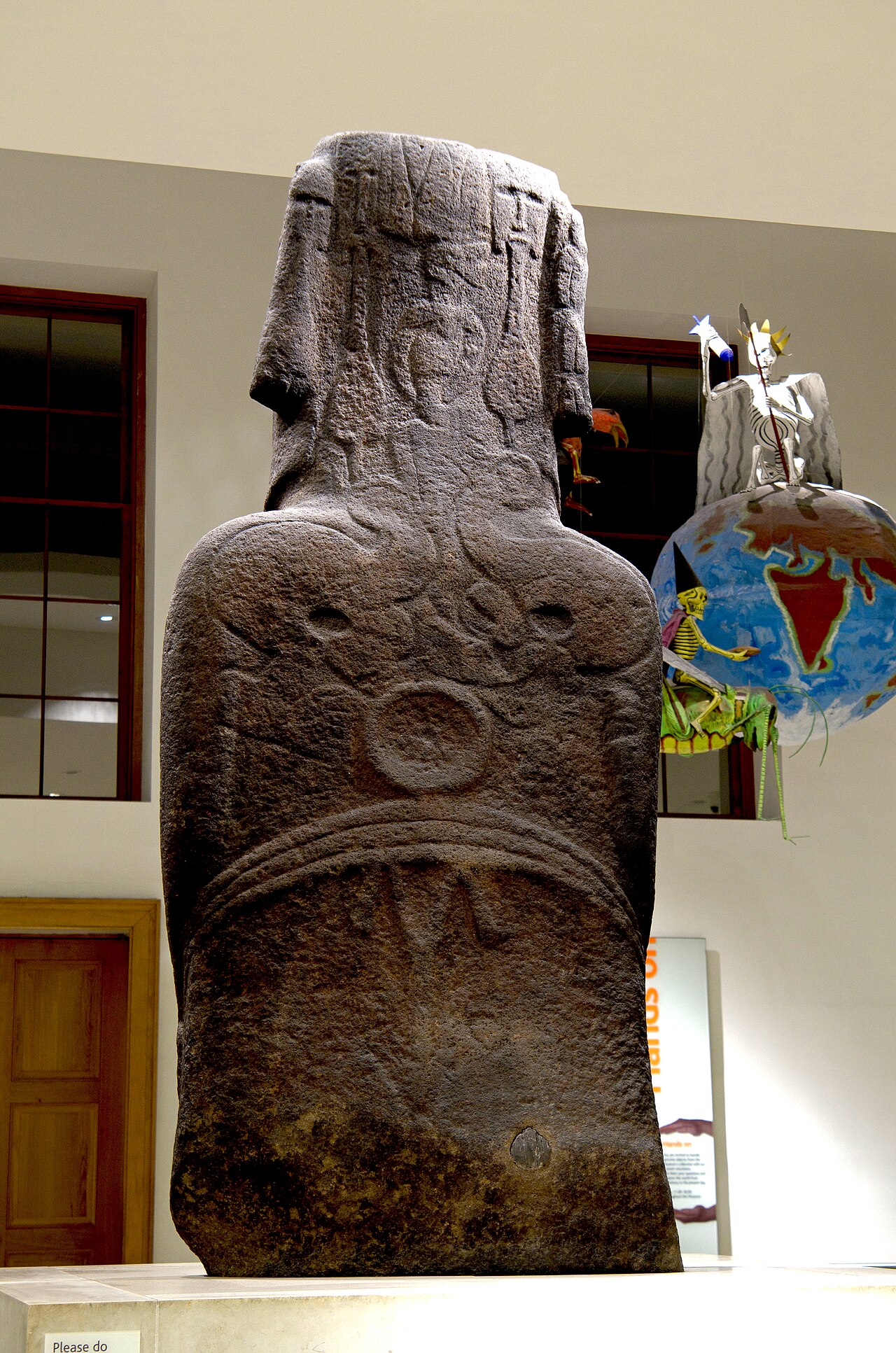
Hoa Hakananai’a · front c. 1000–1200 CE · museum estimate · disputed catalogue estimate Hoa Hakananai’a · back Date unresolved · unresolved Orongo birdman boulder c. 1750–1875 CE · catalogue estimate Mata Ngarau birdmen Date unresolved · unresolved Orongo painted slab Date unresolved · unresolved Cultural context
Tiwanaku A selected monumental figure; wider Andean traditions are not collapsed into this cluster.
No numerical episode date is yet registered here.
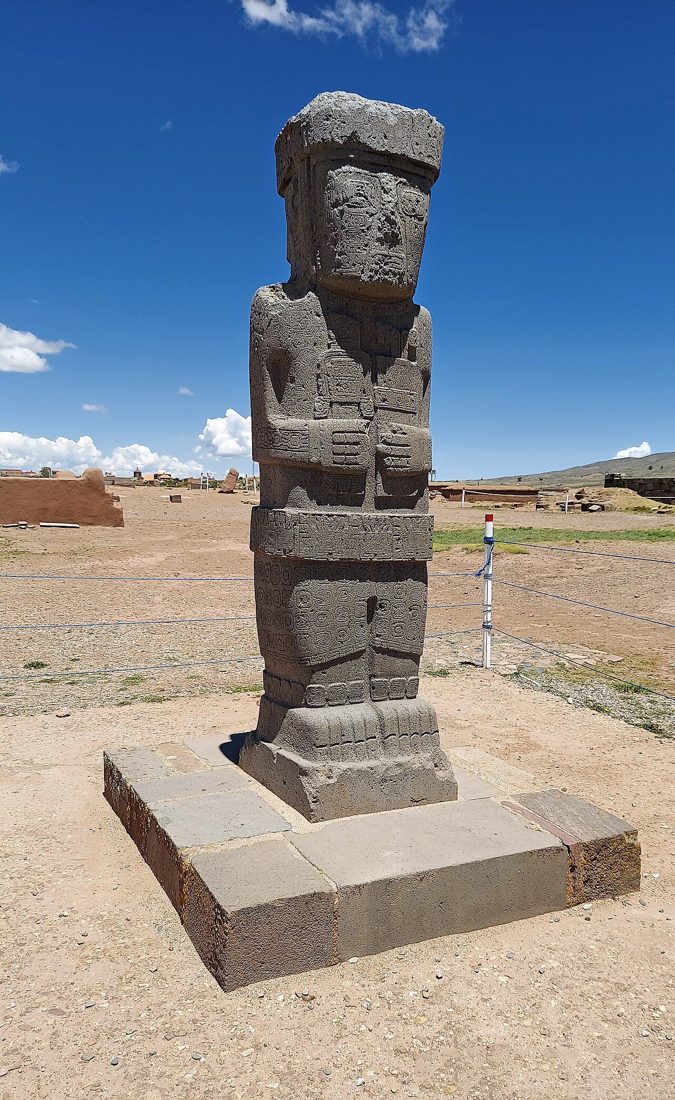
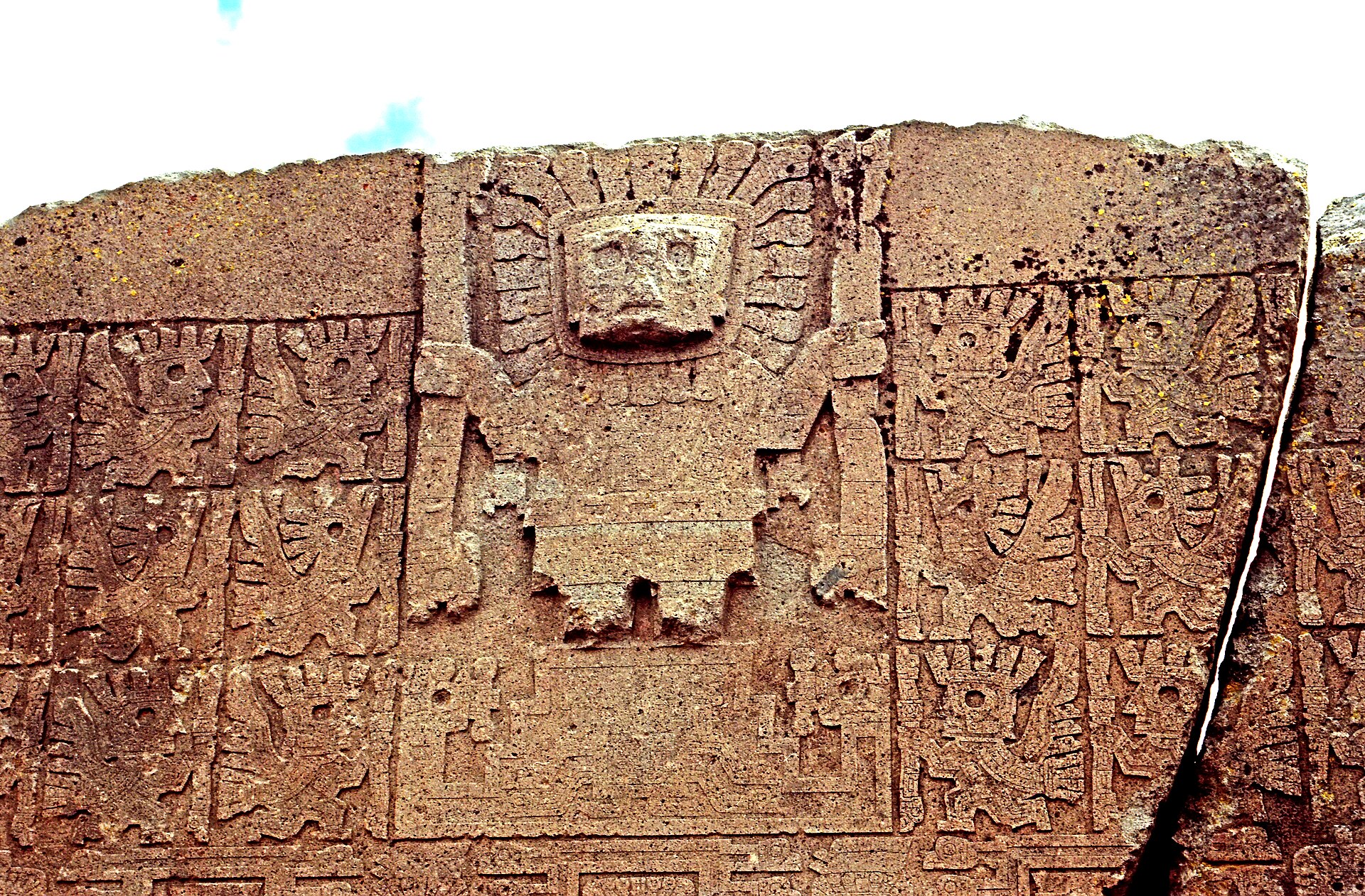
Ponce monolith Date unresolved · unresolved Gate of the Sun · frieze Carving date unresolved here · unresolved Line 01 · Sources partly checked
Hands drawn toward the body Anatolian, Pacific and Andean figures invite a comparison of gesture.
Hoa Hakananai’a · front Orongo · Rapa Nui↔ Ponce monolith TiwanakuWhat appears to correspond
Arms descend beside a frontal body; the hands converge or act near the torso. What differs or remains uncertain
The Ponce figure holds objects; the other poses need separate descriptions. The hands are not necessarily directed at the same anatomical point. Similar human bodies constrain the number of comfortable or legible sculptural poses. Transmission check
No route established in this review No transmission sequence for this specific comparison has been established in the sources reviewed. That is not proof that contact was impossible.
This comparison also reaches Neolithic Anatolia.
Open the full dossier: groups, dates and sources →
Line 02 · Sources partly checked
Bird-headed attendants across traditions The Gate of the Sun joins the wider birdman question.
Hoa Hakananai’a · back Orongo · Rapa Nui↔ Gate of the Sun · frieze TiwanakuWhat appears to correspond
Bird-headed figures occur in all three selected groups. What differs or remains uncertain
Staff-bearing attendants, protective figures and Rapanui birdmen occupy different scenes and contexts. “Viracocha” is a traditional identification of the central figure, not an inscription. Transmission check
Transmission not yet assessed This input-led extension has not established or excluded a transmission route.
This comparison also reaches Assyrian imagery.
Open the full dossier: groups, dates and sources →
Keep in the frame
What would move this cluster forward? Collected comparisons accumulate; they do not compound into proof. Each line still needs its own dated sequence.
Trace object dates and acquisition identities. Code exact hand positions, held objects and local sculptural predecessors. Trace the Tiwanaku carving’s chronology and iconographic scholarship. Compare the literal pose and held attributes before comparing divine names. Follow the evidence
Sources & scope Provisional editorial records with no independent specialist sign-off. Review stages describe how far sources were checked, not the probability of a historical connection.
claim · Hugh Newman; hosted by Graham Hancock Guest article, 29 March 2014. Specific comparisons include hands toward the abdomen, sacred centres and distant statuary.
museum · British Museum Identifies the statue and back carvings; construction and later carving episodes must be separated.
project · Deep Memory Records comparisons assembled from this repository and supplied material. An external first proposer has not been traced for every pair.
supplied material · Supplied project archive Every supplied file is accounted for. Coverage is separate from verification; unresolved montages remain leads.
project · Deep Memory Preserves captions, uncertainties and supplied images. A social caption is not an independent archaeological identification.
museum · The Metropolitan Museum of Art Exact object pictured here: Nimrud, reign of Ashurnasirpal II, ca. 883–859 BCE. Bucket and cone in a protective ritual context.