← All comparisons
Sources partly checked · Bodies & gestures
Hands drawn toward the body
Anatolian, Pacific and Andean figures invite a comparison of gesture.
3 groups · 3 registered records · reviewed 2026-09-19
Motif families: Hands across the torso
Neolithic Anatolia
Anatolian torso gestures
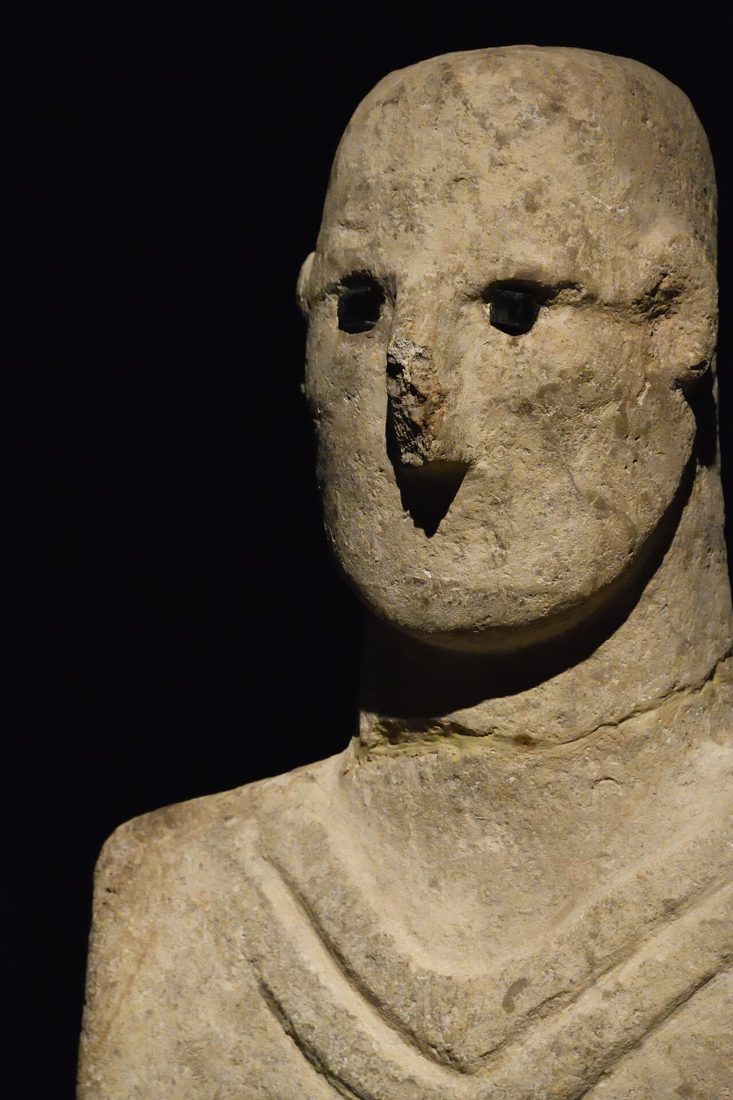
The Balıklıgöl statue in the hand-position comparison.
Why these examples belong together
One example so far. Its exact posture must be checked before expanding the group.
object · ŞanlıurfaUrfa Man
The actual meeting place of the hands needs to be described from full views rather than assumed from a “navel” caption.
Dates, sources & image record
- Date unresolvedunresolved · Early Neolithic attribution is retained as context, but an object-level dating source has not yet been checked for this entry.
photograph · Dosseman. CC BY-SA 4.0. Image record
Existing source image; displayed uncropped. No generated reconstruction.
Megalithic origins: Göbekli Tepe and Peru · The project’s illustrated comparison archive
Rapanui traditions
Rapanui torso gestures
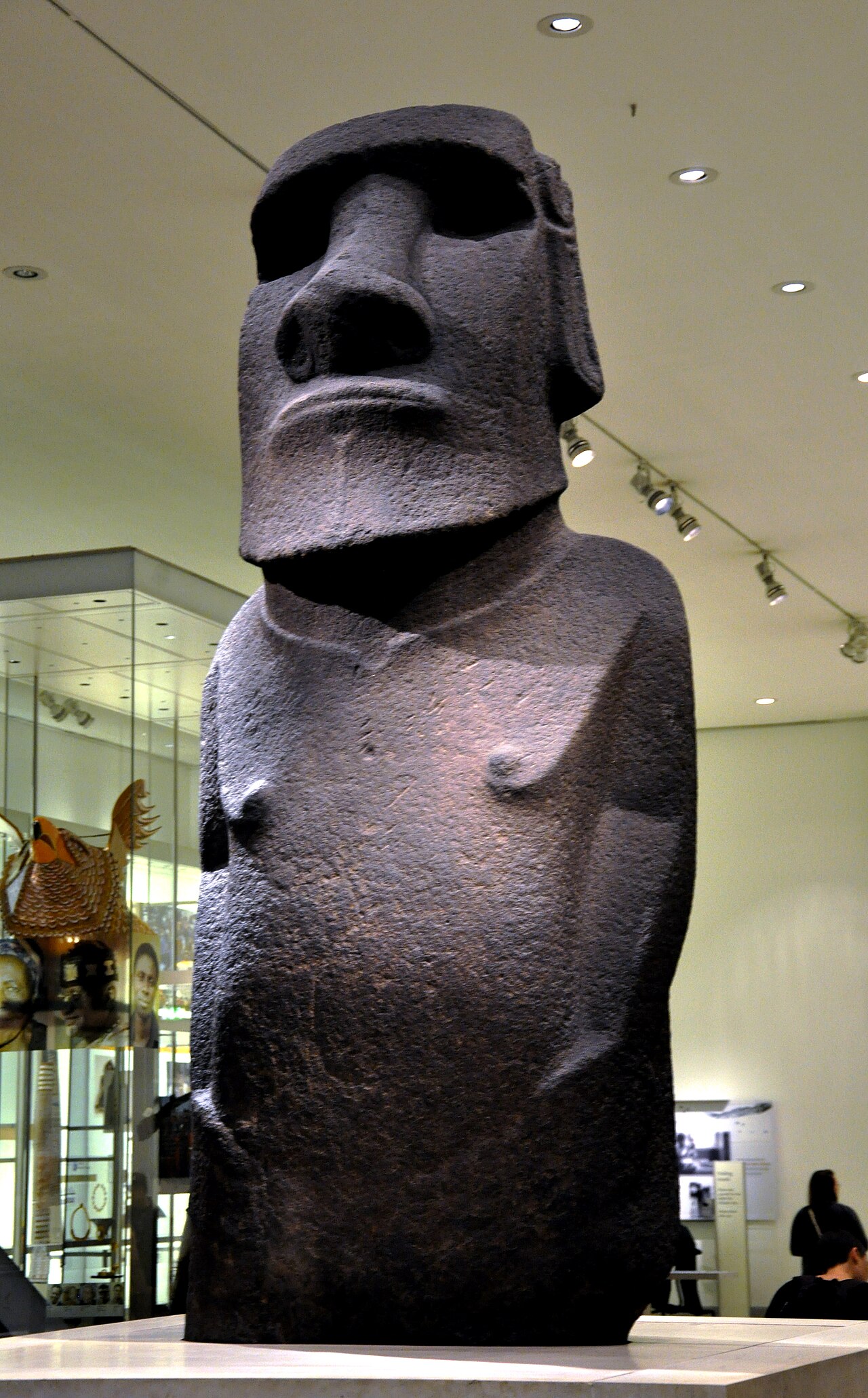
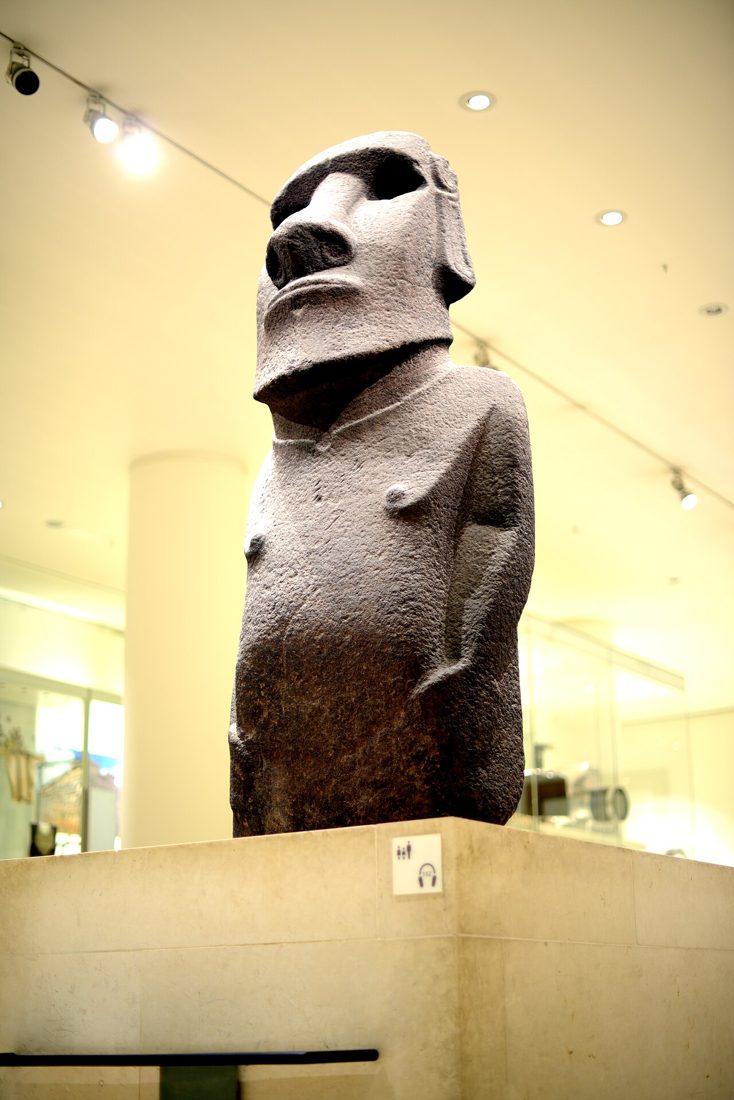
The frontal surface of Hoa Hakananai’a.
Why these examples belong together
A different surface of the statue already included in the birdman group; not a second independent statue.
Tiwanaku
Andean torso gestures
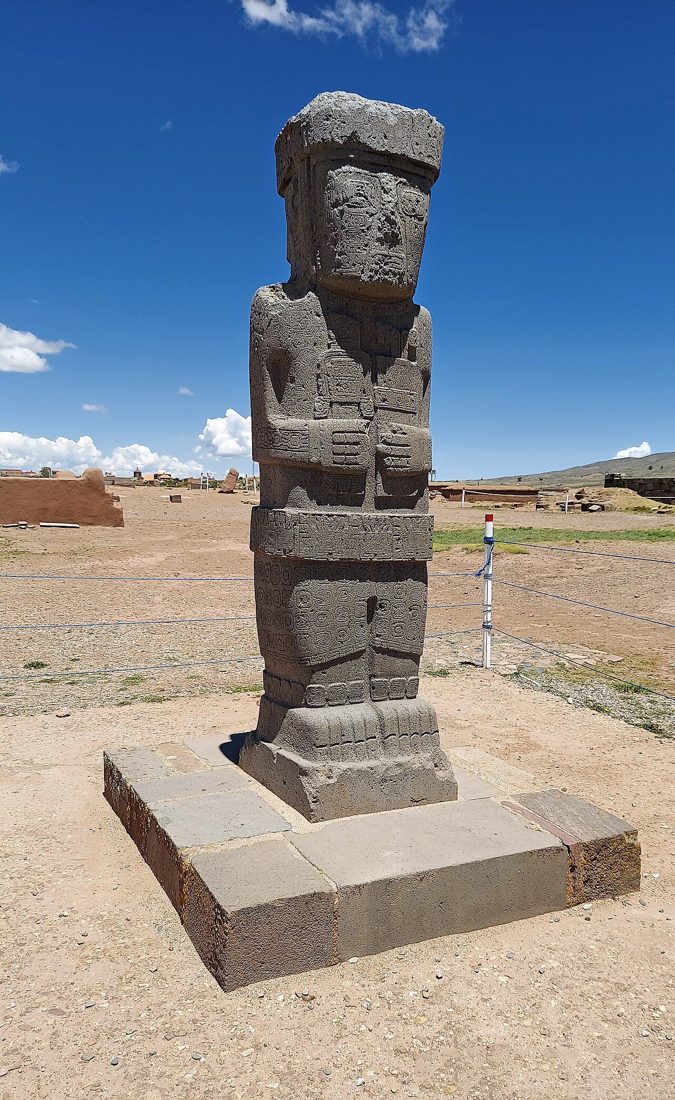
The Ponce monolith at Tiwanaku.
Why these examples belong together
Included as a proposed analogue; the held objects are a difference requiring explicit coding.
object · TiwanakuPonce monolith
The hands hold objects. That relationship differs from hands lying empty across a torso.
Dates, sources & image record
- Date unresolvedunresolved · An individual monument chronology has not been source-checked in this edition.
photograph · P. Hughes. CC BY 4.0. Image record
Existing source image; displayed uncropped. No generated reconstruction.
The project’s illustrated comparison archive
The proposed connection
What makes it a question?
A similar resting arrangement is proposed as a persistent convention across disconnected sculptural traditions.
Newman explicitly compares Urfa Man with distant torso gestures including moai. The Ponce example is the project’s additional proposed comparison, not a claim that Newman identified this exact statue.
Megalithic origins: Göbekli Tepe and Peru
Look closely
What appears to correspond
- Arms descend beside a frontal body; the hands converge or act near the torso.
Keep in the frame
What differs or remains uncertain
- The Ponce figure holds objects; the other poses need separate descriptions.
- The hands are not necessarily directed at the same anatomical point.
- Similar human bodies constrain the number of comfortable or legible sculptural poses.
Transmission check
No route established in this review
No transmission sequence for this specific comparison has been established in the sources reviewed. That is not proof that contact was impossible.
What would move this forward
- Trace object dates and acquisition identities.
- Code exact hand positions, held objects and local sculptural predecessors.
Follow the evidence
Sources & scope
Provisional editorial record; no independent specialist sign-off. Status describes review depth, not the probability of a historical connection.
- claim · Hugh Newman; hosted by Graham Hancock
Guest article, 29 March 2014. Specific comparisons include hands toward the abdomen, sacred centres and distant statuary.
- museum · British Museum
Identifies the statue and back carvings; construction and later carving episodes must be separated.
- project · Deep Memory
Records comparisons assembled from this repository and supplied material. An external first proposer has not been traced for every pair.
- museum · British Museum
Museum account gives an early traditional statue date and a later birdman tradition. Its settlement chronology differs from recent research.
- research · Moreno-Mayar et al., 2024
Ancient-genome evidence supports pre-European admixture dated about 1250–1430 CE. It does not establish a route for a particular motif.
- photograph · Andreas Praefcke
A public-domain frontal photograph showing the arms and hands against the torso more clearly than the previous view.