Each row describes one object, surface or textual scope. A dash means “not recorded”, not “absent”. Features across different rows do not establish co-occurrence.
DAI / K. Schmidt Copyright DAI; source photograph for critical comparison. Image record Source-provided rendition; downloaded bytes unchanged. Annotations are separate SVG overlays.
Source-linked observation
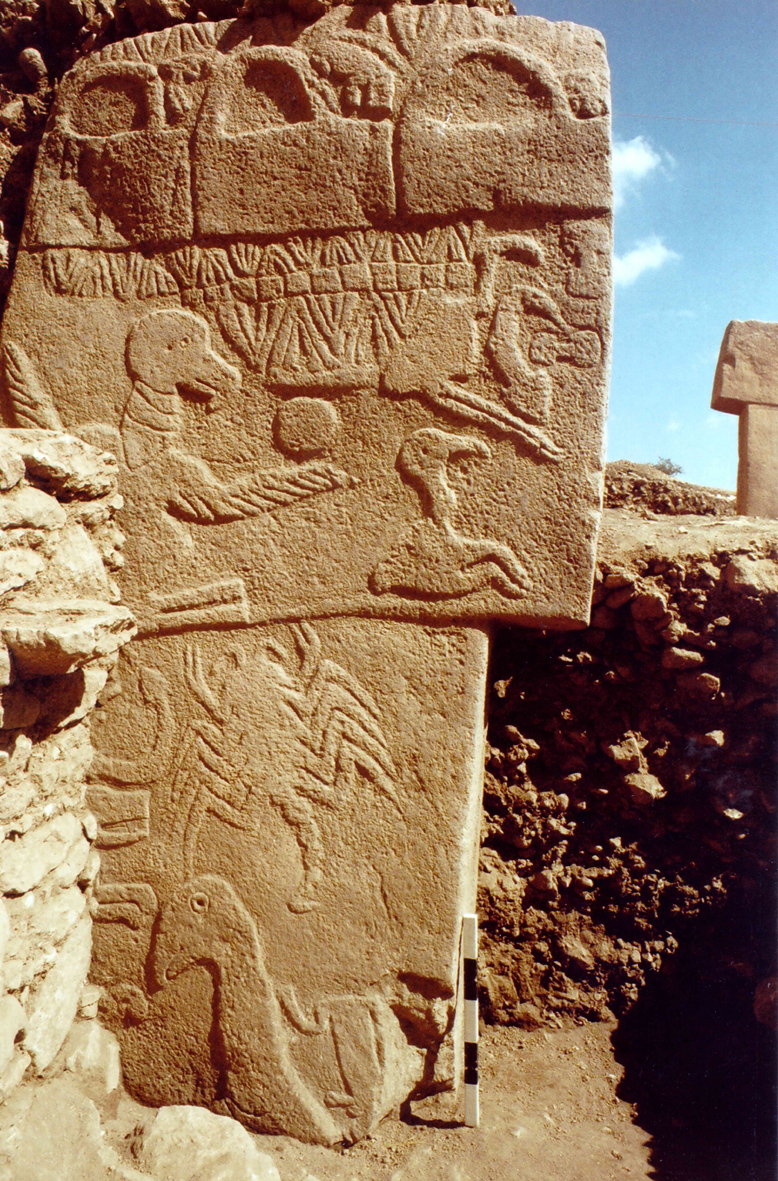
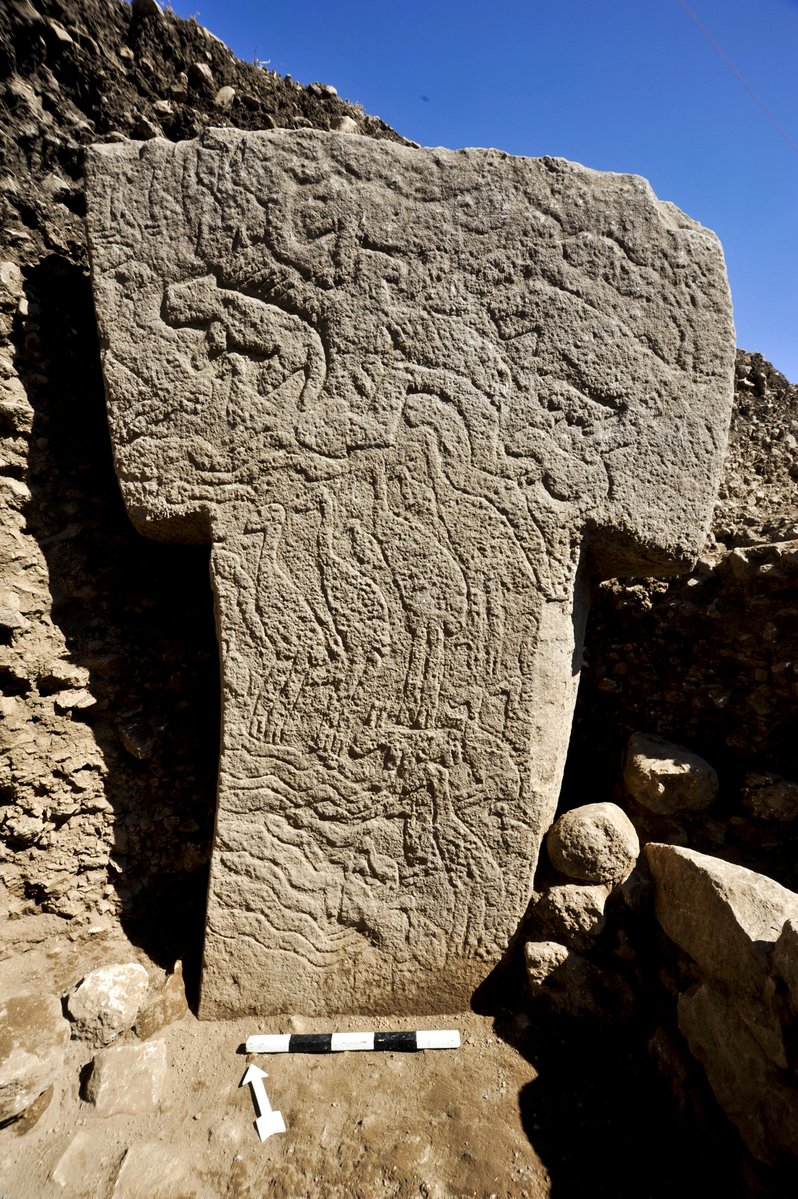
Pillar 38
10th–9th millennia BCE
Bird form
Multiple birds belong to one pillar, not several independent artefacts.
Episode, sources & image
Observation scope: photographed pillar surface
10th–9th millennia BCE · site context Broad published site context. No direct measurement dates this individual motif. Date source
DAI / Göbekli Tepe Project Copyright DAI; source photograph for critical comparison. Image record Source-provided rendition; downloaded bytes unchanged. Annotations are separate SVG overlays.
Source-linked observation
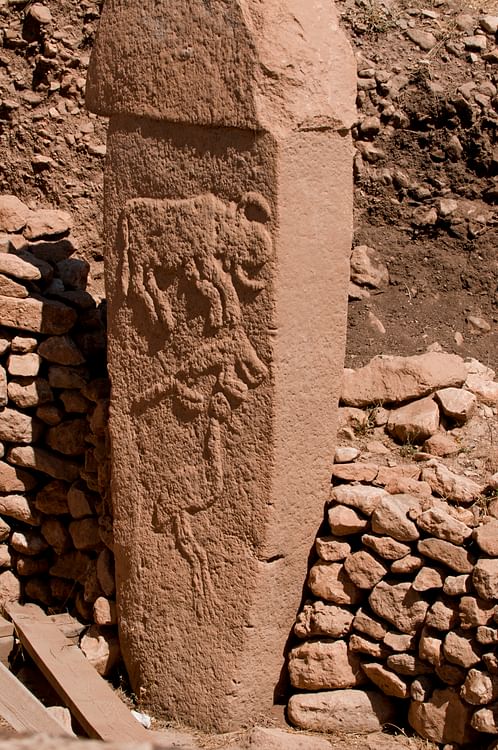
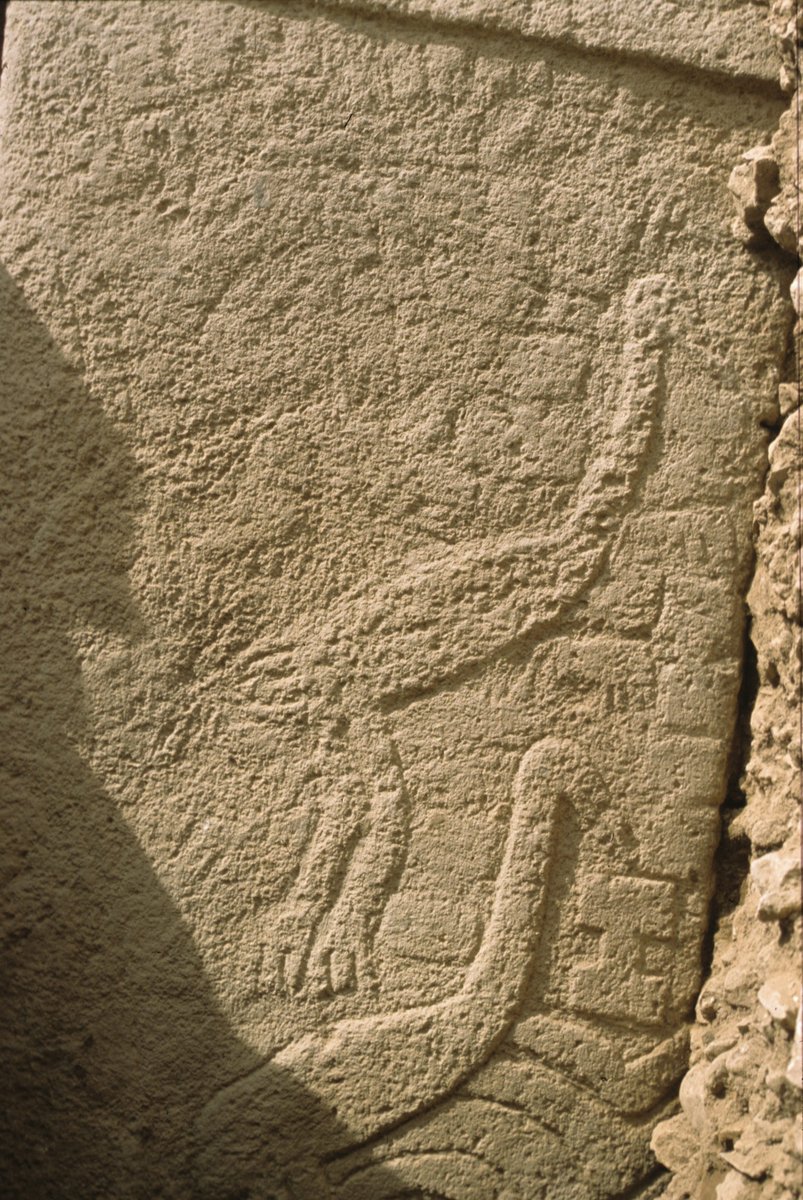
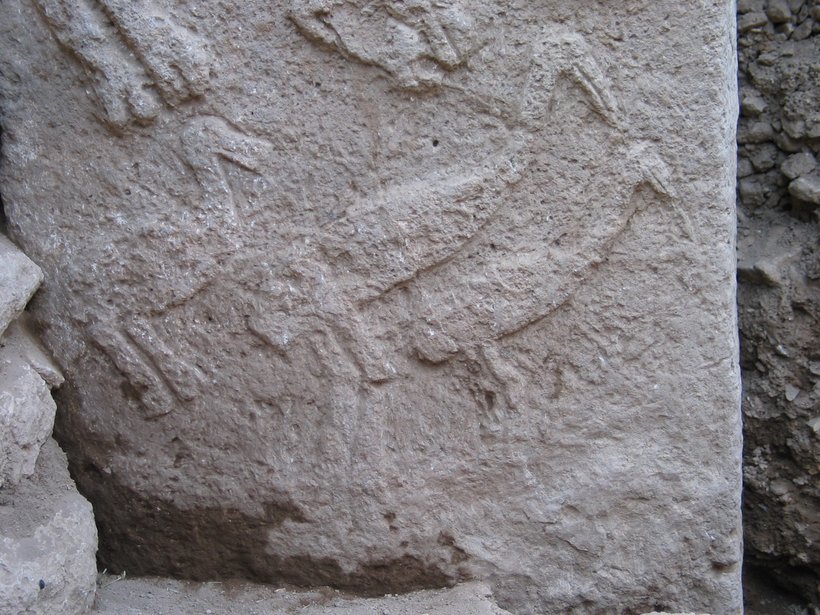
Pillar 56
10th–9th millennia BCE
Bird form
A local anatomical contrast; the source treats these legs as more naturalistic.
Episode, sources & image
Observation scope: photographed pillar surface
10th–9th millennia BCE · site context Broad published site context. No direct measurement dates this individual motif. Date source
DAI / N. Becker Copyright DAI; source photograph for critical comparison. Image record Source-provided rendition; downloaded bytes unchanged. Annotations are separate SVG overlays.
Cultural context
Rapanui traditions
Source-linked observation
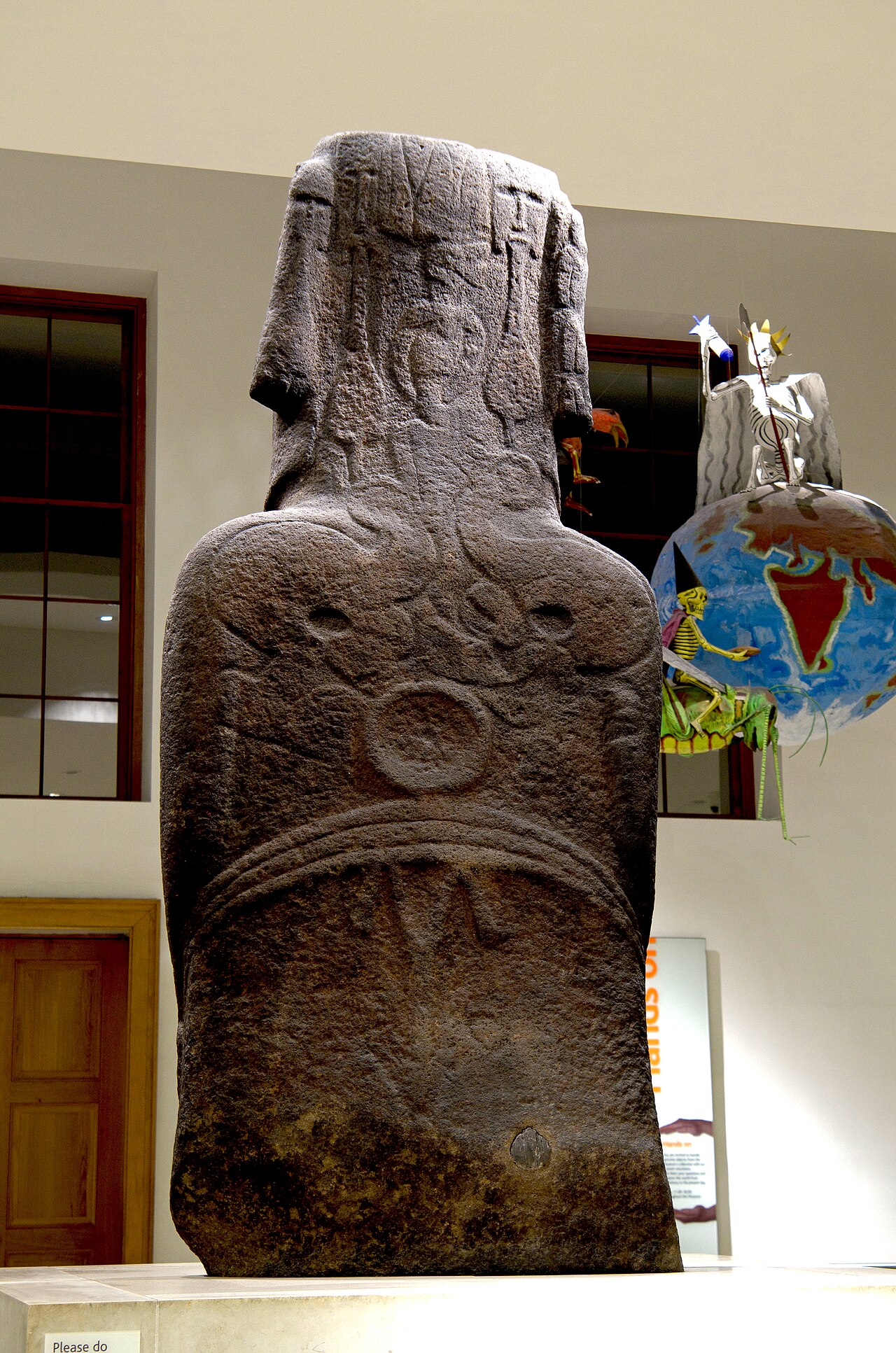
Hoa Hakananai’a · back
Date unresolved
Bird formHuman-shaped body or limbs
Birdman carvings on the back; not the older statue’s frontal hands.
Episode, sources & image
Observation scope: single surface
Date unresolved · unresolved Later birdman carving episode. Do not assign the museum’s original statue date to the back motifs.
Photographer not identified; Mana Expedition / British Museum archive Public domain Image record Existing source image; displayed uncropped. No generated reconstruction.
Source-linked observation
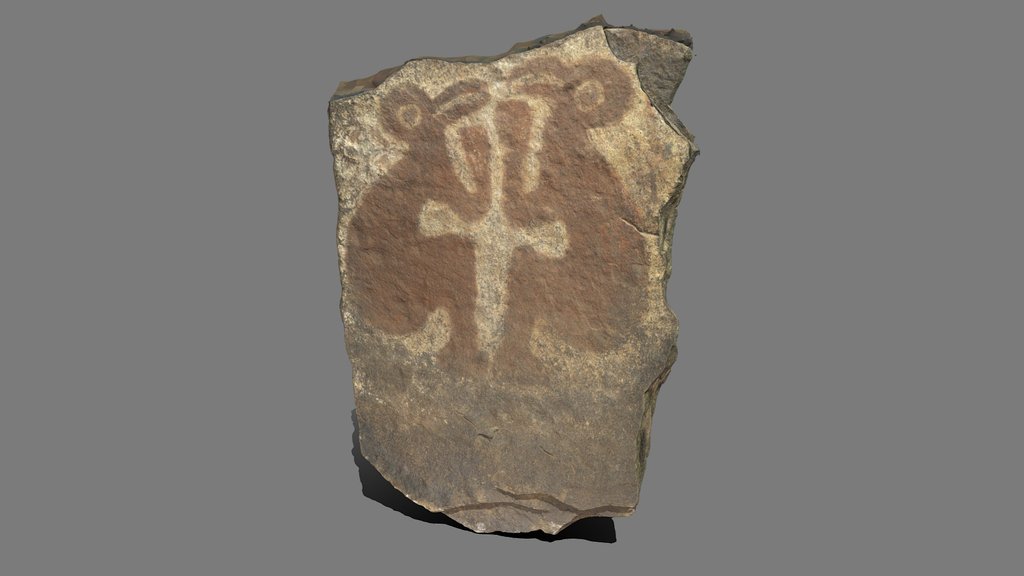
Orongo painted slab
Date unresolved
Bird formHuman-shaped body or limbs
Painted birdman from the Orongo repertoire.
Episode, sources & image
Observation scope: single surface
Date unresolved · unresolved The 1974 museum transfer and 2020 digital recording do not date the painting.
Factum Foundation / Museo Rapa Nui No open licence stated; small preview reproduced for critical comparison Image record Unchanged publisher preview; a recorded surface, not an AI reconstruction.
Cultural context
Assyrian imagery
Source-linked observation
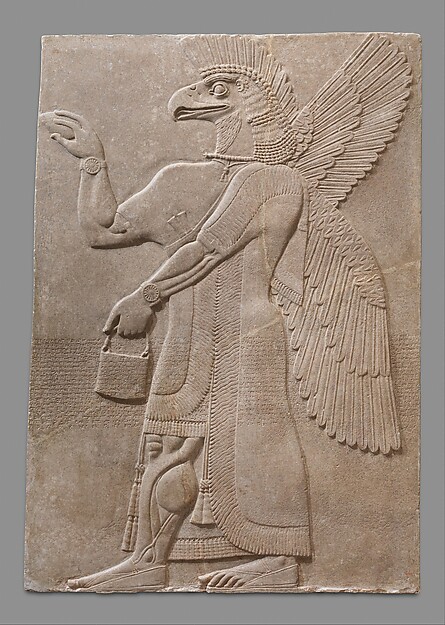
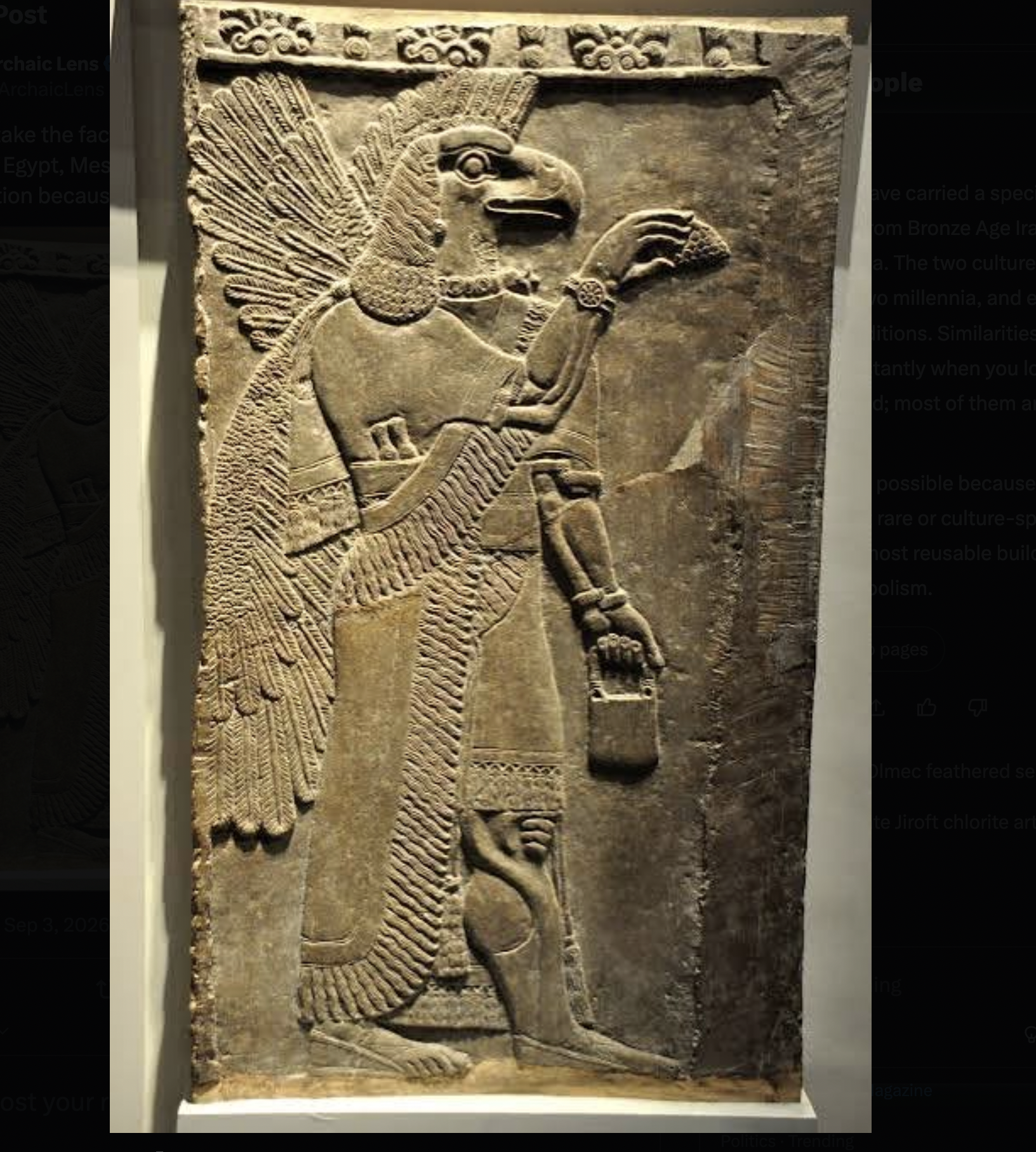
Nimrud protective figure
c. 883–859 BCE
Bird formHuman-shaped body or limbs
Museum-documented bird-headed protective figure.
Episode, sources & image
Observation scope: single surface
c. 883–859 BCE · production Museum attribution to the palace of Ashurnasirpal II. Date source
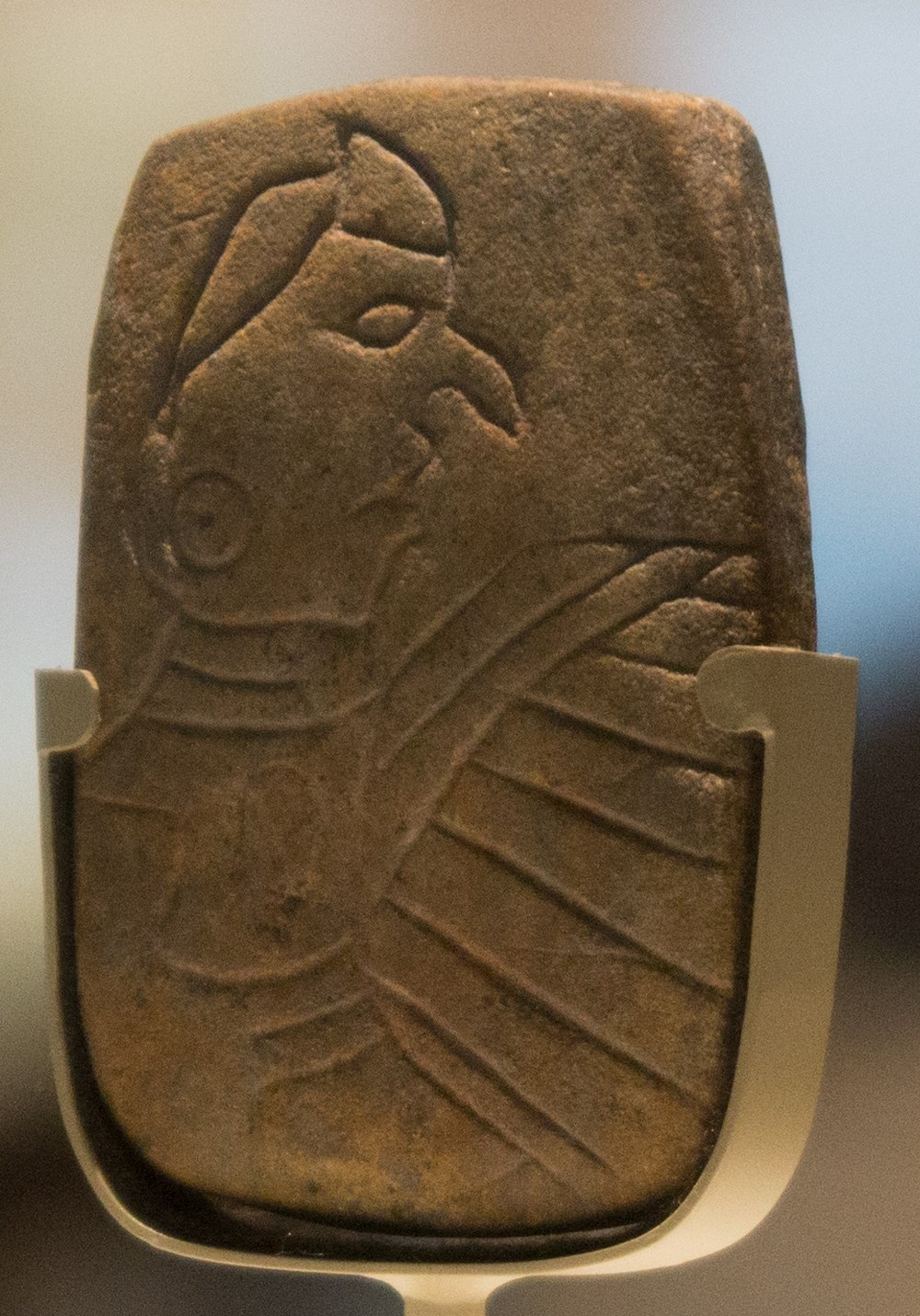
Paul Sableman CC BY 2.0 Image record Cropped from the source photograph to the tablet and its mount, then reduced to 1000 px wide. No other change.
Cultural context
Tiwanaku
Source-linked observation
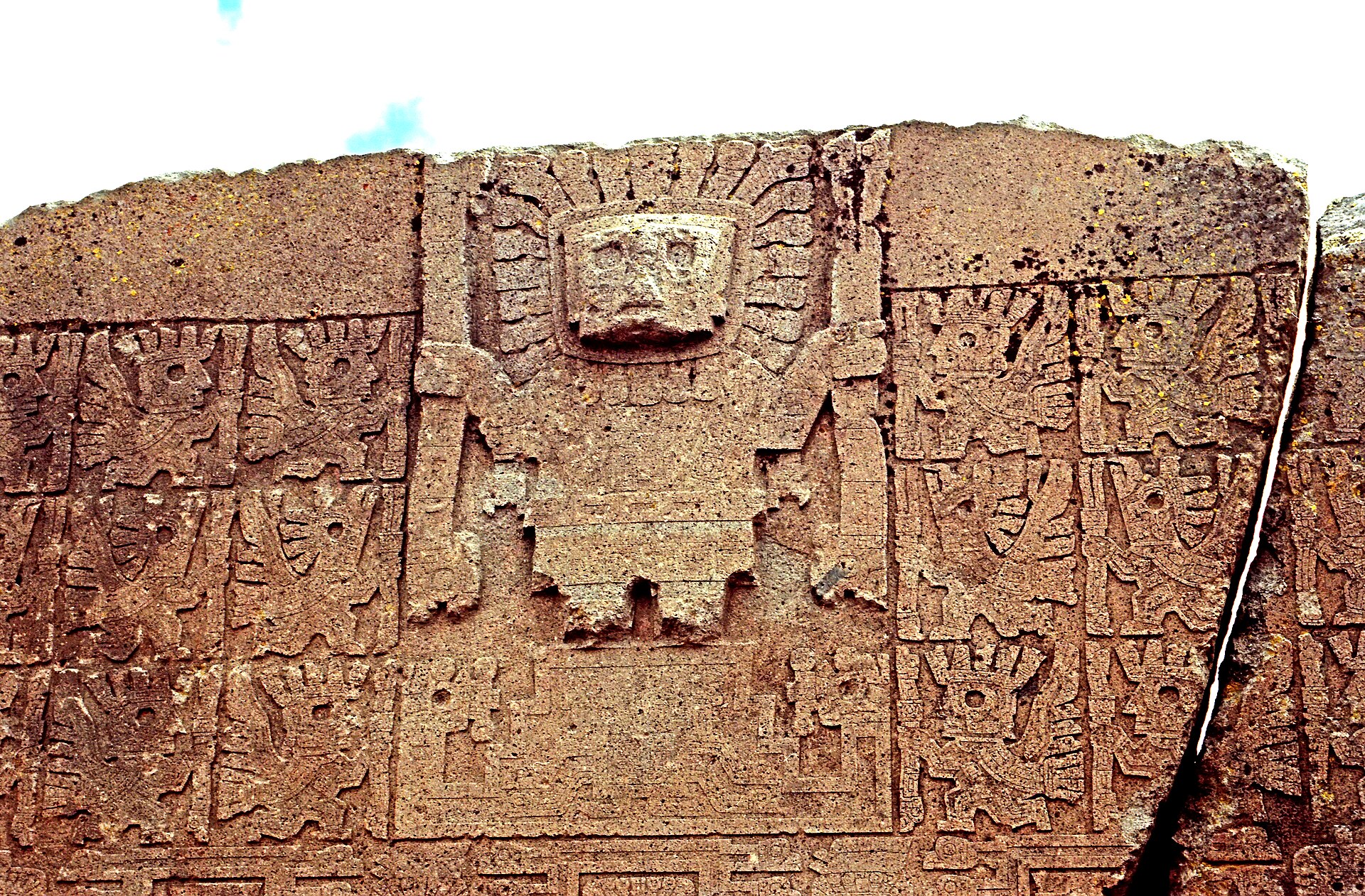
Gate of the Sun · frieze
Carving date unresolved here
Bird formHuman-shaped body or limbs
Bird-headed attendants are visible in the frieze; the central figure is a separate motif.
Episode, sources & image
Observation scope: single surface
Carving date unresolved here · unresolved The input register gives a broad Tiwanaku-period attribution. No object-specific dating source has been checked for this entry.
Photographer and panel unresolved Rights unresolved; supplied claim image Image record Existing source image; displayed uncropped. No generated reconstruction.
Cultural context
Late & Ptolemaic Egypt
Source-linked observation
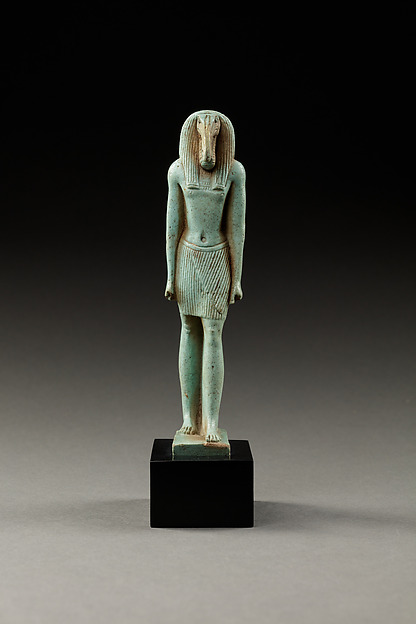
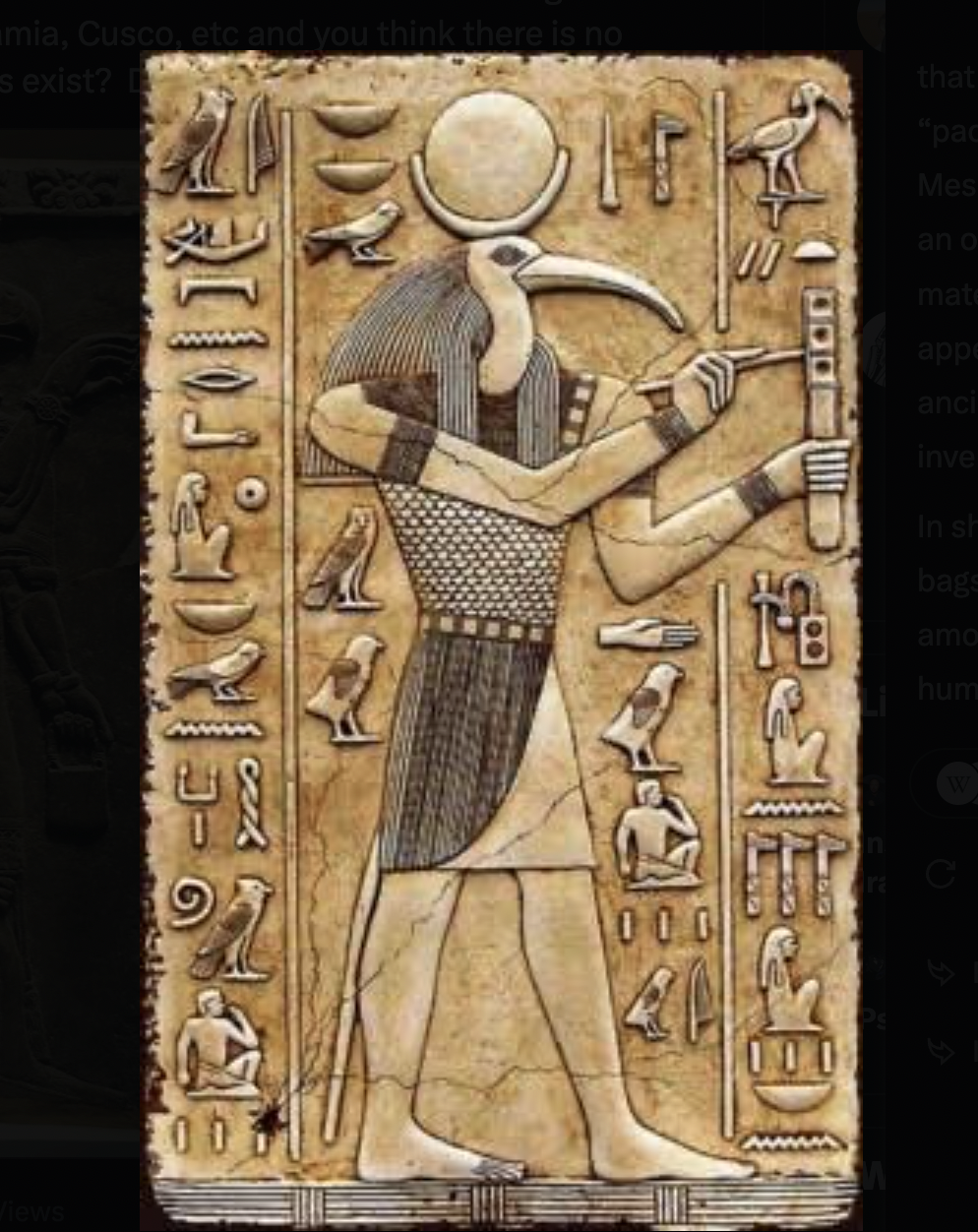
Striding Thoth
664–332 BCE
Bird formHuman-shaped body or limbs
A beaked human form with a substantially different pose.
Episode, sources & image
Observation scope: single figure in museum photograph
664–332 BCE · production Museum attribution; provenance and production place are not inferred from the modern collection. Date source
The Metropolitan Museum of Art Public domain / Open Access. Image record Source-provided rendition; downloaded bytes unchanged. Annotations are separate SVG overlays.
Source-linked observation
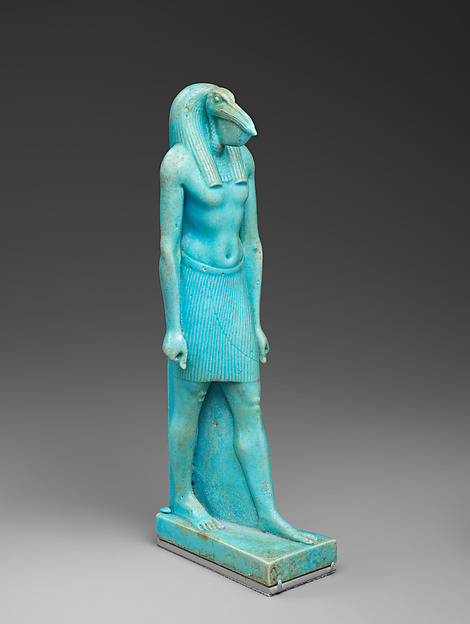
Striding Thoth
332–30 BCE
Bird formHuman-shaped body or limbs
A closer anatomical parallel than a shared arrangement.
Episode, sources & image
Observation scope: single figure in museum photograph
332–30 BCE · production Museum attribution; provenance and production place are not inferred from the modern collection. Date source
The Metropolitan Museum of Art Public domain / Open Access. Image record Source-provided rendition; downloaded bytes unchanged. Annotations are separate SVG overlays.
Source-linked observation
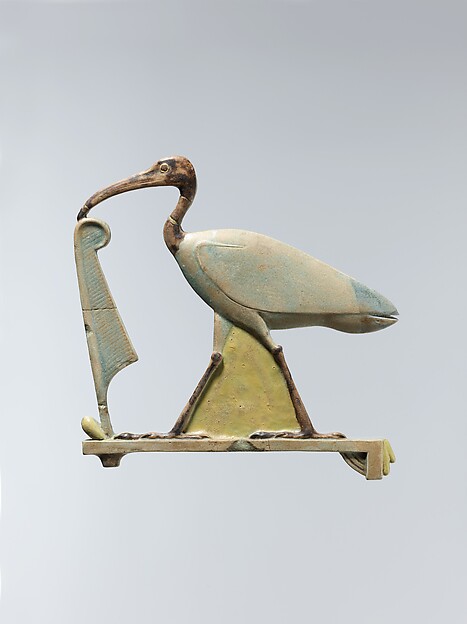
Thoth as an ibis
360–343 BCE
Bird form
A bird beside an emblem: similar ingredients, different anatomical relation.
Episode, sources & image
Observation scope: single figure in museum photograph
360–343 BCE · production Museum attribution; provenance and production place are not inferred from the modern collection. Date source
The Metropolitan Museum of Art Public domain / Open Access. Image record Source-provided rendition; downloaded bytes unchanged. Annotations are separate SVG overlays.
The identification queue
Leads worth following.
Preserved claims and images, awaiting the checks needed for object records.
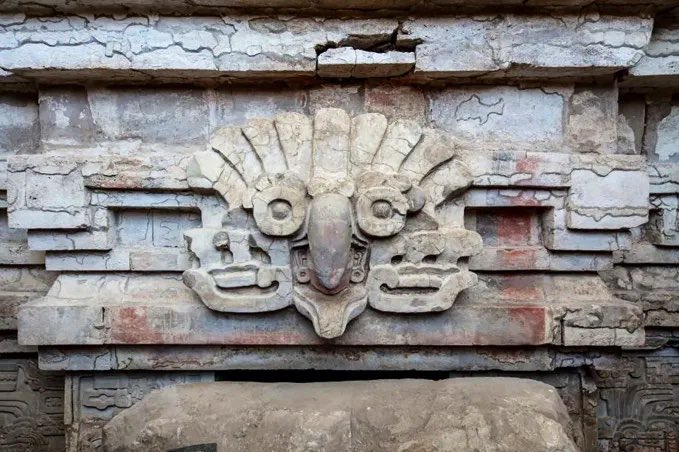
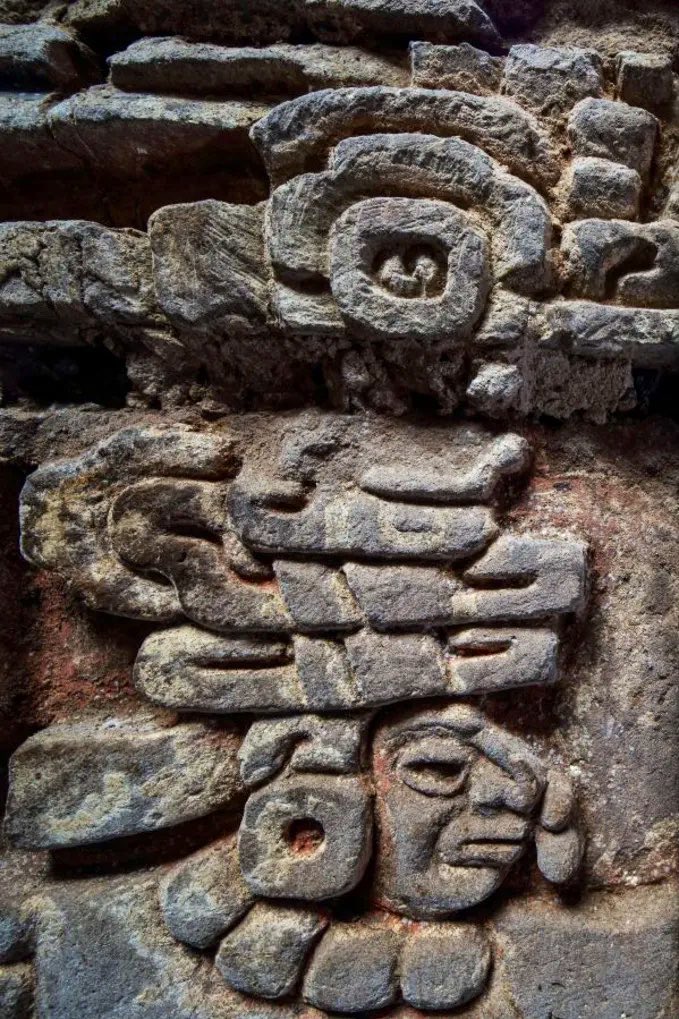
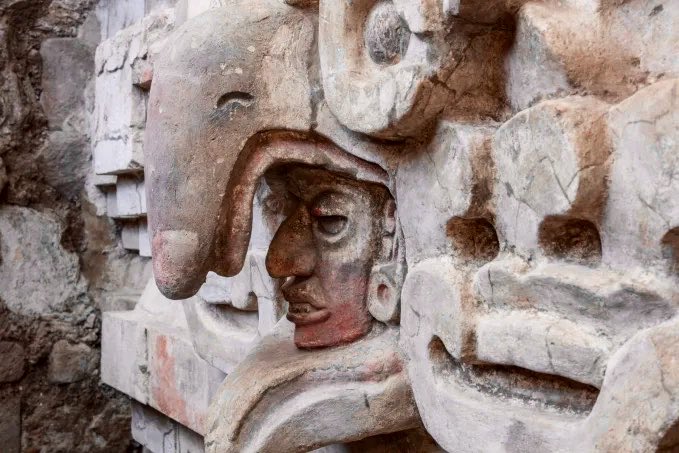
Identification open · claim
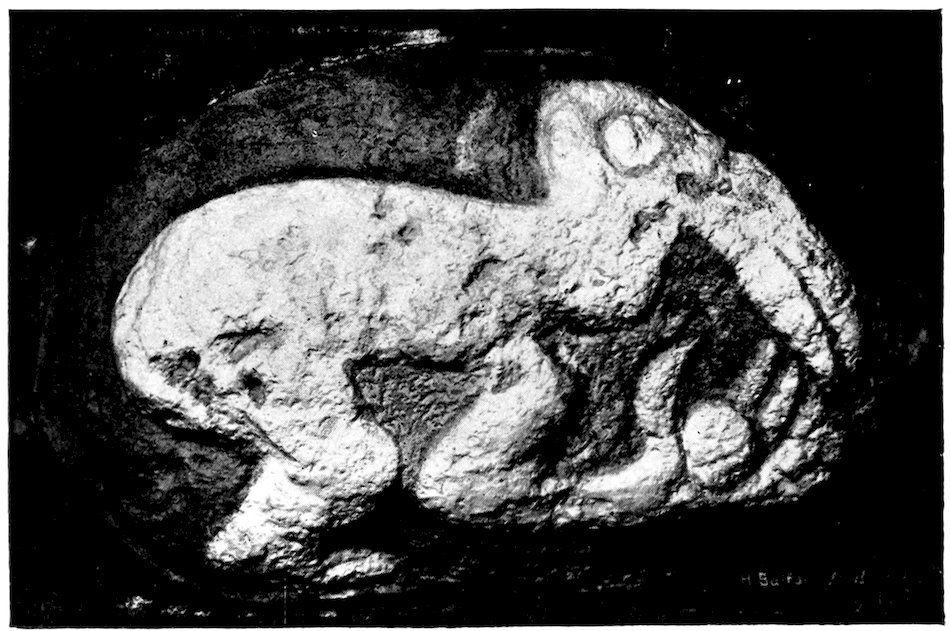
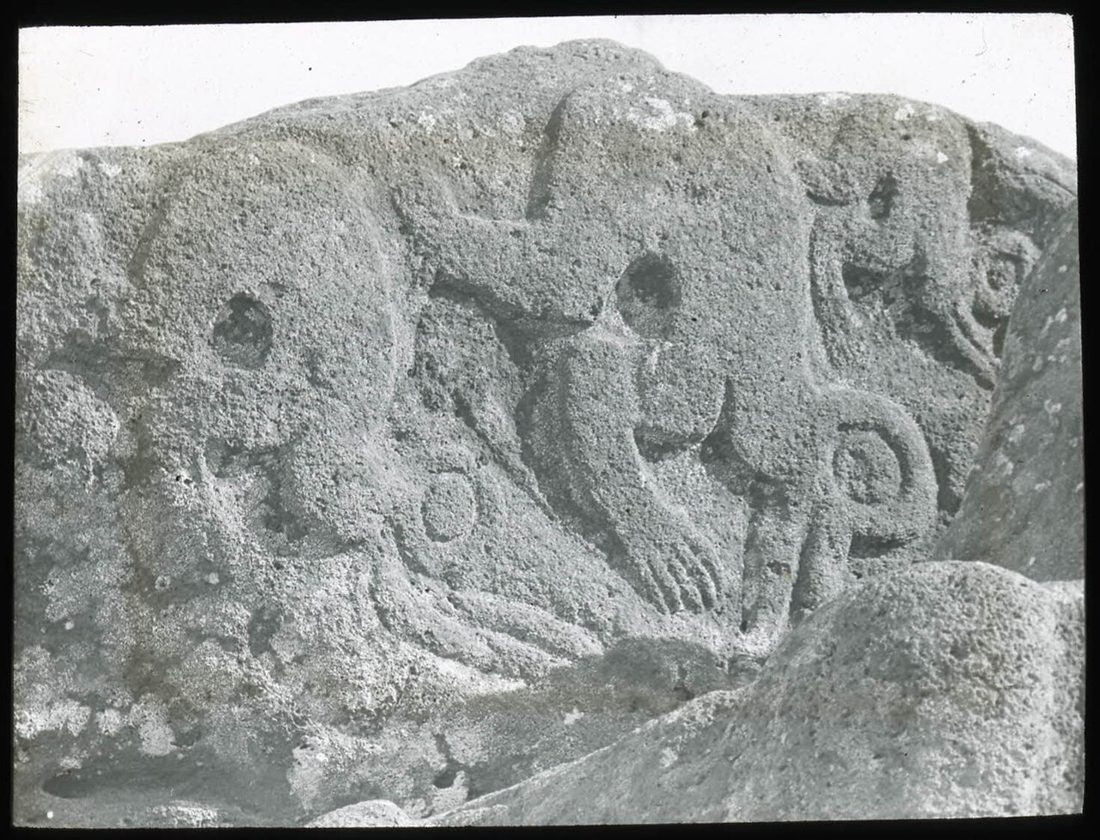
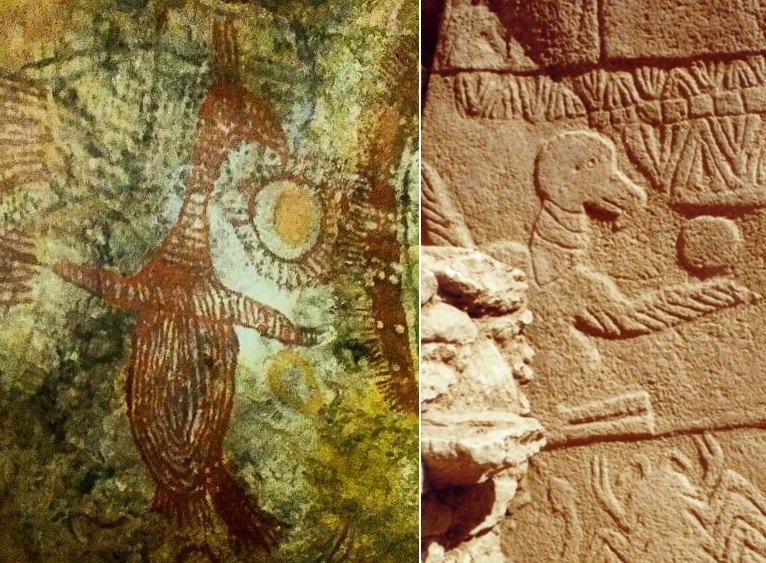
Faces within birdlike masks
Three views may include the same architectural carving. No site, period or collection identity has been adopted from resemblance alone.
Images, source check & next step
Frontal carved bird mask; site and object unverified. Supplied reference; original photographer or compiler uncredited unless stated in the audit. Rights unresolved; retained for source criticism. Not covered by the code licence.Human face below a birdlike beak, side view; site unverified. Supplied reference; original photographer or compiler uncredited unless stated in the audit. Rights unresolved; retained for source criticism. Not covered by the code licence.Oblique view of a human face inside a birdlike form; identity unverified. Supplied reference; original photographer or compiler uncredited unless stated in the audit. Rights unresolved; retained for source criticism. Not covered by the code licence.
Next: Match the architecture and carving to a site record before splitting these into separate objects.
The image resembles Thoth iconography. It has no object identifier or provenance; a modern reproduction remains possible.
Images, source check & next step
Ibis-headed Egyptian-style figure in a supplied image; object and authenticity unresolved. Supplied reference; original photographer or compiler uncredited unless stated in the audit. Rights unresolved; retained for source criticism. Not covered by the code licence.
Next: Find the original object or maker before assigning an ancient date.
Bucket, cone and bird-headed figure are visible. It is not assumed to be the Met panel already registered.
Images, source check & next step
Bird-headed protective figure with bucket and cone; exact relief record untraced. Supplied reference; original photographer or compiler uncredited unless stated in the audit. Rights unresolved; retained for source criticism. Not covered by the code licence.
Next: Identify the museum relief and attach this image to its correct object.
The moai image differs from the documented back. The supplied planning text calls it AI-generated, but its production history has not been proved. It is excluded as an archaeological photograph.
Images, source check & next step
Next: Keep the poster as a presentation audit and compare only documented photographs.
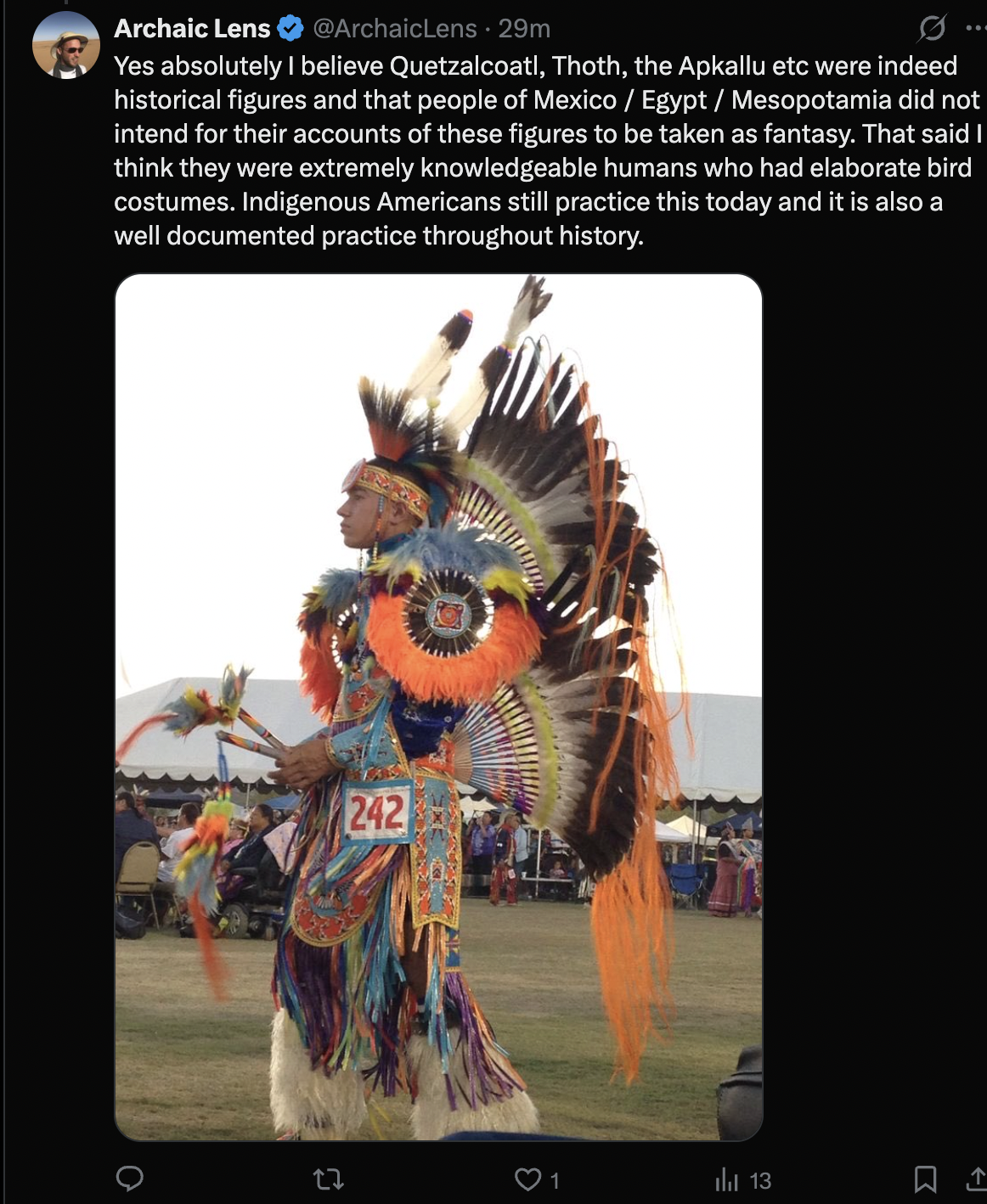
The post proposes that bird figures represent costumed people. A modern performance photograph does not identify the meaning of an ancient carving; community and event are unverified.
Images, source check & next step
Modern feather-regalia photograph used in a post’s bird-costume argument; community and event unverified. Supplied reference; original photographer or compiler uncredited unless stated in the audit. Rights unresolved; retained for source criticism. Not covered by the code licence.
Next: Trace the photograph and relevant community interpretation.
The planning note proposes Çatalhöyük, Nevalı Çori, Egyptian stelae, Izapa, Moche, Nazca, Northwest Coast crest art, Norse stones, Shang bronzes and Etowah plates, alongside already registered Assyrian, Australian and Cahokia material. These suggestions are not a completed corpus or evidence of independent invention.
Images, source check & next step
Next: Select bounded, documented corpora before collecting similarity scores.