Cases
Every anomaly in the catalog. Sort any column; filter by fate. “Evidence then” shows the eight features as they stood when the claim was made.
| Fate | Case | Where | Kind | Claimed age | Claimed | Verdict | Years | Leap | Evidence then | Record |
|---|---|---|---|---|---|---|---|---|---|---|
| Open | Jebel IrhoudSkulls once read as Neanderthal; dated in 2017 to ~315,000 years and proposed as earliest H. sapiens. | Morocco | Too early | 313k yrs | 2017 | open | 9+ | 1.6× | Reviewed | |
| Open | HueyatlacoStone tools near Puebla found with bone dated to ~245,000 years, an age the excavator herself rejected. | Mexico | Too early | 242k yrs | 1969 | open | 57+ | 18× | Reviewed | |
| Refuted | Calico Early Man SiteChipped chert from a Mojave alluvial fan that Louis Leakey took for tools; most now see natural breakage. | United States | Too early | 100k–500k yrs | 1968 | 1973 | 5 | 17× | Reviewed | |
| Refuted | Japanese Early Paleolithic hoax (Fujimura finds)An amateur's finds took Japan's human past back 700,000 years, until a newspaper filmed him burying them. | Japan | Too early | 30k–700k yrs | 1981 | 2002 | 21 | 4.8× | Reviewed | |
| Open | Cerutti Mastodon siteBroken mastodon bones beside heavy cobbles in a San Diego freeway cut, dated to about 130,000 years ago. | United States | Too early | 130k yrs | 2017 | open | 9+ | 8.7× | Reviewed | |
| Open | Madjedbebe (Malakunanja II)Tools in a northern Australian rock shelter that may put people in Australia 65,000 years ago. | Australia | Too early | 65k yrs | 2017 | open | 9+ | 1.3× | Reviewed | |
| Open | Topper SiteA South Carolina chert quarry where pieces in sediment over 50,000 years old may be tools or natural breaks. | United States | Too early | 50k yrs | 2004 | open | 22+ | 3.4× | Reviewed | |
| Open | Boqueirão da Pedra FuradaA Brazilian rock shelter where charcoal and flaked pebbles may place people 30,000+ years ago. | Brazil | Too early | 44k yrs | 1984 | open | 42+ | 3.3× | Reviewed | |
| Vindicated | DenisovansA new human lineage identified in 2010 from a finger bone's DNA, before any diagnostic skeleton was found. | Russia | New lineage | 30k–48k yrs | 2010 | 2010 | 0 | — | Reviewed | |
| Open | Bluefish CavesYukon caves whose cut-marked bones may place people in North America at the height of the last Ice Age. | Canada | Too early | 29k yrs | 1982 | open | 44+ | 2.1× | Reviewed | |
| Vindicated | Homo floresiensis ("the Hobbit")A 1-metre Flores skeleton, called a diseased modern human by critics, is now a distinct hominin species. | Indonesia | New lineage | 18k–38k yrs | 2004 | 2016 | 12 | — | Reviewed | |
| Open | White Sands footprintsHuman footprints in an ice-age New Mexico lakebed, dated to ~23,000–21,000 years ago; the dates are disputed. | United States | Too early | 22k yrs | 2021 | open | 5+ | 1.3× | Reviewed | |
| Unsupported | Gunung PadangA claimed Ice Age pyramid inside a Javan megalith hill; the paper was retracted in 2024. | Indonesia | Capability | 16k–27k yrs | 2013 | — | 13 | — | Reviewed | |
| Refuted | Bosnian PyramidsNatural Miocene hills at Visoko, promoted as pyramids first ~12,000 and later ~34,000 years old. | Bosnia and Herzegovina | Capability | 12k–34k yrs | 2005 | 2006 | 1 | — | Reviewed | |
| Vindicated | Monte Verde (MV-II)A peat-sealed campsite in southern Chile that broke Clovis-first; its age was challenged again in 2026. | Chile | Too early | 15k yrs | 1982 | 1997 | 15 | 1.1× | Reviewed | |
| Vindicated | Paisley CavesAncient Oregon cave feces predate Clovis; the DNA that called them human misclassified some as carnivore. | United States | Too early | 14k yrs | 2008 | 2020 | 12 | 1.1× | Reviewed | |
| Vindicated | Göbekli TepeMegaliths in Turkey show hunter-gatherers built monumental enclosures before farming began. | Turkey | Capability | 11k yrs | 1995 | 2000 | 5 | — | Reviewed | |
| Open | Great Sphinx Weathering ControversyDeep weathering around the Great Sphinx, read by a geologist as a sign it was carved millennia before Khafre. | Egypt | Too early | 7.9k yrs | 1991 | open | 35+ | 1.8× | Reviewed | |
| Refuted | GlozelA French field yielded 'Neolithic' tablets in an unknown script; critics soon called them forgeries. | France | Capability | 5.7k yrs | 1925 | 1927 | 2 | — | Reviewed | |
| Vindicated | Troy / HisarlıkA mound in Turkey confirmed as Troy; whether Homer's war really happened is still unsettled. | Turkey | Legend | 3.1k yrs | 1865 | 1894 | 29 | — | Reviewed | |
| Open | Tecaxic-Calixtlahuaca "Roman head"A Roman-looking clay head from a Mexican burial dug in 1933; its date, context and origin are all disputed. | Mexico | Contact | 1.7k yrs | 1960 | open | 66+ | — | Reviewed | |
| Vindicated | L'Anse aux MeadowsOvergrown ridges in Newfoundland were a Norse camp of c. AD 1000, the first authenticated in North America. | Canada | Legend | 950 yrs | 1960 | 1968 | 8 | — | Reviewed | |
| Refuted | Kensington RunestoneA Minnesota farm find of 1898, runically dated 1362, that two professors judged not medieval in 1899. | United States | Contact | 590 yrs | 1898 | 1899 | 1 | — | Reviewed | |
| Refuted | Cardiff GiantA carved gypsum figure buried on a New York farm in 1868, dug up in 1869 and shown as a petrified giant. | United States | Object | — | 1869 | 1869 | 0 | — | Reviewed | |
| Open | Meadowcroft RockshelterA Pennsylvania rockshelter with charcoal dates of up to 19,000 radiocarbon years, long before Clovis. | United States | Too early | — | 1977 | open | 49+ | — | Reviewed | |
| Refuted | Piltdown ManSkull pieces and an ape jaw from a Sussex gravel pit, hailed as an early human in 1912, shown forged in 1953. | United Kingdom | New lineage | — | 1912 | 1953 | 41 | — | Reviewed |
Jebel Irhoud
Skulls once read as Neanderthal; dated in 2017 to ~315,000 years and proposed as earliest H. sapiens.
Hueyatlaco
Stone tools near Puebla found with bone dated to ~245,000 years, an age the excavator herself rejected.
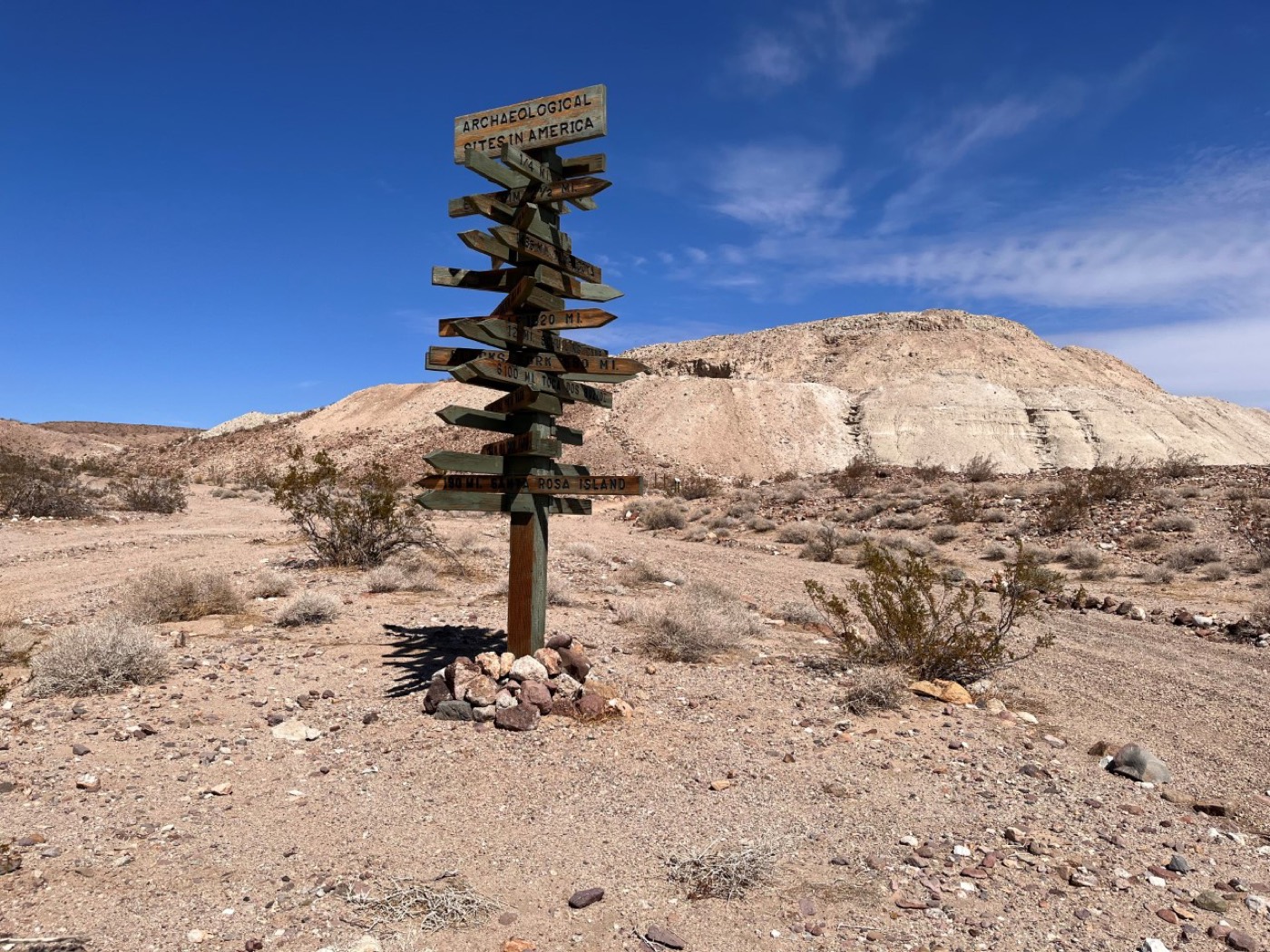
Calico Early Man Site
Chipped chert from a Mojave alluvial fan that Louis Leakey took for tools; most now see natural breakage.
Japanese Early Paleolithic hoax (Fujimura finds)
An amateur's finds took Japan's human past back 700,000 years, until a newspaper filmed him burying them.
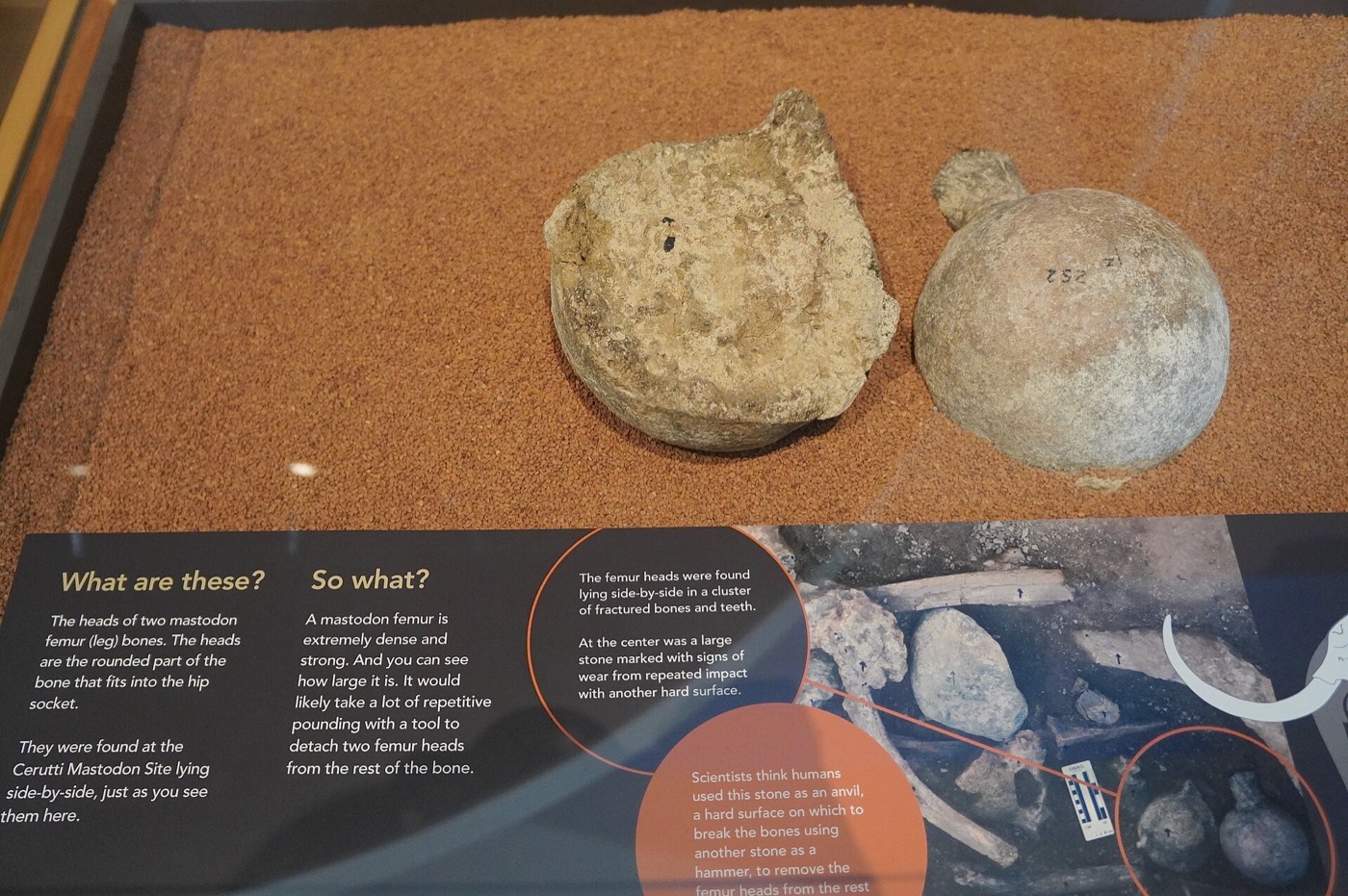
Cerutti Mastodon site
Broken mastodon bones beside heavy cobbles in a San Diego freeway cut, dated to about 130,000 years ago.
Madjedbebe (Malakunanja II)
Tools in a northern Australian rock shelter that may put people in Australia 65,000 years ago.
Topper Site
A South Carolina chert quarry where pieces in sediment over 50,000 years old may be tools or natural breaks.
Boqueirão da Pedra Furada
A Brazilian rock shelter where charcoal and flaked pebbles may place people 30,000+ years ago.
Denisovans
A new human lineage identified in 2010 from a finger bone's DNA, before any diagnostic skeleton was found.
Bluefish Caves
Yukon caves whose cut-marked bones may place people in North America at the height of the last Ice Age.
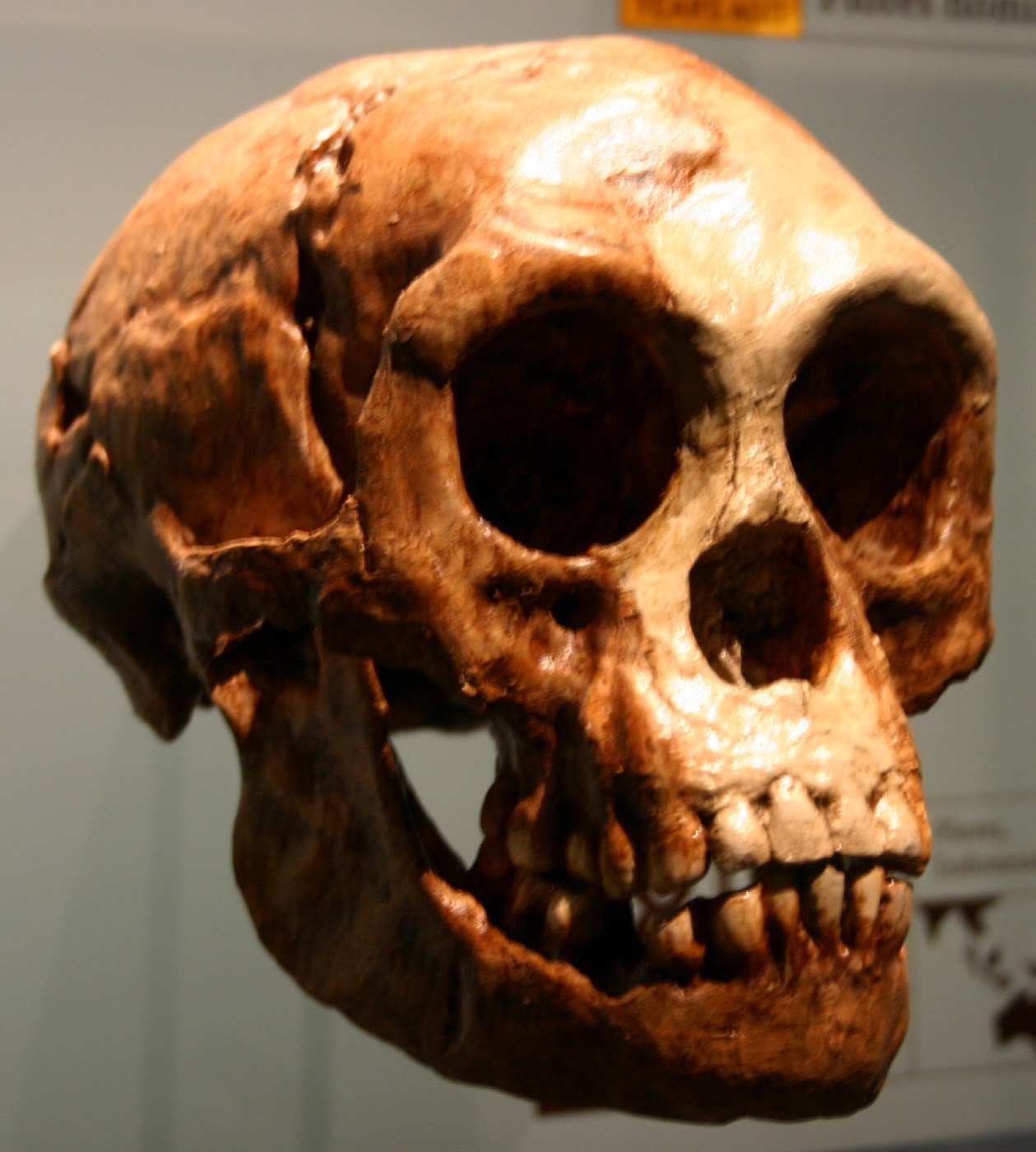
Homo floresiensis ("the Hobbit")
A 1-metre Flores skeleton, called a diseased modern human by critics, is now a distinct hominin species.
White Sands footprints
Human footprints in an ice-age New Mexico lakebed, dated to ~23,000–21,000 years ago; the dates are disputed.
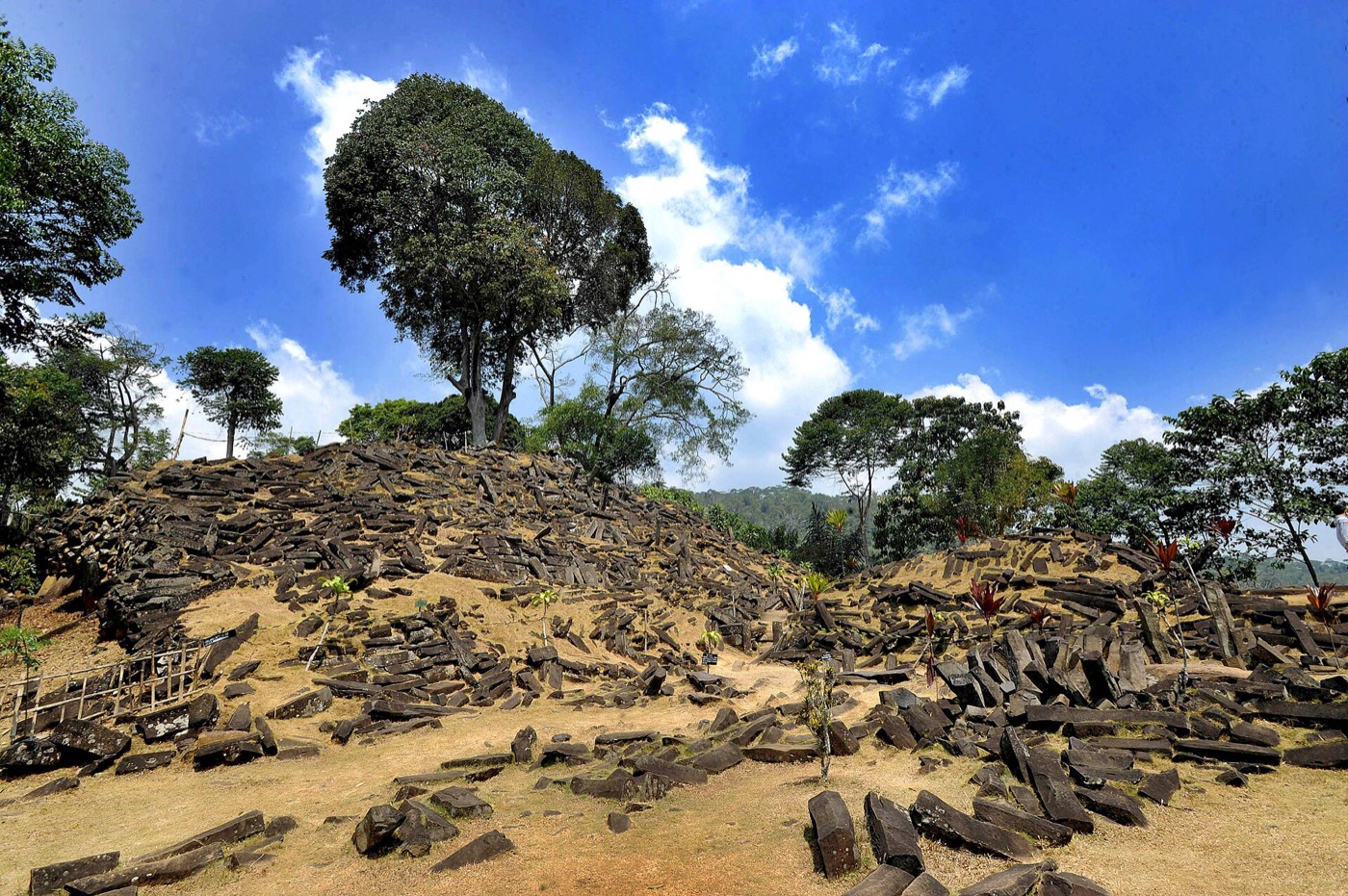
Gunung Padang
A claimed Ice Age pyramid inside a Javan megalith hill; the paper was retracted in 2024.
Bosnian Pyramids
Natural Miocene hills at Visoko, promoted as pyramids first ~12,000 and later ~34,000 years old.
Monte Verde (MV-II)
A peat-sealed campsite in southern Chile that broke Clovis-first; its age was challenged again in 2026.
Paisley Caves
Ancient Oregon cave feces predate Clovis; the DNA that called them human misclassified some as carnivore.
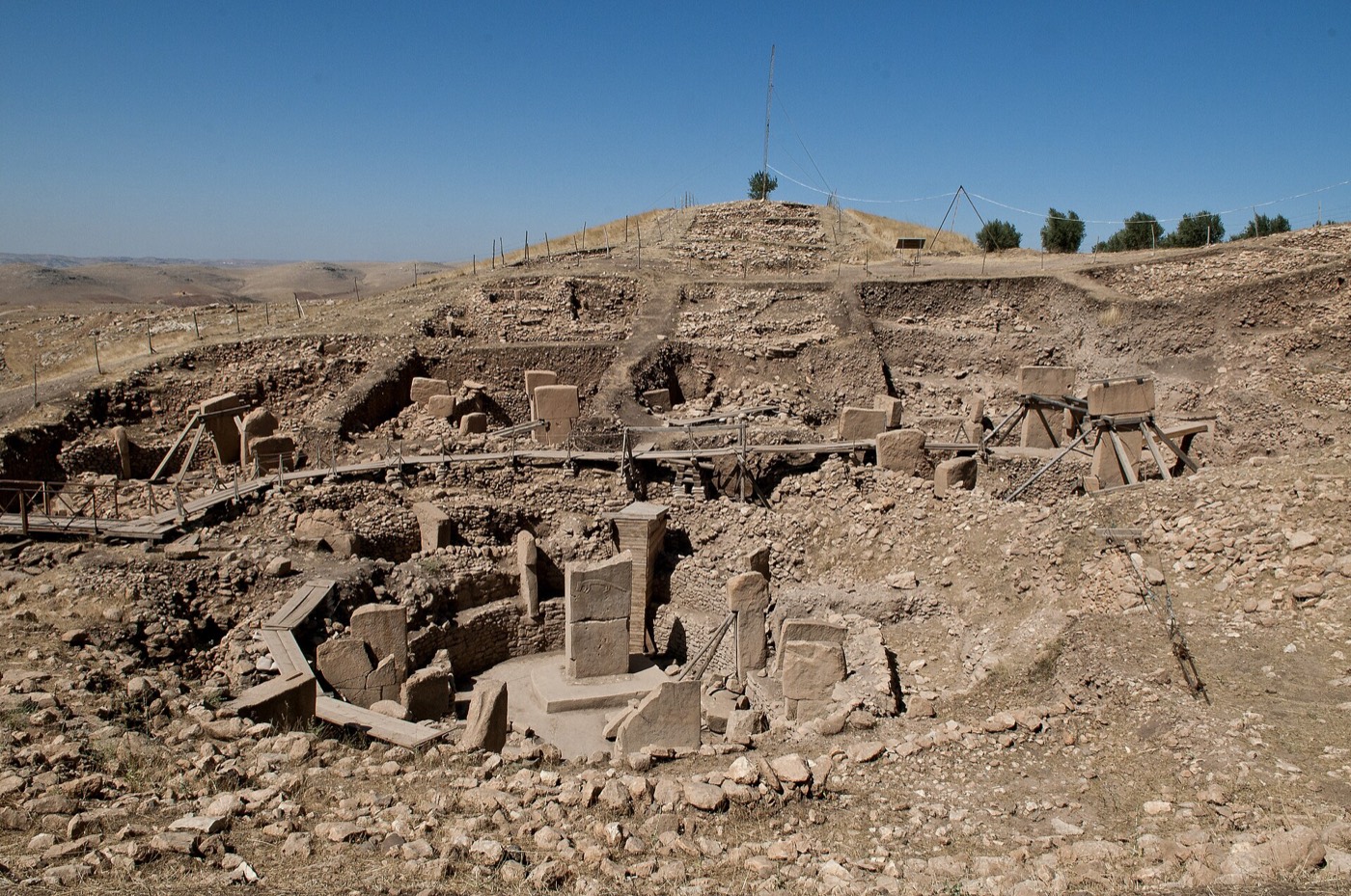
Göbekli Tepe
Megaliths in Turkey show hunter-gatherers built monumental enclosures before farming began.

Great Sphinx Weathering Controversy
Deep weathering around the Great Sphinx, read by a geologist as a sign it was carved millennia before Khafre.
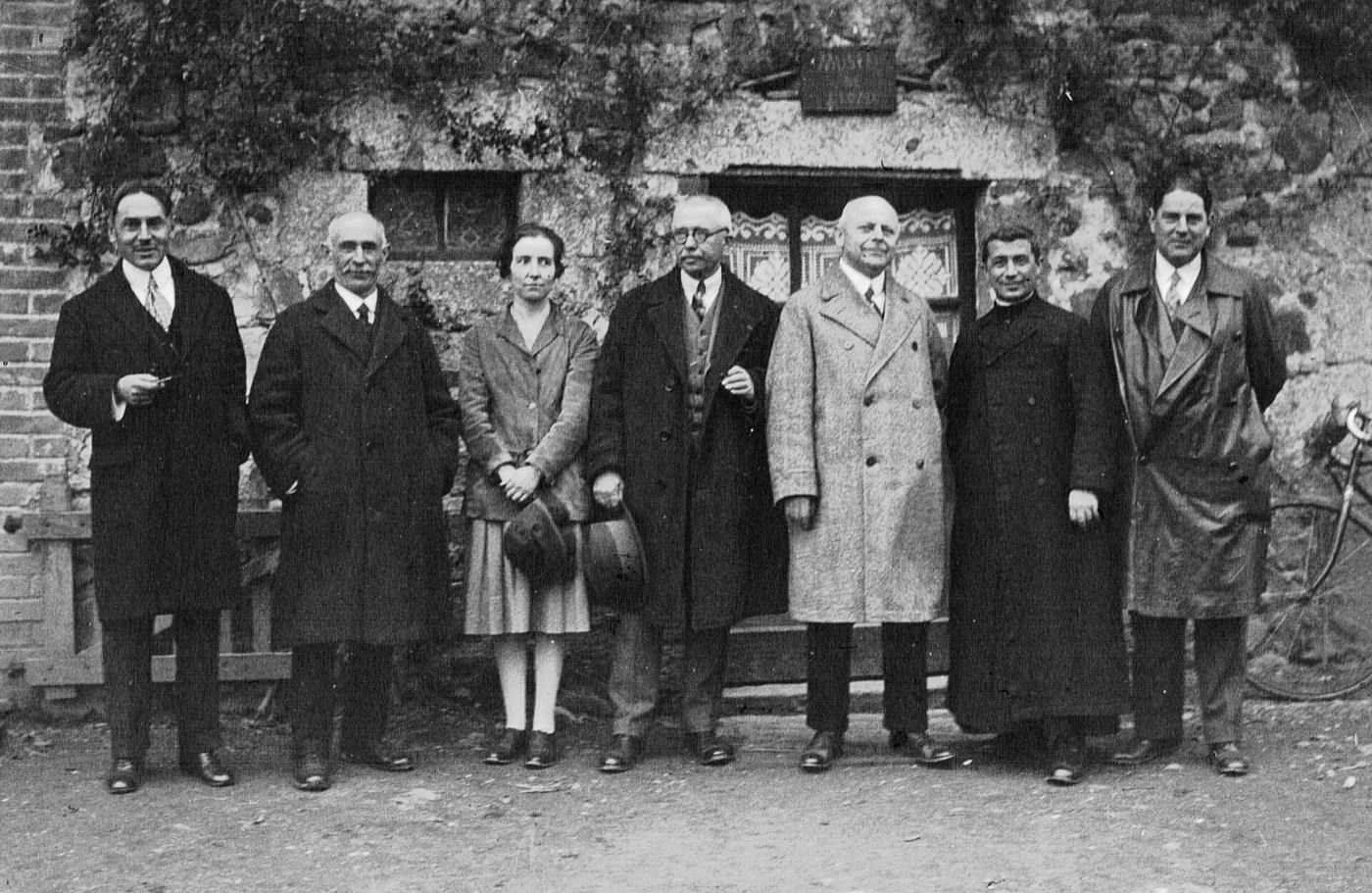
Glozel
A French field yielded 'Neolithic' tablets in an unknown script; critics soon called them forgeries.
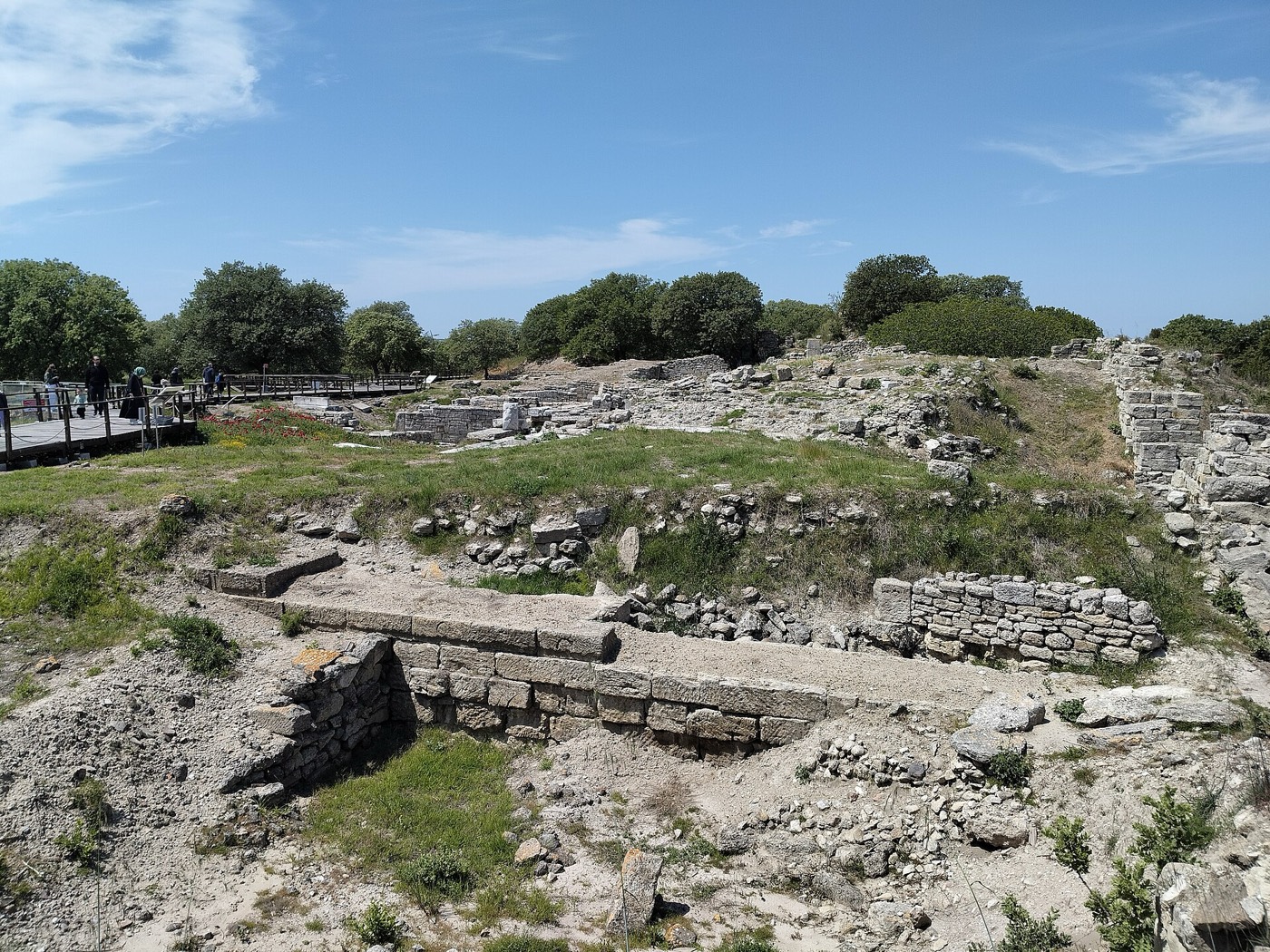
Troy / Hisarlık
A mound in Turkey confirmed as Troy; whether Homer's war really happened is still unsettled.
Tecaxic-Calixtlahuaca "Roman head"
A Roman-looking clay head from a Mexican burial dug in 1933; its date, context and origin are all disputed.
L'Anse aux Meadows
Overgrown ridges in Newfoundland were a Norse camp of c. AD 1000, the first authenticated in North America.
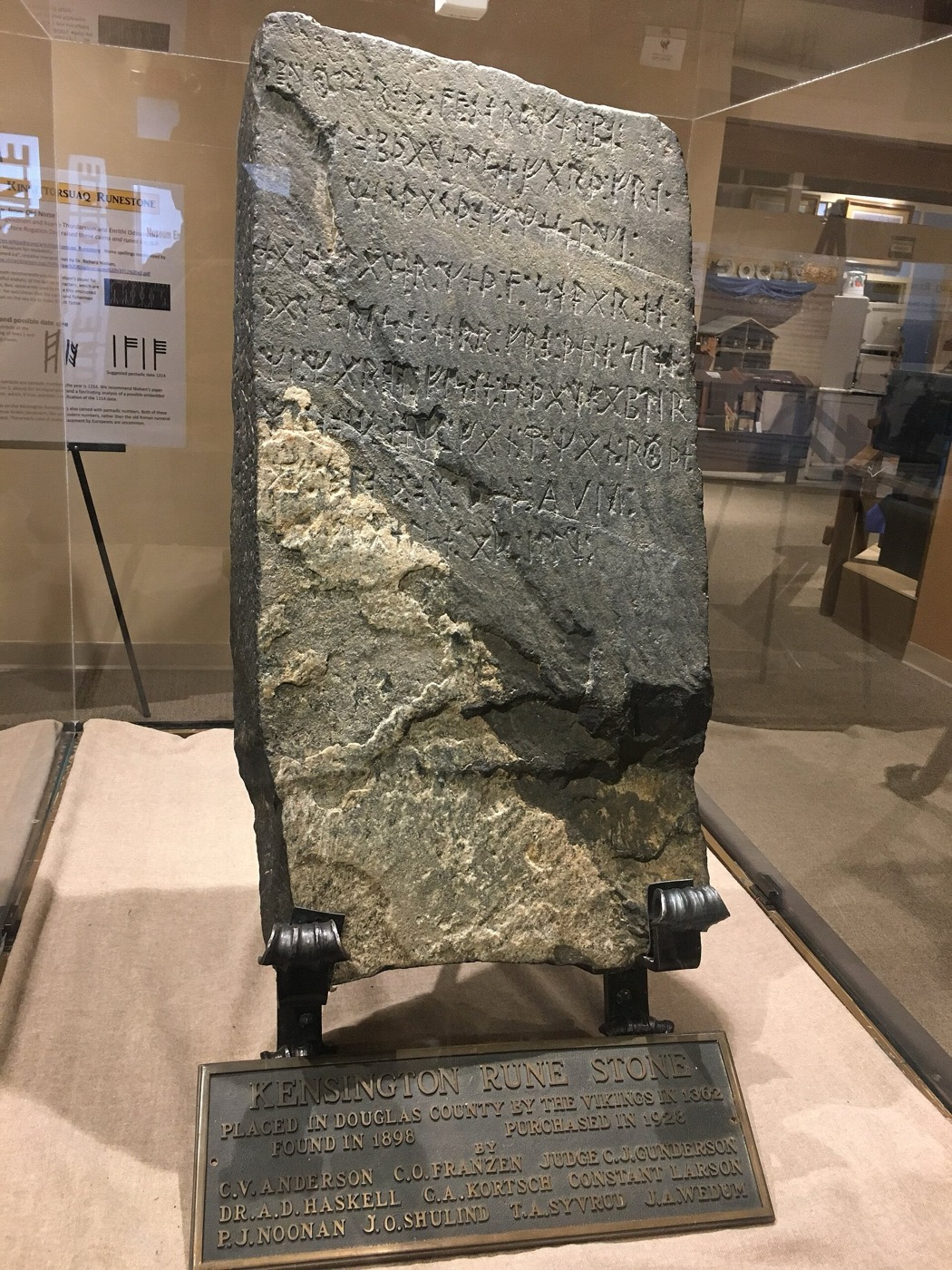
Kensington Runestone
A Minnesota farm find of 1898, runically dated 1362, that two professors judged not medieval in 1899.
Cardiff Giant
A carved gypsum figure buried on a New York farm in 1868, dug up in 1869 and shown as a petrified giant.
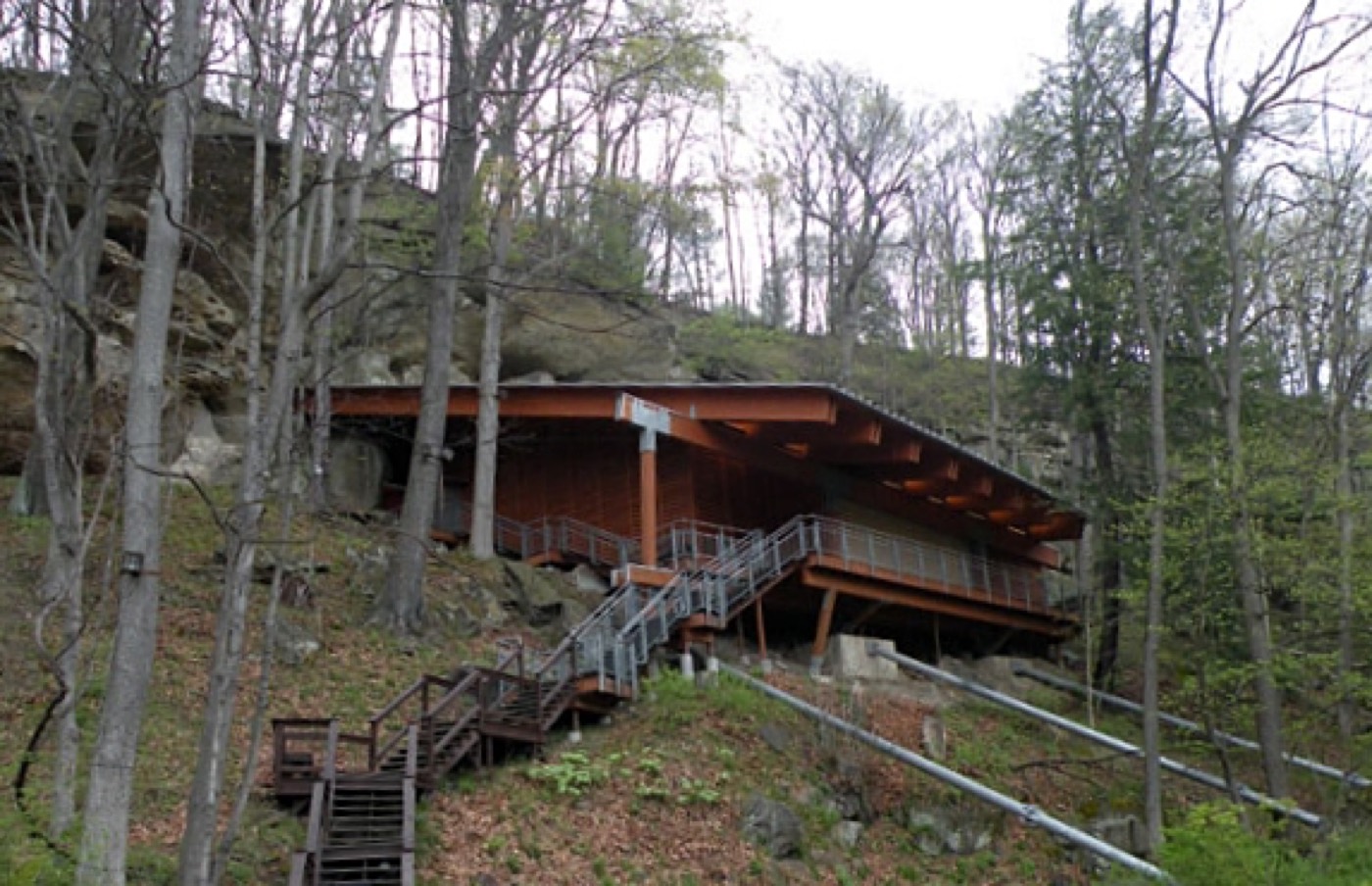
Meadowcroft Rockshelter
A Pennsylvania rockshelter with charcoal dates of up to 19,000 radiocarbon years, long before Clovis.
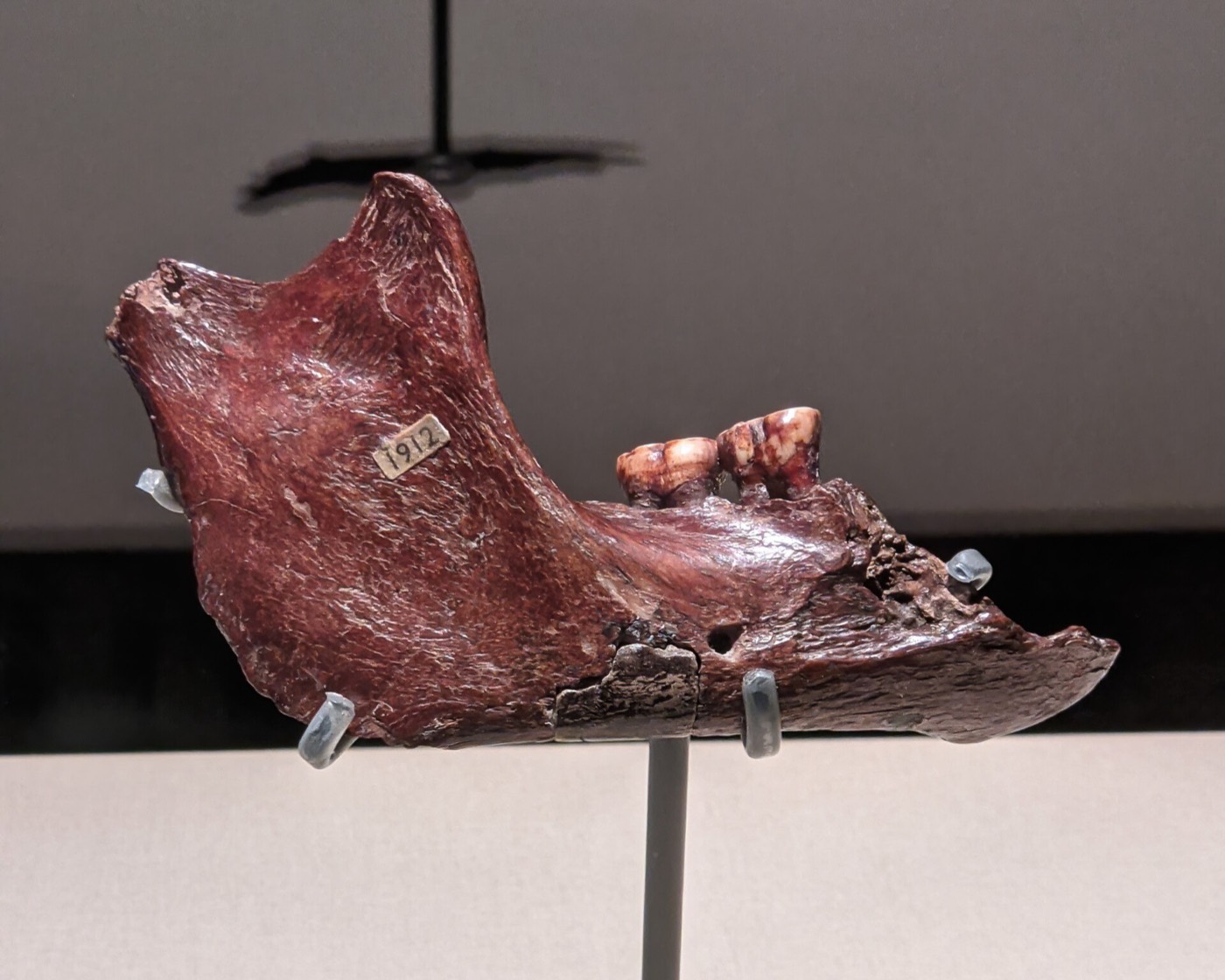
Piltdown Man
Skull pieces and an ape jaw from a Sussex gravel pit, hailed as an early human in 1912, shown forged in 1953.