Deep Memory/ Clues to a deeper past
← All comparisons
Sources partly checked · Birds & birdmen

Costume or transformation?

A bird-costumed mural figure beside the Rapanui birdman tradition.

2 groups · 5 registered records · reviewed 2026-09-19

Motif families: Birds & human forms

Epiclassic Cacaxtla

Mesoamerican bird costumes

A mural tradition at Cacaxtla.

Why these examples belong together

One painted example; costume is coded separately from a hybrid body.

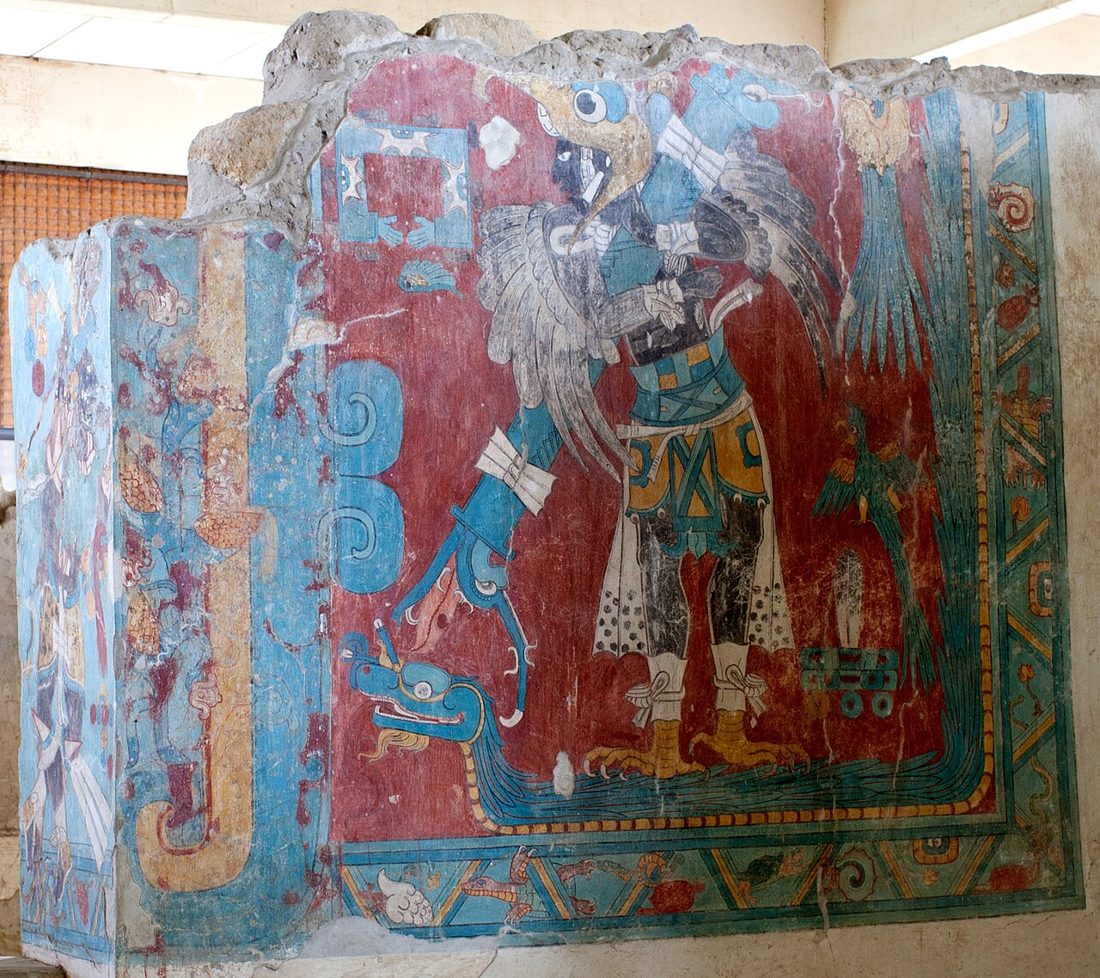
Cacaxtla’s bird-costumed human in a painted mural
surface · Cacaxtla

Cacaxtla bird-costumed figure

Painted human figure wearing bird elements. Costuming and anatomical hybridity should be separate features.

Dates, sources & image record
  • 650–900 CE · site contextsite context · Epiclassic context, not a direct pigment date. Date source

photograph · Tim Zaman. CC BY 3.0. Image record
Existing source image; displayed uncropped. No generated reconstruction.

Cacaxtla–Xochitécatl · The discovery of the Cacaxtla murals

Rapanui traditions

The Rapanui birdman repertoire

Statue, boulder, rock surface and painted house slab.

Why these examples belong together

Selected expressions of the tangata manu tradition. Shared local context is documented; identical dates and meanings are not assumed.

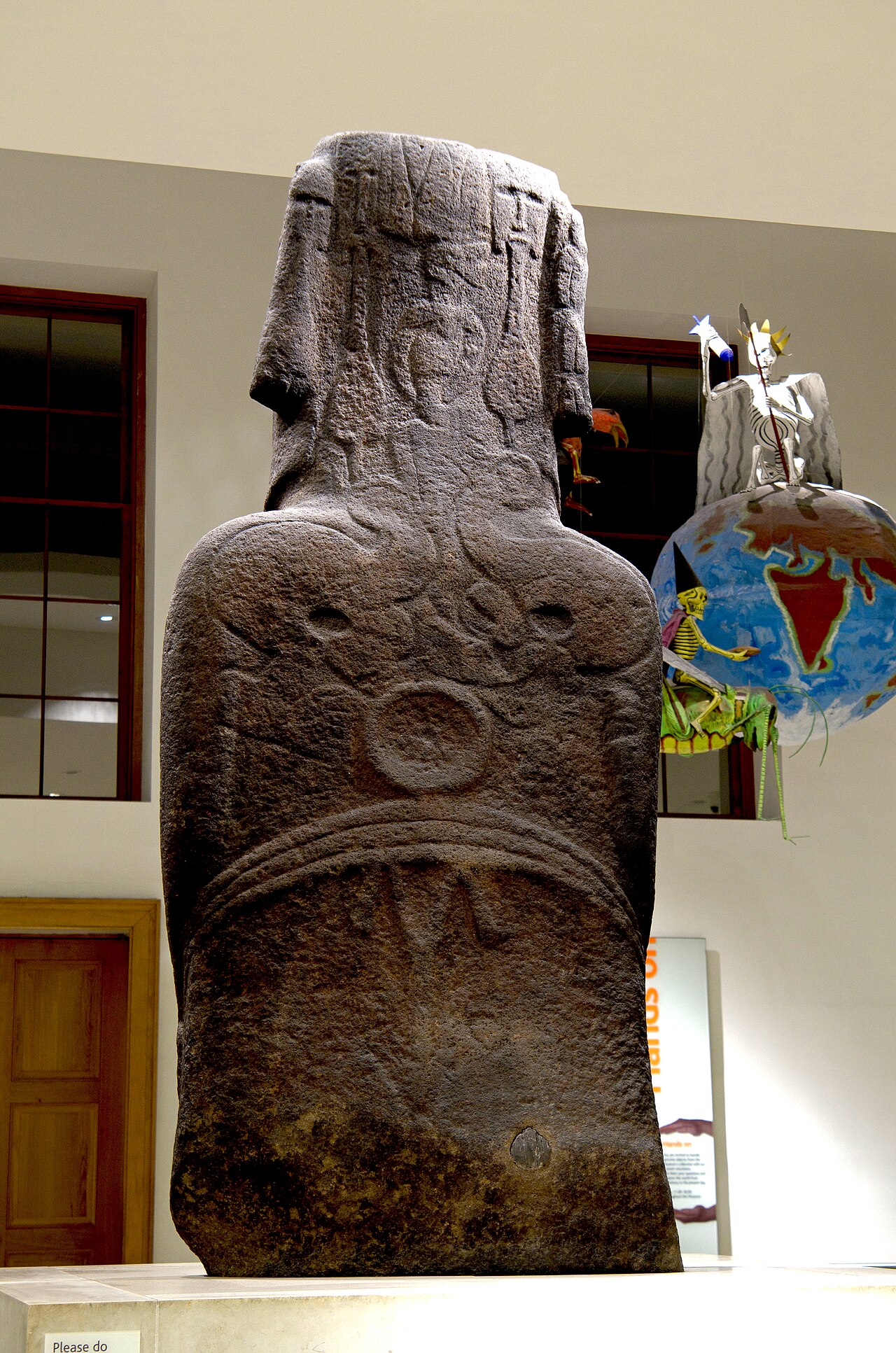
Birdman carvings on the back of Hoa Hakananai’a
surface · Orongo · Rapa Nui

Hoa Hakananai’a · back

The birdmen were added to an existing ancestral statue. Multiple carving episodes matter more than a single “age of the moai”.

Dates, sources & image record
  • Date unresolvedunresolved · Later birdman carving episode. Do not assign the museum’s original statue date to the back motifs.

photograph · James Miles. CC BY-SA 4.0. Image record
Existing source image; displayed uncropped. No generated reconstruction.

Hoa Hakananai’a: collection record · Moai: objects, histories and Rapanui perspectives · Hoa Hakananai’a: 3D and reflectance imaging

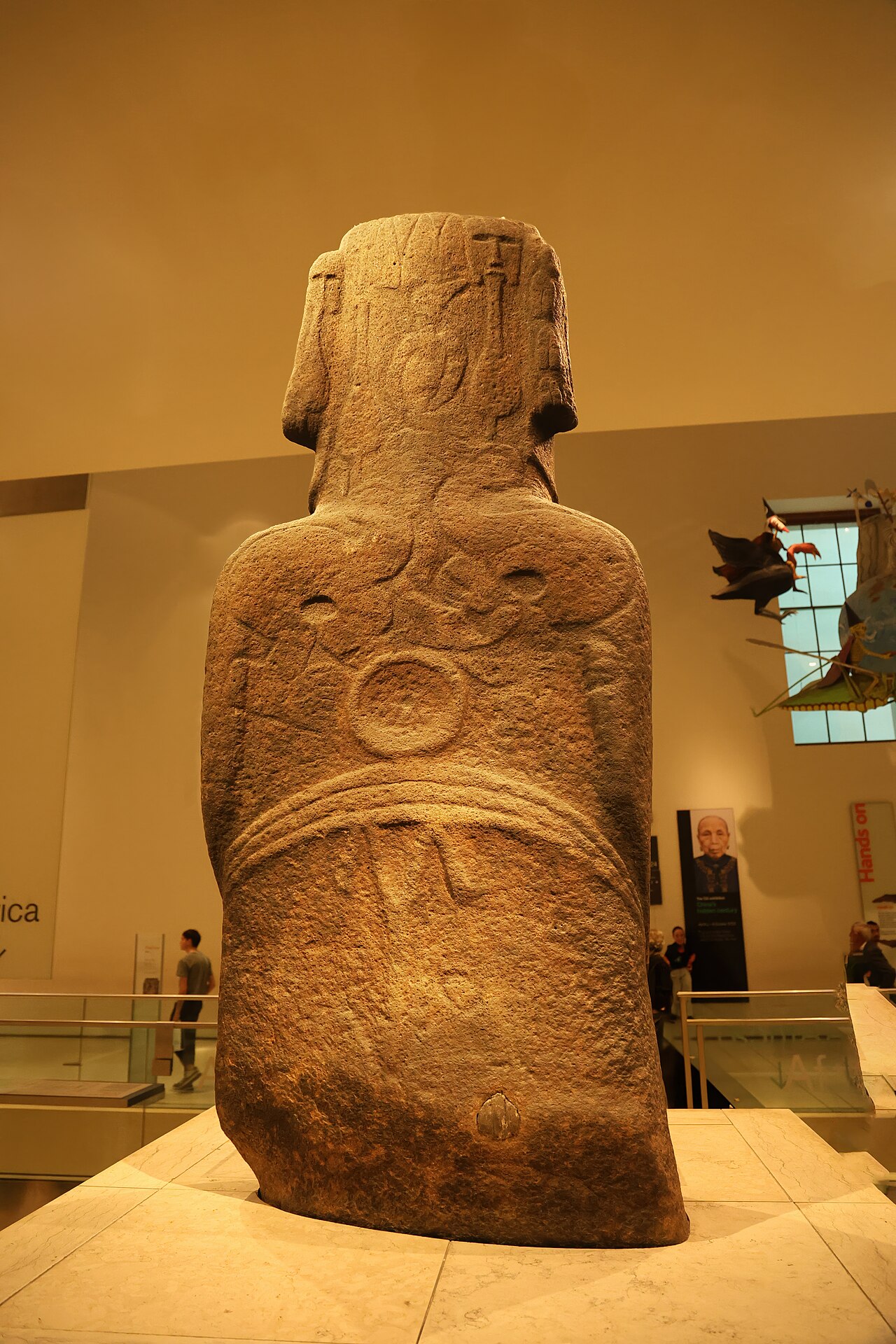
Another view of this example
The back of Hoa Hakananai’a photographed in different light
Sanjay ach · CC BY-SA 4.0 · Image record
None: copied or downloaded bytes unchanged
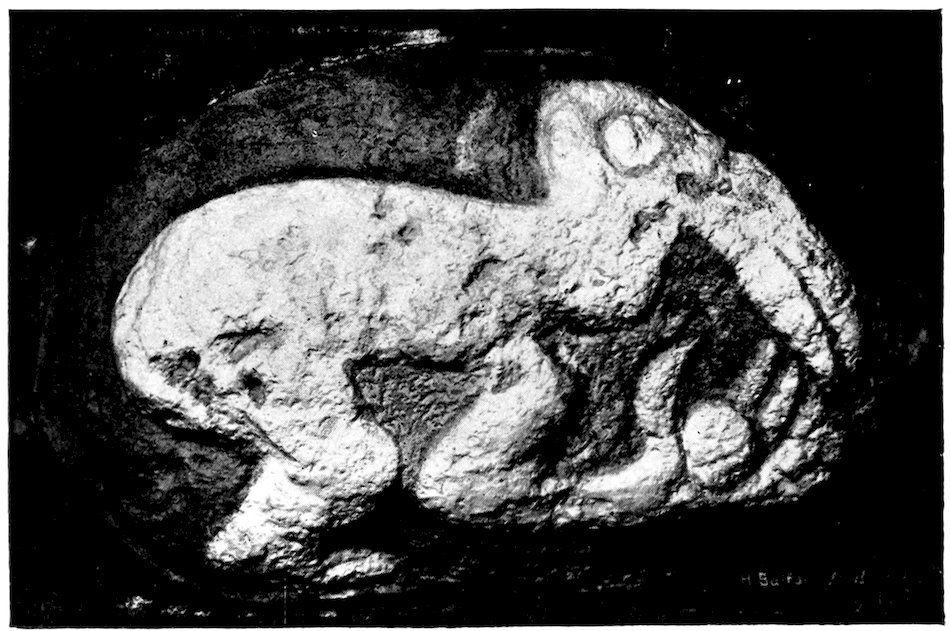
The Orongo birdman boulder, photograph published in 1919
object · Orongo · Rapa Nui

Orongo birdman boulder

Museum number Oc1920,0506.1. A rounded form is close to the bent hand; the source reads it as an egg.

Dates, sources & image record
  • c. 1750–1875 CEcatalogue estimate · Approximate museum date; not direct dating of the motif. Date source

historical photograph · Katherine Routledge / Mana Expedition. Public domain. Image record
Existing source image; displayed uncropped. No generated reconstruction.

Birdman boulder · Oc1920,0506.1 · The Mystery of Easter Island (1919)

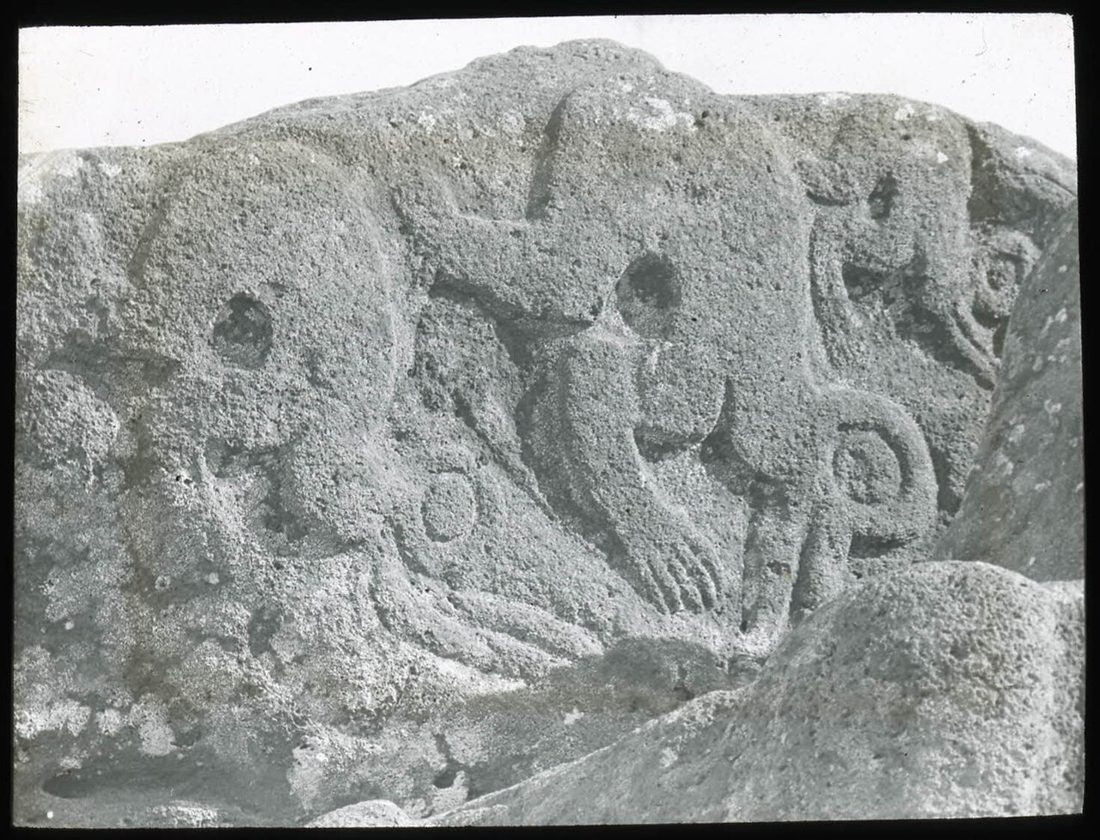
Three birdman figures at Mata Ngarau; historic photograph
surface · Orongo · Rapa Nui

Mata Ngarau birdmen

Three relief birdmen belong to an Orongo rock surface; another printed view is not a new independent object.

Dates, sources & image record
  • Date unresolvedunresolved · A photograph published in 1919 gives a latest possible existence date, not an origin date.

historical photograph · Photographer not identified; Mana Expedition / British Museum archive. Public domain. Image record
Existing source image; displayed uncropped. No generated reconstruction.

The Mystery of Easter Island (1919)

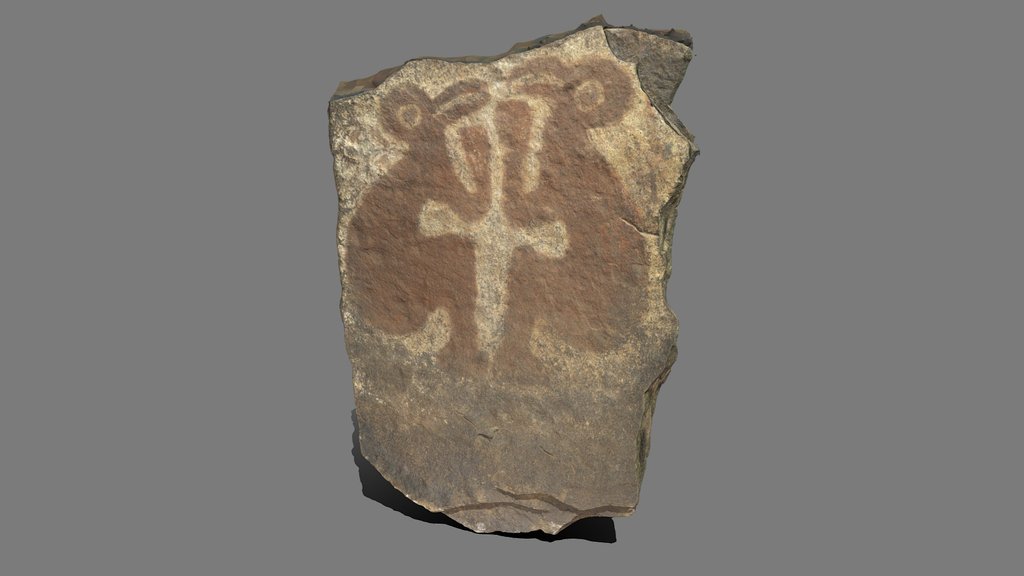
Textured 3D preview of an Orongo slab bearing two facing birdmen
object · Orongo · Rapa Nui

Orongo painted slab

MAPSE 17-00-1312. The displayed image is a textured 3D record of a surface.

Dates, sources & image record
  • Date unresolvedunresolved · The 1974 museum transfer and 2020 digital recording do not date the painting.

3D record · Factum Foundation / Museo Rapa Nui. No open licence stated; small preview reproduced for critical comparison. Image record
Unchanged publisher preview; a recorded surface, not an AI reconstruction.
Painted slabs from Orongo · MAPSE 17-00-1312

The proposed connection

What makes it a question?

The resemblance attracts attention across Mesoamerica and the Pacific, but a bird costume and a hybrid being may encode different ideas.

Retained from the project’s broad birdman comparison; exact external proposal history is not yet traced.
The project’s illustrated comparison archive

Look closely

What appears to correspond

  • Human and avian features are combined in both selected repertoires.
Keep in the frame

What differs or remains uncertain

  • Cacaxtla retains a human face within a costume.
  • Medium, posture, accessories and surrounding scenes differ.
Transmission check

No route established in this review

No transmission sequence for this specific comparison has been established in the sources reviewed. That is not proof that contact was impossible.

What would move this forward

  • Record full mural context and each Rapanui variant.
  • Keep regional Mesoamerican transmission as a separate control.
Follow the evidence

Sources & scope

Provisional editorial record; no independent specialist sign-off. Status describes review depth, not the probability of a historical connection.

  1. project · Deep Memory

    The project’s illustrated comparison archive

    Records comparisons assembled from this repository and supplied material. An external first proposer has not been traced for every pair.

  2. heritage · INAH

    Cacaxtla–Xochitécatl

    Epiclassic context, 650–900 CE, with documented regional exchange.

  3. excavation · INAH

    The discovery of the Cacaxtla murals

    Institutional account featuring the eagle-man mural; helps distinguish a costumed human from an anatomical bird-human hybrid.

  4. museum · British Museum / Google Arts & Culture

    Birdman boulder · Oc1920,0506.1

    Orongo provenance, birdman with rounded object, and an approximate 1750–1875 catalogue date.

  5. museum · British Museum

    Hoa Hakananai’a: collection record

    Identifies the statue and back carvings; construction and later carving episodes must be separated.

  6. museum · British Museum

    Moai: objects, histories and Rapanui perspectives

    Museum account gives an early traditional statue date and a later birdman tradition. Its settlement chronology differs from recent research.

  7. research · University of Southampton

    Hoa Hakananai’a: 3D and reflectance imaging

    Project page for surface-recording work. The older interactive viewer returned 403 during this review; its underlying data were not examined.

  8. primary-text · Katherine Routledge

    The Mystery of Easter Island (1919)

    Figures 110 and 112 preserve photographs of the Orongo rock and birdman boulder. Publication dates are not carving dates.

  9. museum · Museo Antropológico Padre Sebastián Englert

    Painted slabs from Orongo · MAPSE 17-00-1312

    Two facing tangata manu on a house slab; the 1974 move to the museum does not date the painting.