← All comparisons
Research lead · Sacred centres
Stones at the centre of the world
Delphi and Rapa Nui: a visual comparison intertwined with language.
2 groups · 2 registered records · reviewed 2026-09-19
Motif families: Centres of the world
Greek Delphi
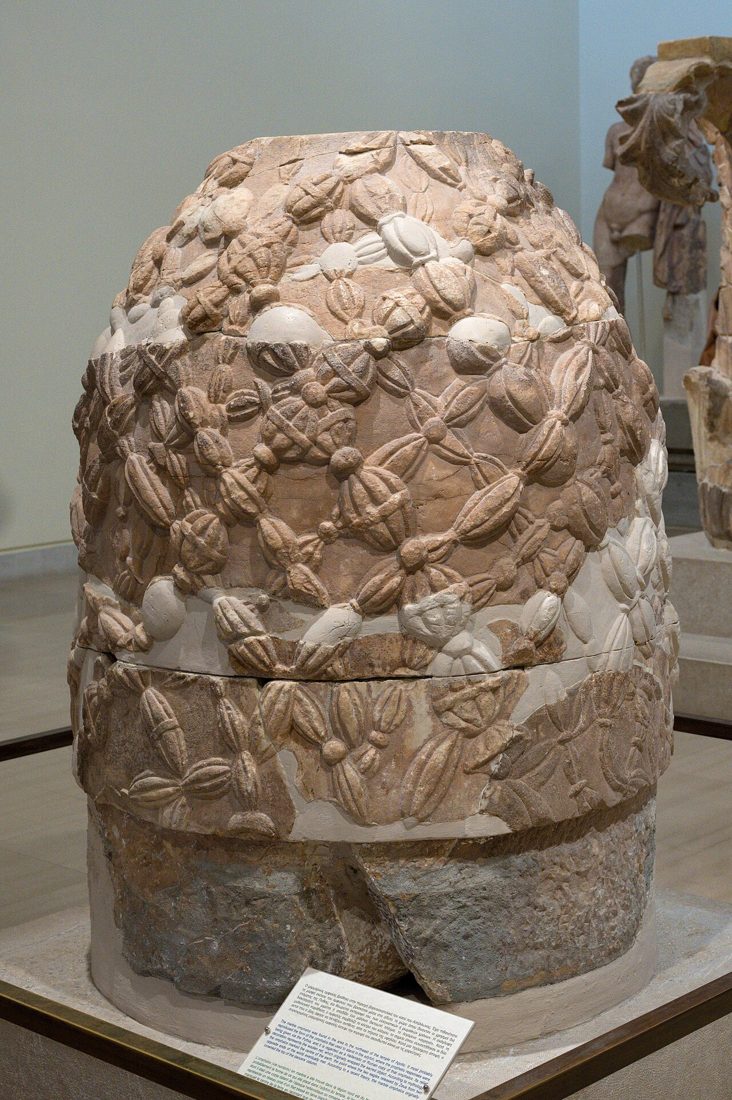
Delphi sacred centre
A museum omphalos and its sacred-centre interpretation.
Why these examples belong together
Object identity and the history of the term require separate checks.
object · DelphiDelphi omphalos
A sacred-centre comparison involving both an object and a name. The picture alone cannot establish an ancient shared concept.
Dates, sources & image record
- Date unresolvedunresolved · The photographed museum object needs an exact accession record and date; a tradition’s age is not the age of this example.
photograph · Zde. CC BY-SA 4.0. Image record
Existing source image; displayed uncropped. No generated reconstruction.
The project’s illustrated comparison archive
Rapanui traditions
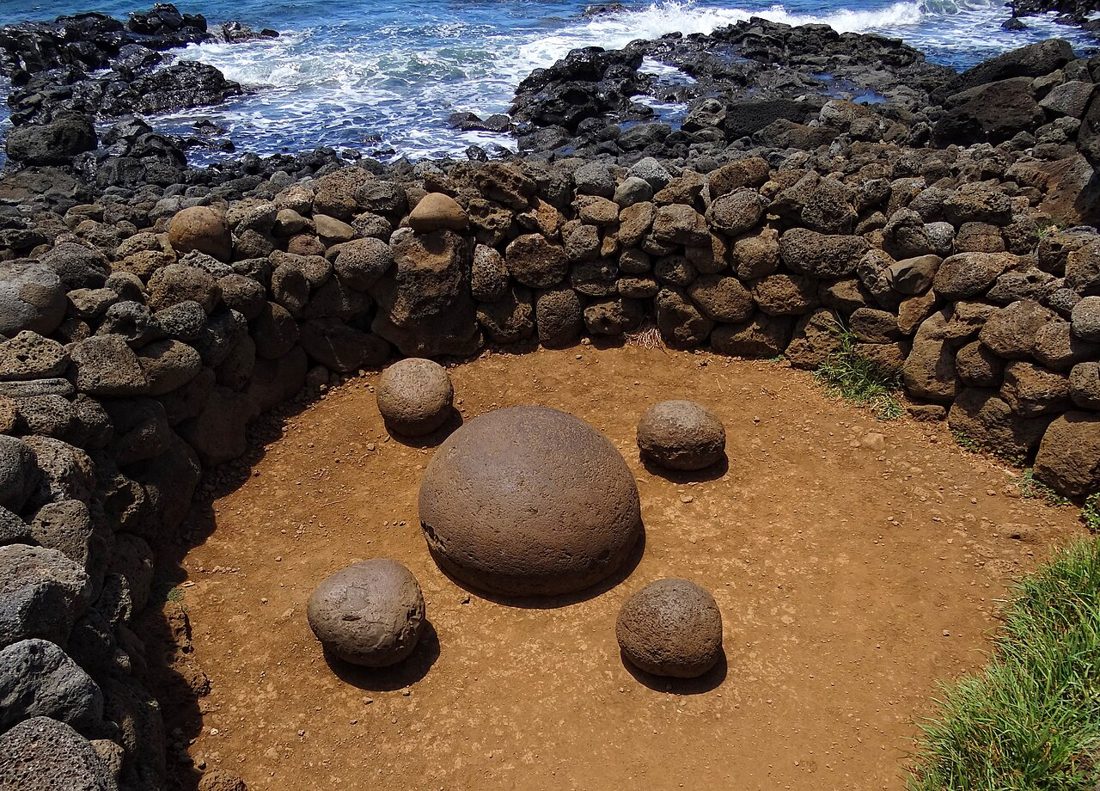
Rapanui sacred centre
The Te Pito Kura stone and associated name.
Why these examples belong together
Do not equate an island name with an ancient date for this particular stone.
object · Te Pito Kura · Rapa NuiTe Pito Kura stone
The island name and this particular rounded stone must not be treated as the same historical evidence.
Dates, sources & image record
- Date unresolvedunresolved · No date established for this stone’s shaping, placement or association with the modern label.
photograph · Bjørn Christian Tørrissen. CC BY-SA 3.0. Image record
Existing source image; displayed uncropped. No generated reconstruction.
The project’s illustrated comparison archive · Moai: objects, histories and Rapanui perspectives
The proposed connection
What makes it a question?
A rounded sacred stone and the metaphor of a world’s navel could suggest a shared concept, if both associations can be established historically.
This pairing is preserved in the project archive. Newman’s article provides a broader proposed “world navels” comparison, not the object-level proof.
The project’s illustrated comparison archive
Look closely
What appears to correspond
- Modern presentations associate both places with a navel or sacred centre.
Keep in the frame
What differs or remains uncertain
- The Delphi object is shaped and decorated; the Rapanui stone’s modification and placement history need checking.
- An island name does not date the modern identification of a particular stone.
Transmission check
Transmission not yet assessed
The comparison is not yet identified or dated well enough to exclude ordinary transmission, later borrowing or an image-selection effect.
What would move this forward
- Find early Rapanui-language and collection witnesses.
- Separate object history, place-name etymology and modern visitor interpretation.
Follow the evidence
Sources & scope
Provisional editorial record; no independent specialist sign-off. Status describes review depth, not the probability of a historical connection.
- project · Deep Memory
Records comparisons assembled from this repository and supplied material. An external first proposer has not been traced for every pair.
- claim · Hugh Newman; hosted by Graham Hancock
Guest article, 29 March 2014. Specific comparisons include hands toward the abdomen, sacred centres and distant statuary.
- museum · British Museum
Museum account gives an early traditional statue date and a later birdman tradition. Its settlement chronology differs from recent research.